


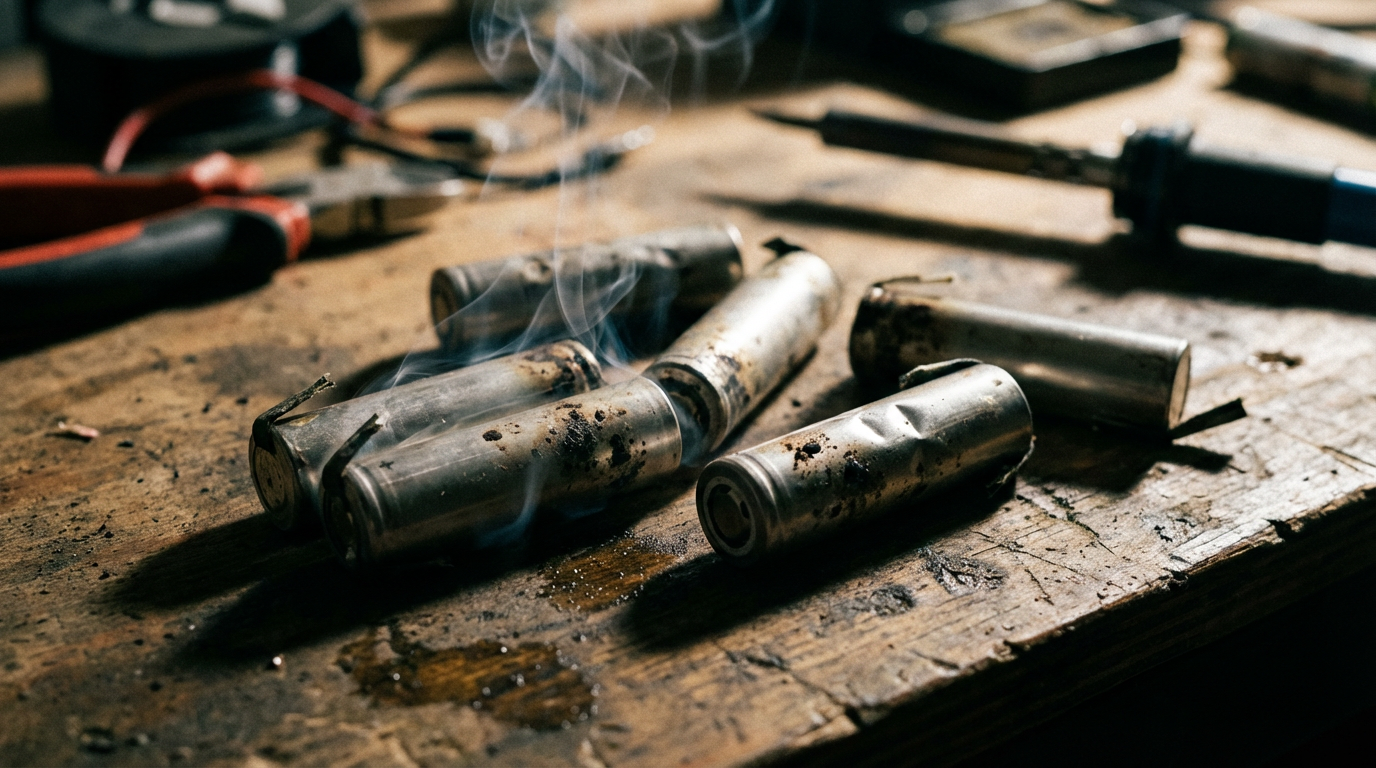
The Risks of Used Markets: Why You Should Avoid Buying "Salvaged Cells"
Salvaged cells from used markets create a serious fire hazard and money pit. Get details on the hidden electrical risks in reconditioned packs and what safer battery choices exist.
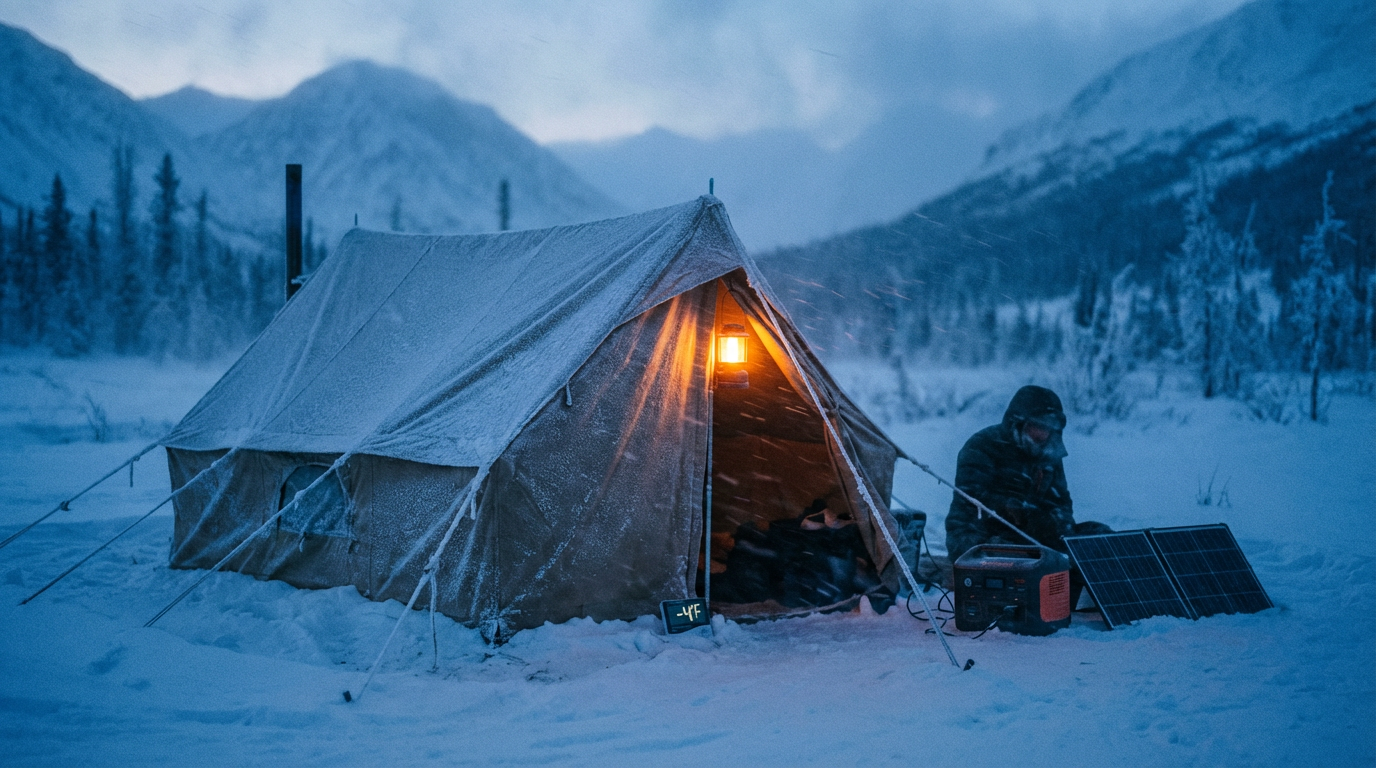
Camping at -4°F: Are Self-Heating LiFePO4 Batteries a Gimmick or a Lifesaver?
Self-heating LiFePO4 batteries can be a lifesaver for winter camping at -4°F, letting you charge in the cold. See when they are essential and when they are overkill.
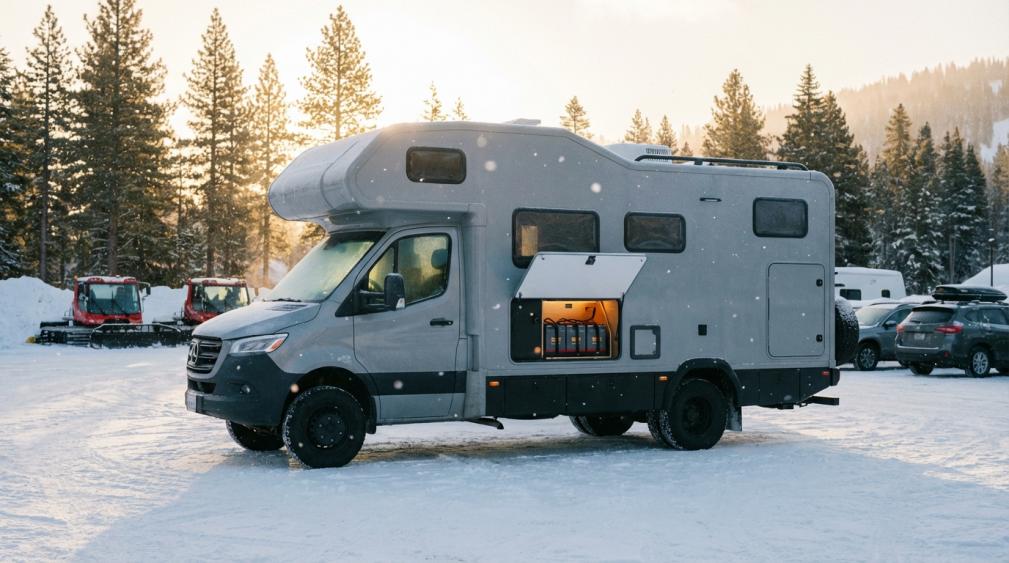
Cold Warning: Do Your Lithium Batteries Need Heaters If You're Spending Christmas at a Ski Resort?
Lithium battery heaters are essential for charging below 32°F. Get clear steps to decide if your RV or cabin needs them, or if smart placement and habits are enough.
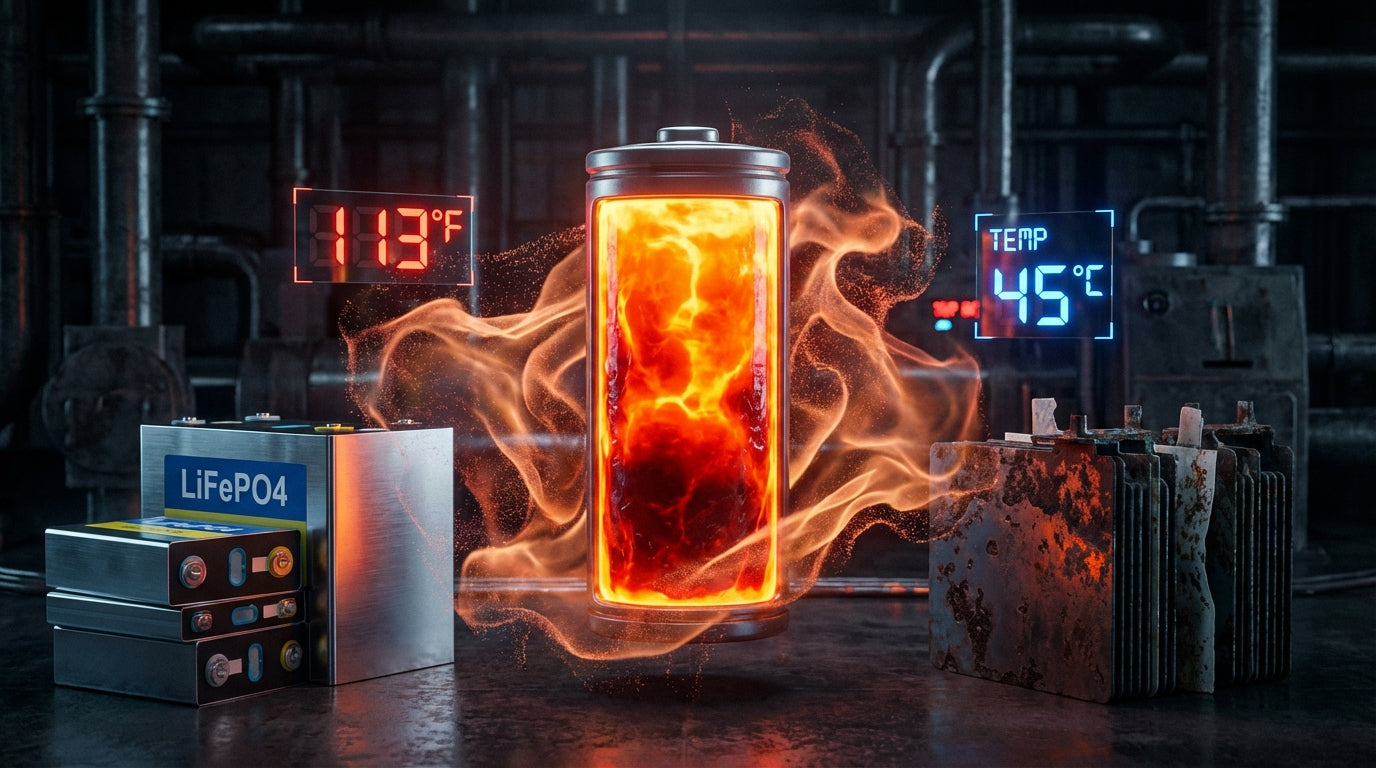
Performance in Extreme Heat: Is LiFePO4 Safer Than Lead-Acid Around 113°F?
LiFePO4 vs lead-acid performance in extreme 113°F heat. LiFePO4 chemistry is more thermally stable, but both battery types require careful management to ensure safety and lifespan.
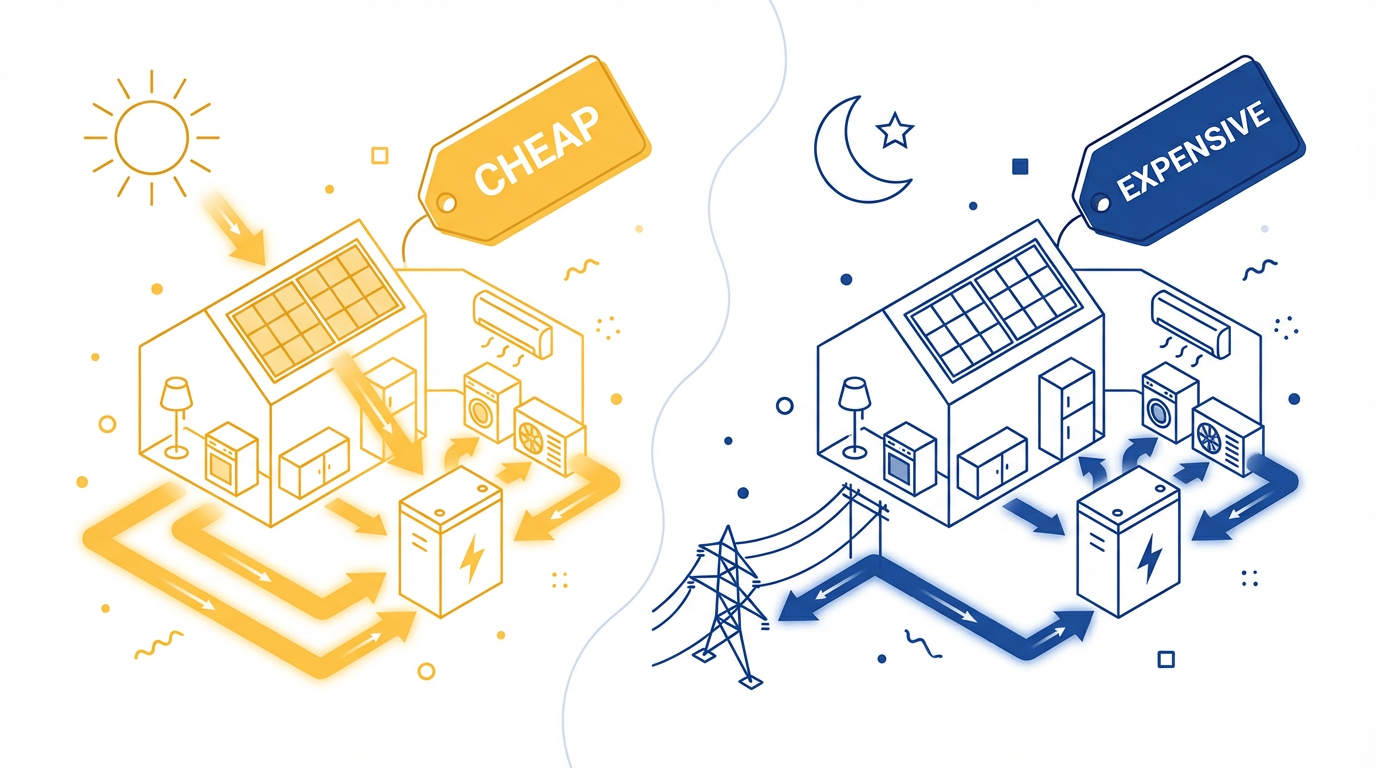
Time-of-Use Arbitrage: How to Save $500 per Year Using a Home Battery
Time-of-use arbitrage with a home battery can save you $500 a year on electricity. This guide explains how to store cheap off-peak power and use it during peak hours.
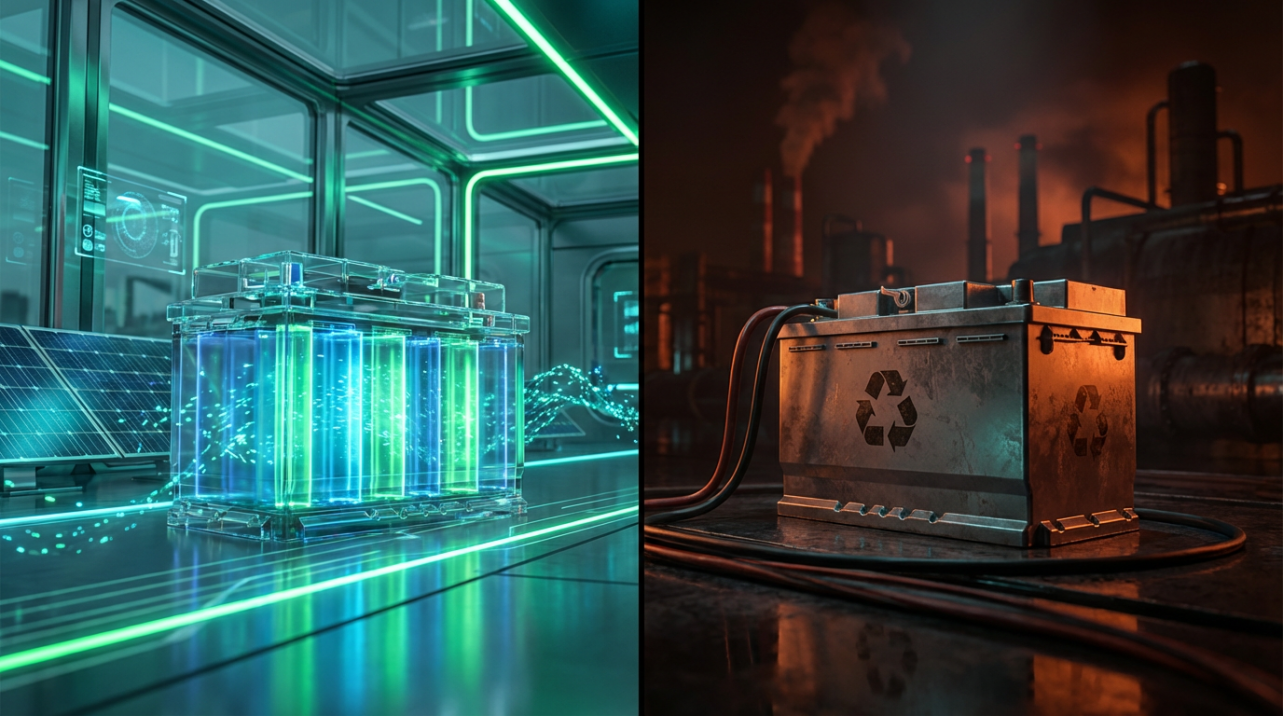
The Environmental Truth: Is Manufacturing Lithium Really Dirtier Than Lead-Acid?
Lithium manufacturing has a higher initial carbon footprint than lead-acid, but its longer lifespan and deeper cycling provide a lower total environmental impact over time.