


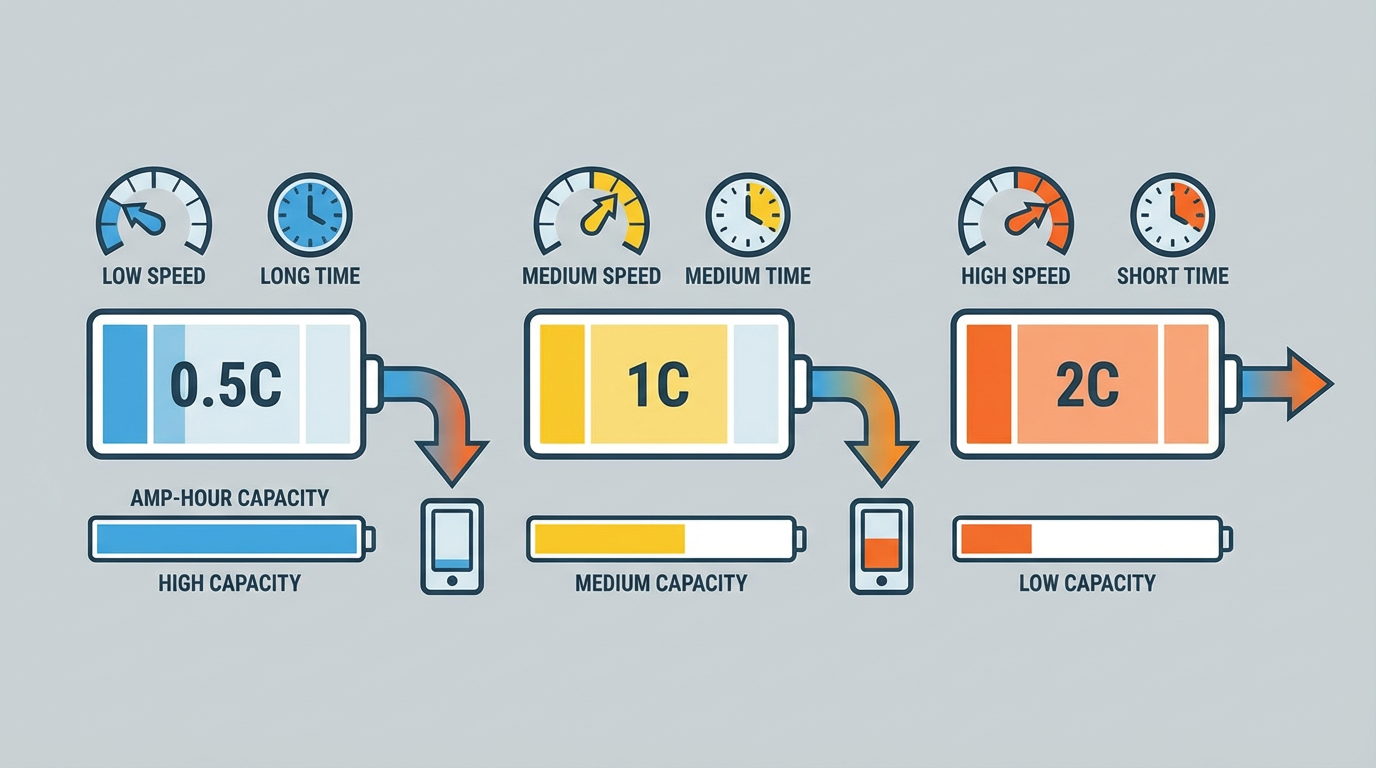
What Do 1C, 2C, and 0.5C Mean? Ignore This and You Might Buy the Wrong Battery
A battery's C-rate (1C, 2C, 0.5C) dictates its safe charge and discharge speed. Understanding this crucial spec helps you select the right battery for your system to avoid poor performance and earl...
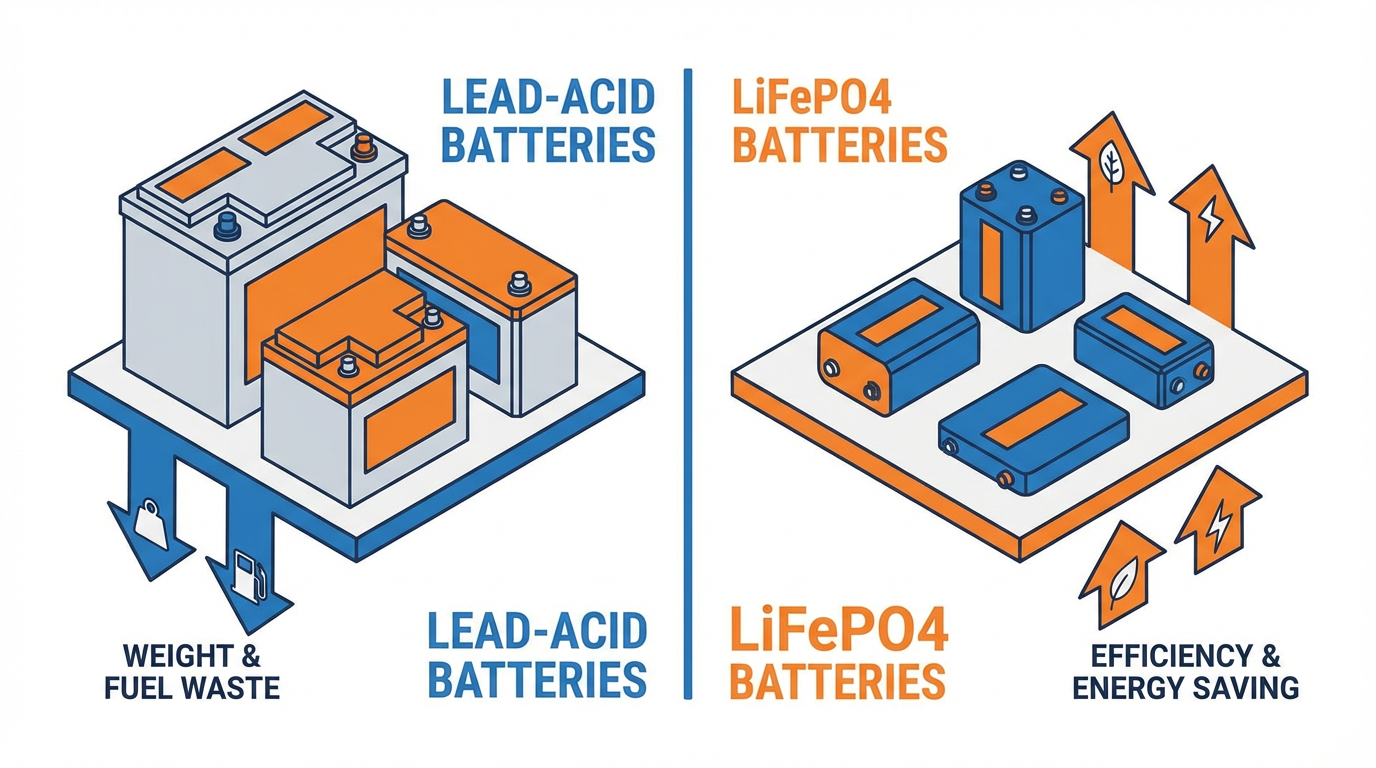
Lead-Acid vs. LiFePO4: How Much Extra Fuel Is Your Heavy Battery Costing You?
A LiFePO4 vs lead-acid battery choice directly impacts your fuel budget. Heavy lead-acid packs burn extra fuel due to weight and poor efficiency. A lighter LiFePO4 battery provides more usable powe...

Salt Spray Corrosion: How Coastal Residents Prevent Battery Terminals from Rusting in a Year
Battery terminal corrosion from salt spray can ruin coastal systems. This guide provides a simple routine to diagnose, clean, and protect connections for year-round reliability.
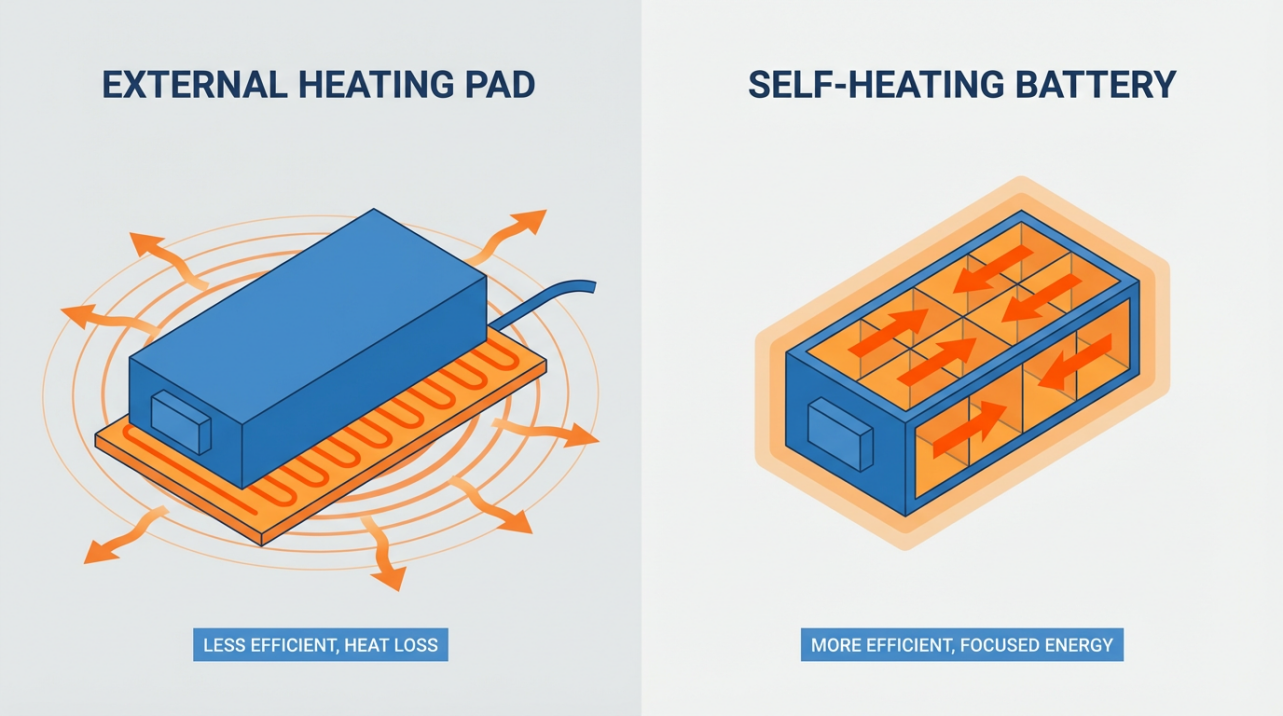
External Heating Pads vs. Self-Heating Batteries: Which Solution Wastes Less Power?
Self-heating batteries offer a more power-efficient solution for cold climates. By warming cells directly, they use less energy than external heating pads, which can waste power.

4th of July Parades: The Best Mobile Power Solution for Decorating Floats
Powering your 4th of July parade float is easy with a quiet battery solution. Get tips on sizing a system for your LED lights and creating a safe, show-stopping design.
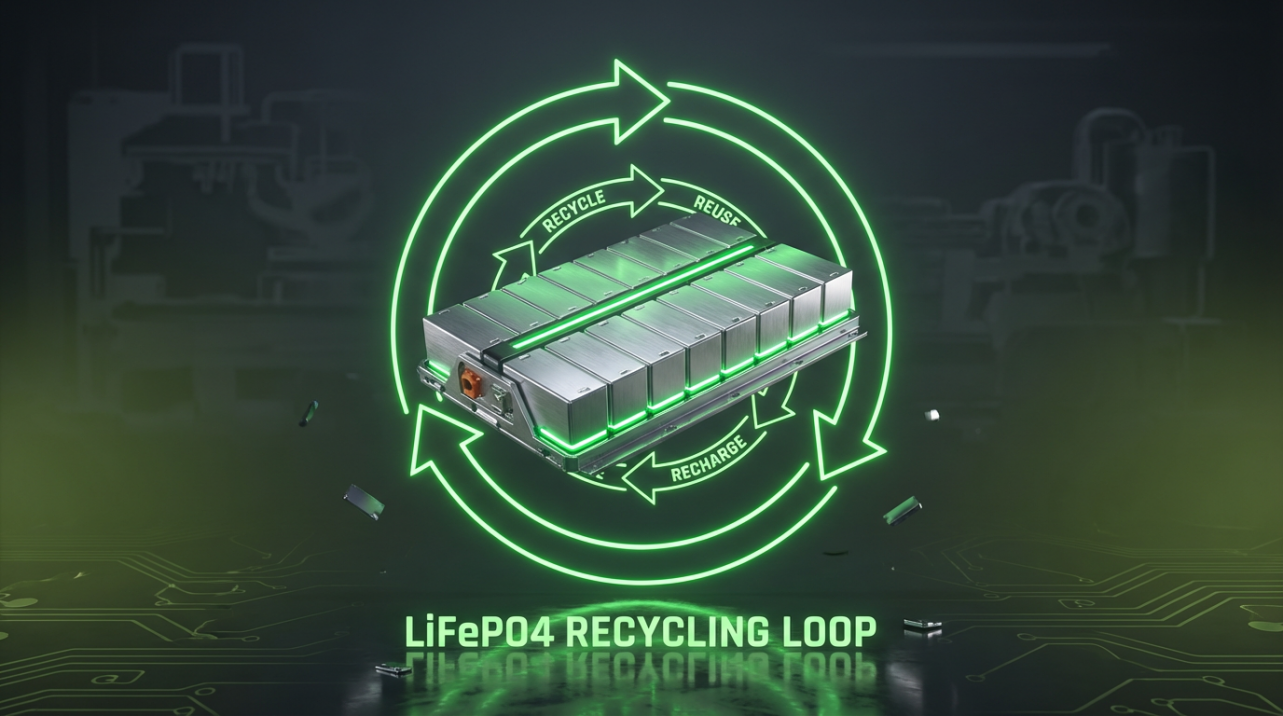
The Recycling Dilemma: Where Do You Throw a LiFePO4 Battery When It Dies?
LiFePO4 battery recycling is the only safe option for a dead battery. It's a fire hazard, not trash. Get clear steps on where to take it and how to prepare it safely.