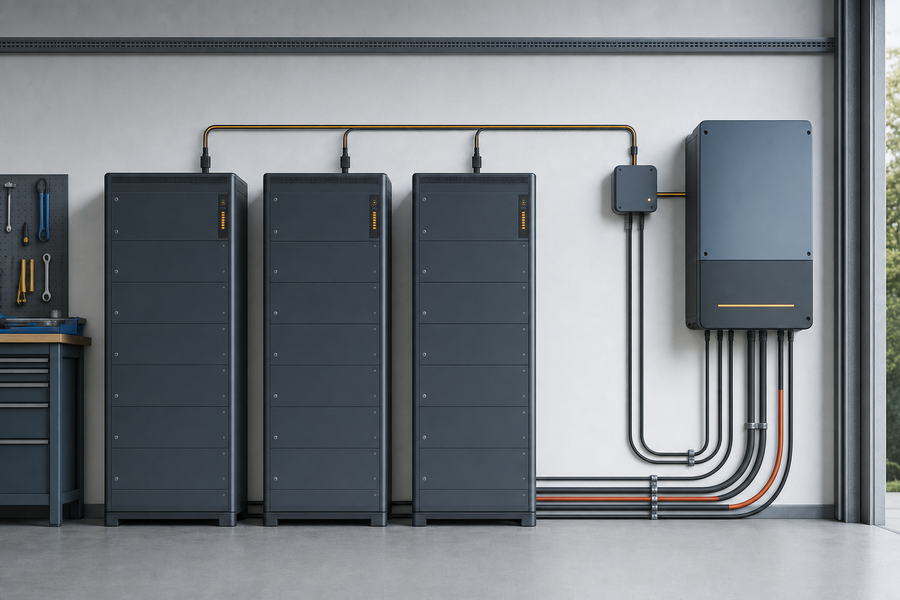

Recycling only cuts emissions when it is done cleanly; sloppy systems quietly turn it into another source of pollution and wasted energy.
Nothing in the waste world is truly zero emissions, not even recycling. When recycling is done badly or not at all, we trade a powerful climate solution for a slow leak of toxins, methane, and squandered resources that undercuts every solar array and battery upgrade we install.
Why "Zero-Emission" Recycling Doesn't Exist
Every recycling system uses energy: trucks run on fuel, sorting lines use electricity, and furnaces remelt metals and glass. The win is not that recycling is emission free; it is that it performs far better than the alternatives.
When waste is dumped or landfilled instead of properly recycled, organic material decomposes without oxygen and releases methane, a greenhouse gas far more potent than carbon dioxide over the short term. Analyses of how trash impacts the environment now quantify those climate impacts in disturbing detail. For communities relying on solar-plus-storage or off-grid systems, that extra methane is like leaving a gas generator idling 24/7 in the background.
Recycling metals, paper, and plastics typically takes a fraction of the energy required for virgin production. Even with processing emissions, lifecycle carbon drops sharply when materials are captured instead of buried, as summarized in work on the benefits of recycling.
How Improper Recycling Pollutes Land, Water, and Air
Improper recycling is more than tossing the wrong item into the blue bin. It includes mixed, contaminated loads that get rejected and landfilled, unsafe informal processing, and outright dumping of material that was collected as "recyclable."
When recyclables and hazardous junk are abandoned or mishandled, heavy metals, solvents, and microplastics can seep into soil and groundwater, degrading farmland and construction sites and turning streams into slow-moving chemical delivery systems, as documented in industrial case studies on improper waste disposal. Burned stockpiles of packaging and plastics release dioxins and other toxic gases that blow straight into nearby neighborhoods.
Even engineered landfills eventually leak. Reviews of waste landfilling and open dumping show how poorly controlled sites can contaminate groundwater with persistent metals like lead and mercury while venting methane and other landfill gases into the air. Every rejected load of recyclables sent to these facilities adds to that burden.

Hidden Health and Climate Costs in the Blue Bin
From a health perspective, bad recycling is nearly indistinguishable from bad dumping. Communities near landfills and mismanaged waste sites suffer higher rates of respiratory disease, heart problems, and adverse birth outcomes because of landfill gas and leachate carrying chemicals like PFAS, "forever chemicals" that do not break down and can move from trash into water and food chains, as described in work on how waste impacts our health.
Globally, millions of tons of plastic escape into rivers and oceans each year when collection and sorting systems fail. Wildlife ingest or become entangled in plastic, and microplastics move up the food web and into our own bodies, issues highlighted in recent syntheses of how trash impacts the environment. For anyone serious about decarbonization, that is a double loss: we burn energy to make the plastic, then we pay again in health costs and damaged ecosystems.

Exact emission savings from recycling differ by material and region, but across credible studies, clean recycling consistently outperforms landfilling and open dumping.
Making Recycling Actually Low-Emission
From an off-grid, power-optimization mindset, the goal is not fantasy zero emissions but ruthless efficiency: maximum resource recovery for every kilowatt-hour we spend on waste.
Practical steps that move the needle:
- Keep contamination low by rinsing containers and following local rules so loads are recycled instead of rejected.
- Pull out batteries, electronics, and other hazardous items and send them to dedicated drop-offs; these materials cause fires and toxic leaks when they enter general recycling or trash.
- Prioritize high-leverage streams: metals, paper, and some plastics can deliver major energy and emissions savings when recycled, as shown in lifecycle analyses of recycling and climate protection.
- Support collection systems and services that demonstrate actual material recovery rather than simply "recycling" by label.
Done right, recycling is not zero emission, but it is one of the fastest ways to shrink the footprint of everything else we build, from a single home battery wall to a community-scale microgrid. When we stop treating the blue bin as magic and start treating it as an engineered system, we turn waste from a hidden liability into a reliable part of the clean-energy upgrade.