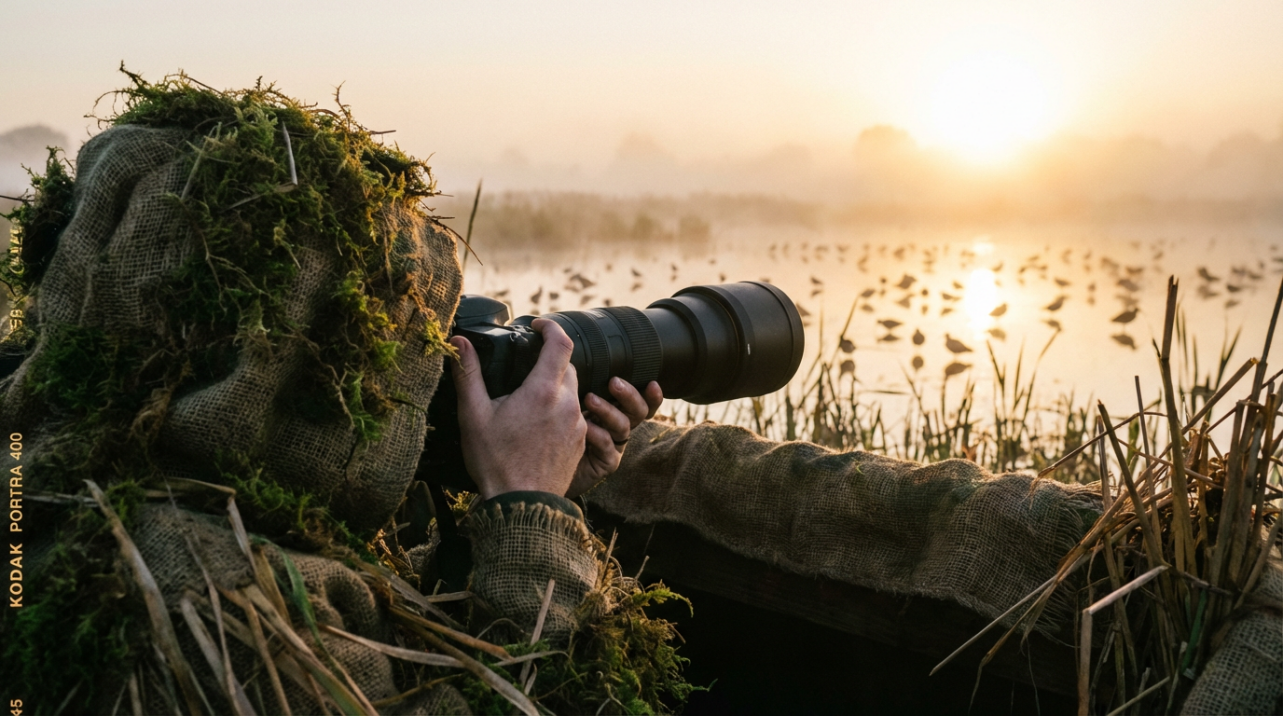

Hours in a marsh during peak migration are brutal on batteries and unforgiving of noisy gear. With a silent, off-grid power setup, you can keep cameras, heaters, and communications running all day without spooking birds or missing the best light.
Migration Wetlands: High-Stakes, Low-Noise Environments
When migrating birds drop into a wetland, they are running on razor-thin energy margins, and research shows migration timing is already shifting with climate change. That means your “sure thing” window is less predictable, and you may be waiting longer than the field guide promised.
Wetlands also condense life into a tight footprint; wetlands host dense bird communities in spring that explode with feeding, courtship, and territorial disputes. To work that behavior without altering it, your power system has to be as quiet as your blind—no generators, minimal fan noise, zero light spill.
Think of the site as an energy budget triangle: birds stock up for thousands of miles of flight, you stock up enough watt-hours for a tide cycle or roost, and neither side can afford waste.

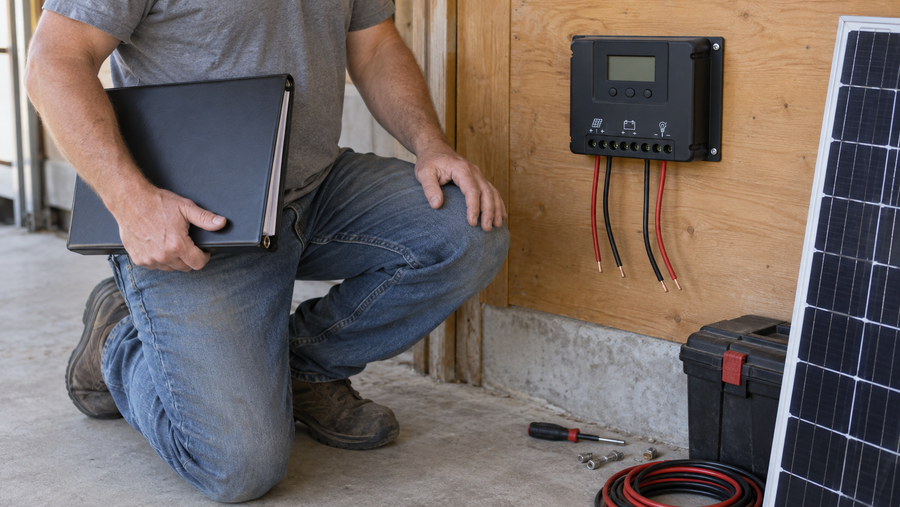
Building a Silent Off-Grid Power Core
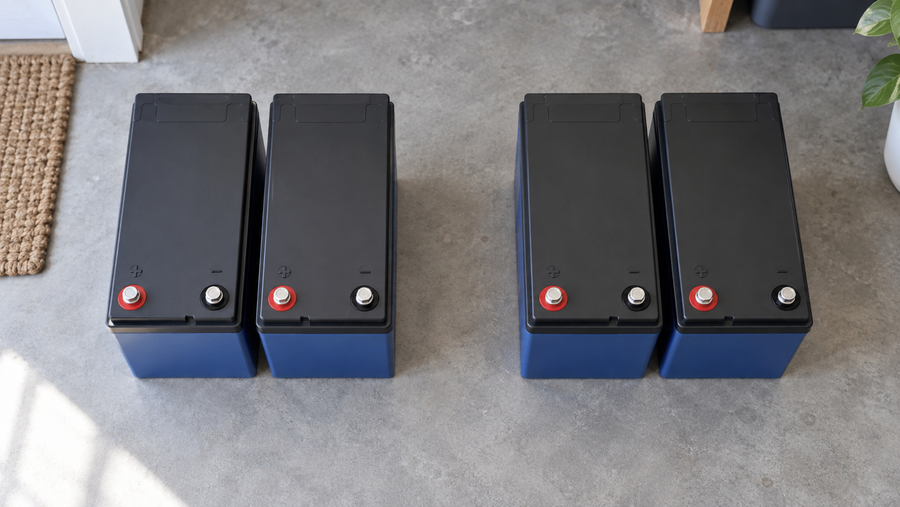
In a migration blind, the typical electrical load is modest but nonstop: camera batteries, a phone, maybe a small router or GPS, and a laptop for sorting files between flocks. If your average draw is around 35 W over an 8-hour tide window, you will burn roughly 280 Wh, so a 400 Wh lithium iron phosphate (LiFePO₄) pack gives you healthy margin without becoming an anchor.
LiFePO₄ is a strong choice for this job: thousands of cycles, stable chemistry, and good performance when you repeatedly top up from the car or a small solar panel. Prioritize fanless or low-noise designs with pure sine-wave inverters so the only thing you hear is wind and wingbeats.

Key components of a quiet wetland power kit:
- 300–500 Wh LiFePO₄ power station with a 100–200 W pure sine-wave inverter
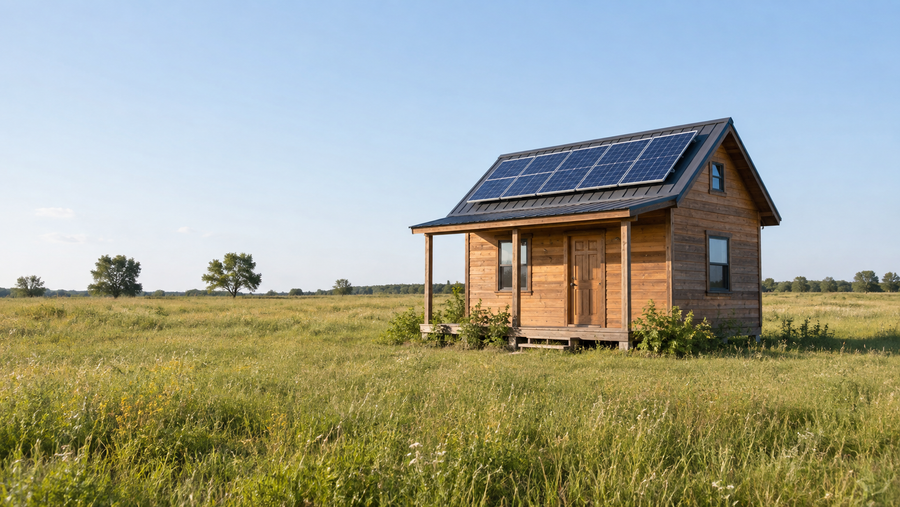
- 40–100 W folding solar panel staged at the car or camp, not next to the birds
- USB-C PD cables and car adapters matched to your camera and laptop chargers
- Weatherproof bag or crate to keep the power station off mud and splash zones
Smart Power Management While You Wait
Beautiful bird images typically rely on soft light and an eye-level perspective, which usually means dawn and dusk sessions when temperatures drop and batteries sag. You cannot control the light, but you can control how aggressively you burn watt-hours.
Front-load everything power-hungry: top off camera batteries and your laptop at the vehicle, then hike in with a pack that is already at 100%. In the blind, reserve AC output for true must-haves and run everything you can from efficient USB-C.

Key steps to protect your energy budget:
- Keep spare camera batteries warm in an inside pocket and rotate them.
- Drop LCD brightness and disable automatic image review to stretch each pack.
- Batch tasks: import and cull photos in one or two focused bursts instead of all day.
- Use a low-power red headlamp and avoid leaving it on between shots.
Keeping Birds Safe While You Stay Powered
Ethical shorebird work starts with a simple rule: minimize disturbance to shorebirds that have just flown hundreds or thousands of miles. From a power perspective, that means no idling engines, no humming generators, and no strobe-like power-station displays lighting up the marsh.
Treat your power system as part of your fieldcraft, not an afterthought. Choose dark, non-reflective panels and hardware, tape over bright LEDs, and position batteries where any residual fan noise is masked by wind or surf.
Key low-impact energy habits that pay off:
- Shut off the vehicle once you are parked and charge from the battery, not the engine.
- Cover status lights and screens that could flash or glow toward feeding flocks.
- Keep solar panels low and angled away from birds to avoid glint and silhouettes.
- Charge phones and radios on lower-power modes and silence notification sounds.
- Plan paths to and from your blind that do not push birds off key feeding patches.
The same wetlands that give you world-class frames are high-quality coastal and inland wetlands that migrants depend on as refueling sites. Build a quiet, right-sized power kit, manage it like a limited-edition battery pack, and you will come home with more keepers without costing the birds the energy they need to finish their journey.