
Use a compact lithium power system to turn his fishing kayak into a safe, comfortable, long-range platform that still launches easily.
Step 1: Lock In Safety and Visibility
The best power upgrade starts with the gear that keeps him coming home. Before you shop for batteries or motors, budget first for safety and visibility.
He should wear a Coast Guard–approved life jacket every minute he is on the water, not just stash one in a hatch. Fishing-specific PFDs add pockets and attachment points so he can keep tools, a radio, and snacks on his chest instead of cluttering the deck.
His bare-minimum safety kit for a powered kayak should include a high-visibility fishing PFD he will actually wear, a waterproof phone case with a whistle on a short tether, a compact headlamp or white navigation light for low light, and a rescue knife clipped to the PFD so he can cut free from line or anchor rope if needed.
A bright flag and 360-degree light pole make low-sitting kayaks far easier for powerboats to see at dawn, dusk, and in chop. Keep an eye on the kayak's rated capacity—him, the motor, battery, and gear all count—so the hull still rides high and stable.

Step 2: Decide What You're Powering
Treat his kayak like a tiny off-grid cabin: list every device that needs power this season and next. Typical loads include a fish finder or GPS display, a cell phone and action camera, navigation or deck lights, and an electric motor or pedal-drive assist.
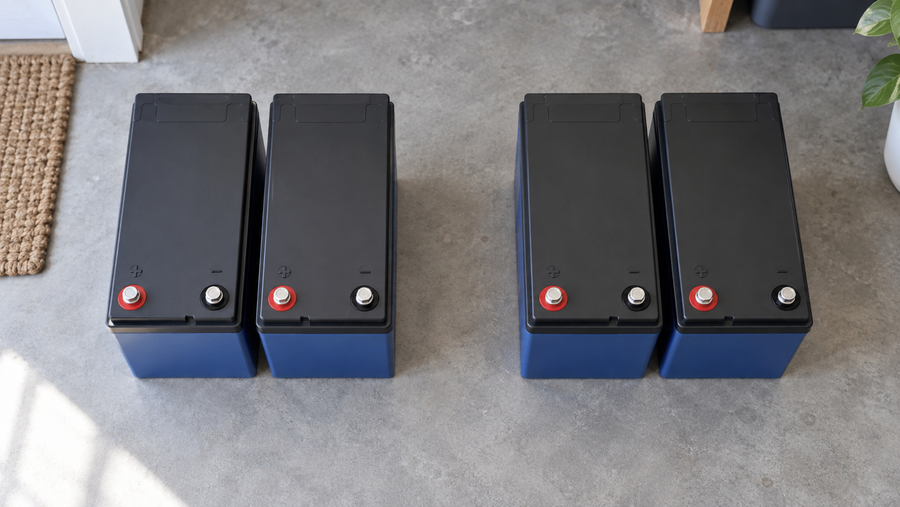
Modern sonar and cameras run best off dedicated, long-lasting lithium batteries instead of heavy lead-acid bricks. As a rule of thumb, a small fish finder drawing about 1 amp can run 8-10 hours on a 10Ah lithium pack, while a compact motor pulling 25 amps will drain a 100Ah battery in roughly 3-4 hours of continuous use.
Start by deciding whether this season is "electronics only" or "electronics plus motor." If the budget is tight, build a clean lithium system for the graph, lights, and phone first; you can add a motor later without redoing the whole wiring plan.

Step 3: Build a Compact Lithium Power Core
You are essentially installing a miniature off-grid power system, just at kayak scale. Keep the layout simple so it is easy to troubleshoot in the driveway instead of in the wind.
Quick build sequence:
- Mount a 12V lithium battery in a waterproof box under the seat or in a rear crate, strapped down so it cannot shift.
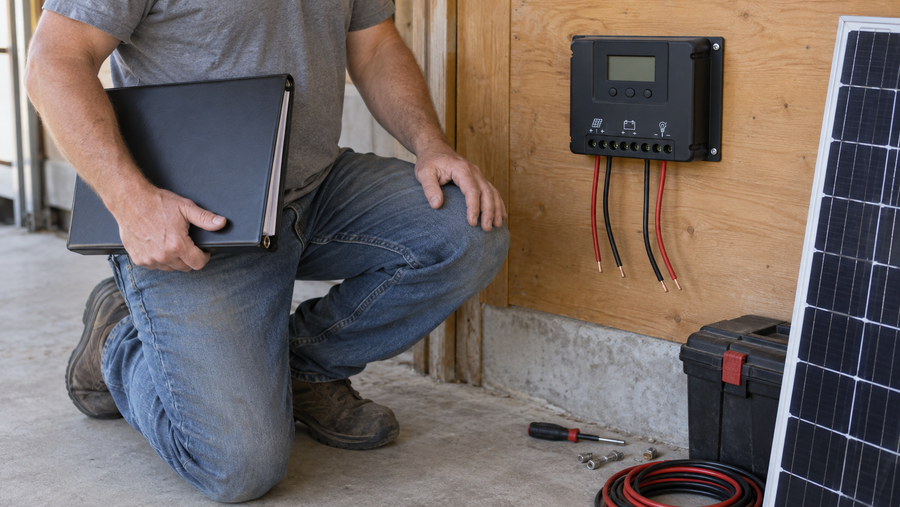
- Run a fused main line (close to the battery) to a small marine fuse block that feeds the fish finder, lights, and accessories.
- Use waterproof connectors and labeled wires so he can unplug the whole box for charging or storage.
- Test everything at home: wiggle wires, cycle the motor, and make sure nothing cuts out when he leans or rocks the hull.
A good crate-and-track system can upgrade a basic kayak into a tidy power bay, with the battery low and centered for stability and tackle organized around it. Aim to keep all power components below his shoulders and inside the gunwales so the boat still handles cleanly in waves.

Step 4: Match Power With Comfort and Control
Extra range is useless if his back gives out by lunchtime or the kayak drifts off every hotspot. Once power is sorted, upgrade the driver's seat and boat control.
A premium fishing seat with lumbar support and a slightly elevated position delivers superior comfort and support for long days. Pair it with a light, properly sized paddle so he can still move efficiently if the motor is off or the battery is low.
For on-water control, keep gear focused and within easy reach. Rod holders, a compact anchor, and a small GPS/fish finder are core kayak fishing gear that belong on tracks where they can be repositioned instead of permanently in the way. An anchor trolley or stakeout pole lets him park precisely on structure, and if he likes to stand and cast, consider outriggers and a grippy deck mat so the new power does not outpace his balance.

Step 5: Protect the Upgrade All Year
Power systems usually fail from neglect, not from use. Off-season or off-days are perfect for quick checks that keep his kayak plug-and-play instead of tinker-and-pray.
Simple maintenance routine:
- Rinse the hull, motor mount, and wiring with fresh water; check for cracks and loose hardware.
- Inspect bungees, buckles, and carry handles; replace any that look frayed or chalky.
- Open connectors and fuse blocks; clean any corrosion and reseal questionable holes or pass-throughs.
- Store the lithium battery cool, dry, and partially charged rather than full for months.
Every extra day on the water increases the risk of moving tiny pests, so build "clean, drain, dry" into his pack-up to help in preventing aquatic invasive species. The payoff for this planning is big: a compact, lithium-powered kayak that fishes like a downsized bass boat, still slides off a gravel bank, and feels like the ultimate power upgrade he did not know he needed.