Choosing the right battery for your trolling motor can make or break a day on the water. In recent years, lithium batteries have become increasingly popular among anglers, offering lighter weight, longer lifespan, and improved performance compared to traditional lead-acid options. But with prices running 2-3 times higher, many boaters wonder whether the upgrade is truly worth it.
This guide breaks down the key differences between lithium and lead-acid trolling motor batteries, covering performance specs, real-world advantages, potential drawbacks, and practical buying tips to help you make an informed decision.
What Makes Lithium and Lead-Acid Batteries Fundamentally Different?
Beyond the obvious price gap, lithium and lead-acid batteries differ in ways that directly affect your time on the water. Understanding these core differences will help you evaluate which option fits your fishing style and budget.
Usable Capacity
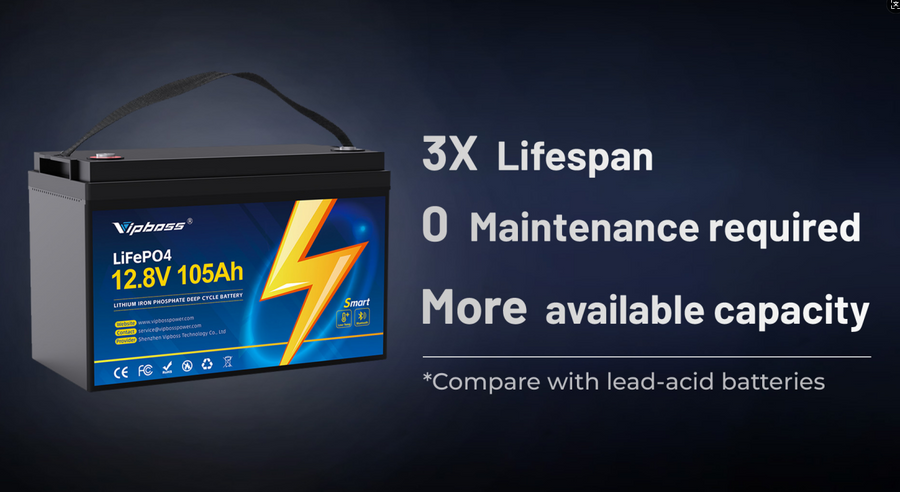
Here's something that surprises many boaters: a 100Ah lead-acid battery doesn't actually give you 100Ah of usable power. Discharge it below 50%, and you'll significantly shorten its lifespan. That means your "100Ah" battery is really more like 50Ah in practice.
Lithium batteries can safely discharge to 80-90% of their rated capacity without damage. A 100Ah lithium battery gives you 80-90Ah of actual, usable power. This effectively doubles your runtime compared to lead-acid at the same capacity rating.
Weight
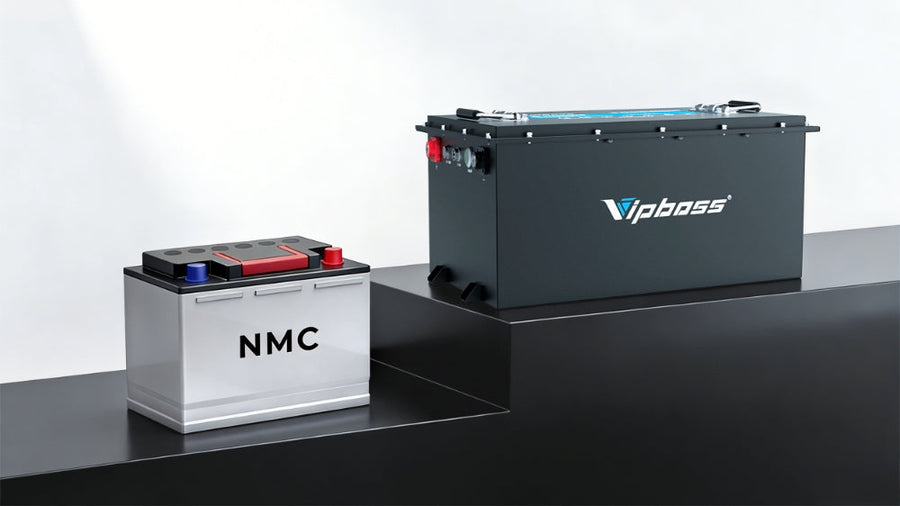
This one's straightforward: lithium batteries weigh about 50-60% less than equivalent lead-acid batteries. A typical 100Ah lead-acid battery weighs 60-80 pounds, while a comparable lithium battery weighs 25-30 pounds. For kayak anglers or anyone running multiple batteries, this weight savings translates directly to better boat performance and easier handling.
Cycle Life
Lead-acid batteries typically last 300-500 charge cycles before capacity degrades significantly, roughly 2-3 years of regular use. Quality LiFePO4 batteries are rated for 2,000-5,000 cycles, which translates to 8-10 years under normal conditions. This is where the long-term cycle life equation starts to favor lithium.

What Are the Key Advantages of Lithium Trolling Motor Batteries?
If you're considering an upgrade from lead-acid, lithium batteries offer several performance benefits that go beyond just weight savings. Here's what you can expect from making the switch.
Consistent Voltage Output
One underrated advantage: lithium batteries maintain stable voltage throughout their discharge cycle. Lead-acid voltage drops progressively as the battery drains, which means your trolling motor gradually loses thrust as the day goes on. With lithium, you get the same power at 20% charge as you did at 80%. Many anglers report this as the most noticeable real-world difference.
Faster Charging
Charging time depends on your charger's amperage and battery capacity, so there's no universal "4-5 hours vs 12 hours" answer. However, lithium batteries can accept higher charge rates safely. A LiFePO4 battery can handle charge rates up to 50% of its capacity (a 100Ah battery can use a 50A charger), while lead-acid is limited to about 25%. In practical terms, this means you can charge lithium significantly faster if you have an appropriately sized charger.
Zero Maintenance
No water levels to check, no terminal corrosion to clean, no sulfation to worry about. Lithium batteries are sealed and maintenance-free. Just charge them and go.
What Are the Potential Drawbacks to Consider?
While lithium batteries offer clear performance advantages, they're not the right choice for every angler. Before making the investment, consider these potential limitations.
Upfront Cost
There's no getting around it: lithium batteries cost 2-3 times more initially. A quality 100Ah LiFePO4 battery runs $200-400, while a comparable lead-acid or AGM battery costs $80-150. For occasional anglers who fish a few times a year, the math may not work out. For frequent users, the longer lifespan and lower replacement frequency often make lithium cheaper over time.
Cold Weather Performance
Lithium batteries shouldn't be charged when temperatures drop below freezing (32°F / 0°C). Doing so can cause permanent damage to the cells. Most quality lithium batteries now include low-temperature cutoff protection in their Battery Management System (BMS), but this is still a consideration for ice fishing or early spring/late fall outings. Lead-acid batteries handle cold-weather charging better, though their capacity also drops in cold conditions.
Compatibility
Most modern trolling motors work fine with lithium batteries, but some older models may have issues. Motors with auto-deploy/stow features (like the Minn Kota Ulterra) need special attention. Lithium voltage drops off sharply at the end of its charge cycle, potentially leaving you unable to stow the motor if you run it too low. A battery monitor is essential for these setups.

How Do Lithium and Lead-Acid Batteries Compare Side by Side?
The table below provides a quick reference for the most important specifications. Keep in mind that actual performance may vary depending on brand, usage patterns, and environmental conditions.
| Factor | Lithium (LiFePO4) | Lead-Acid / AGM |
|---|---|---|
| Usable Capacity | 80-90% of rated Ah | ~50% of rated Ah |
| Weight (100Ah) | 25-30 lbs | 60-80 lbs |
| Cycle Life | 2,000-5,000 cycles | 300-500 cycles |
| Typical Lifespan | 8-10 years | 2-3 years |
| Upfront Cost | $200-400 (100Ah) | $80-150 (100Ah) |
| Maintenance | None | Water levels, terminals |
| Cold Charging | Not below 32°F | OK in cold weather |
Which Type of Battery Is Right for Your Fishing Style?
- Lithium makes sense if you: fish frequently (20+ days per year), need to reduce weight for kayaks or smaller boats, want all-day runtime without worrying about battery degradation, or value the convenience of fast charging and zero maintenance.
- Stick with lead-acid if you: fish occasionally and can't justify the upfront cost, primarily fish in very cold conditions, or have an older motor with potential compatibility issues you'd rather not troubleshoot.
What Should You Look for When Buying a Lithium Trolling Motor Battery?
If you've decided to make the switch to lithium, choosing the right battery requires attention to a few key specifications. Here's what matters most.
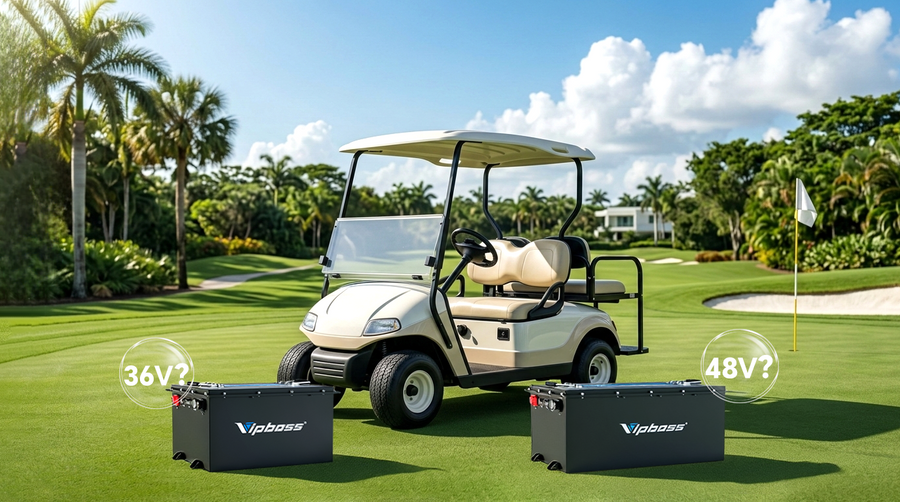
- Match the voltage to your motor. Most trolling motors run on 12V, 24V, or 36V systems. Get this wrong and nothing works.
- Choose adequate amp-hours. For a full day on the water, 100Ah is a good baseline for 12V systems. Calculate your motor's draw at typical speeds and plan accordingly.
- Check BMS features. A good Battery Management System protects against overcharge, over-discharge, short circuits, and temperature extremes. Bluetooth monitoring is nice to have but not essential.
- Look at the warranty. Reputable brands offer 5-10 year warranties. A short warranty period is a red flag.
Is a Lithium Trolling Motor Battery Worth the Investment?
Lithium batteries genuinely deliver on their promises. They're lighter, last longer, and perform more consistently than lead-acid alternatives. The high upfront cost is real, but for anglers who spend serious time on the water, the total cost of ownership often favors lithium over a 5-10 year timeframe.
That said, there's nothing wrong with sticking to lead-acid if it fits your use case and budget. A well-maintained AGM battery will still get you through plenty of fishing trips. The "best" battery is ultimately the one that matches your fishing habits, boat setup, and budget.
FAQs
Q1: Can I use my existing lead-acid charger for a lithium trolling motor battery?
No, this is not recommended. Lead-acid chargers have desulfation and equalization stages that pulse high voltages of 15.3-15.8V into the battery. This can heavily reduce the life of LiFePO4 cells or cause irreversible damage. Always use a charger specifically designed for LiFePO4 chemistry, or one with a dedicated lithium charging mode. Most AGM charge profiles will also work in a pinch, but a proper lithium charger ensures optimal charging and longevity.
Q2: How should I store my lithium trolling motor battery during the off-season?
Charge your battery to about 50% state of charge, disconnect it from your charger and equipment, then store it in temperatures between 32°F to 77°F (0°C to 25°C). Unlike lead-acid batteries, a partial state of charge does not harm lithium batteries. Avoid leaving batteries in unheated spaces where temperatures drop well below freezing for extended periods, as this can crack the casing and accelerate capacity loss. Check voltage every 2-3 months during storage.
Q3: Can I wire multiple lithium batteries together for a 24V or 36V trolling motor system?
Yes, but follow specific guidelines. It is recommended that all batteries included in a series should be the same type (all lithium), size (volts/amps), and age. For 24V systems, wire two 12V batteries in series. For 36V systems, use three 12V batteries in series. Before connecting, ensure all batteries have similar voltage levels with no more than 0.05V difference between them to prevent imbalance issues. Alternatively, single 24V or 36V lithium batteries eliminate wiring complexity entirely.
Q4: Do lithium trolling motor batteries work in saltwater environments?
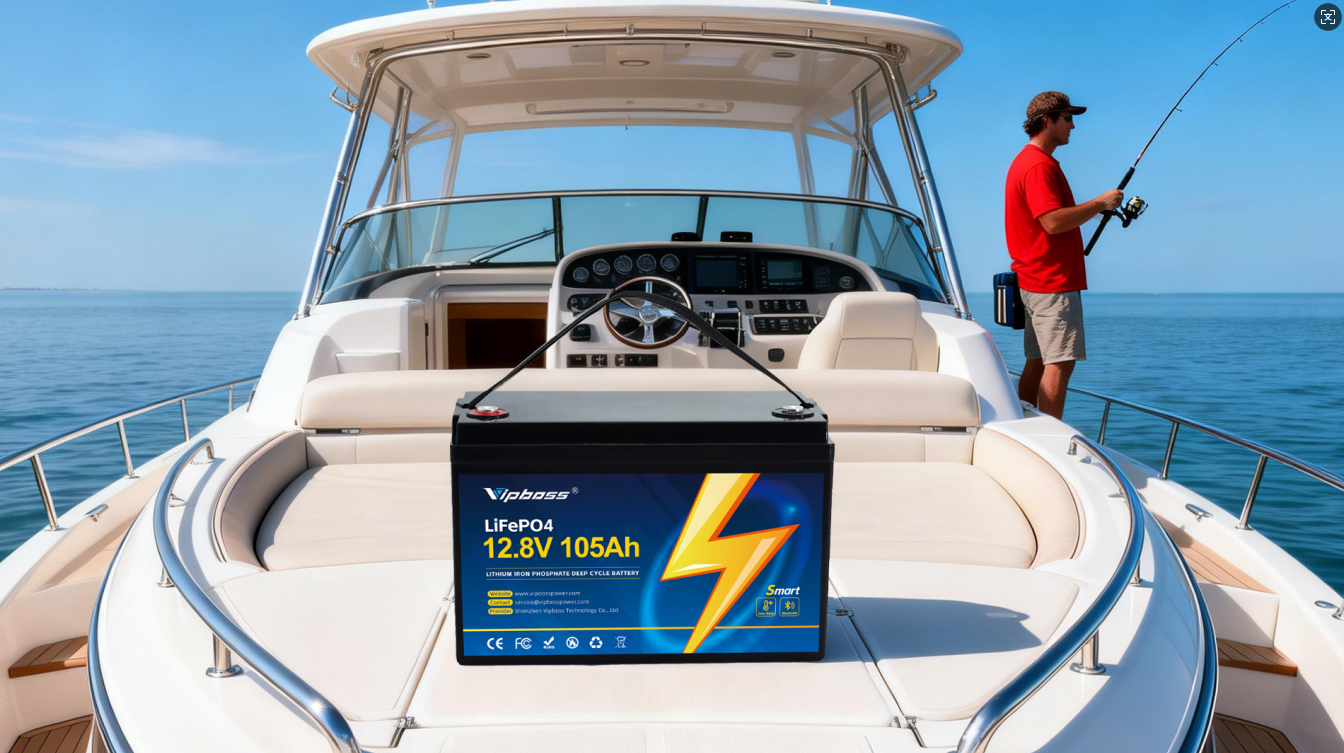
Yes, but choose a marine-rated battery with proper protection. For a trolling marine battery, an IP rating of IP67 or higher is usually recommended to ensure adequate durability. Saltwater accelerates corrosion and can damage terminals and internal components, so look for batteries with sealed casings, corrosion-resistant terminals, and salt-spray resistance ratings. Rinse terminals with fresh water after saltwater use and inspect connections regularly for any signs of corrosion.
Q5: Will running my trolling motor at maximum speed damage a lithium battery?
The battery itself handles high-speed operation fine, but your motor may be at risk. Minn Kota reps have noted that lead-acid batteries drop power after a few minutes at full throttle, but LiFePO4 batteries maintain maximum speed voltage, which has caused some burned-out motors during extended high-speed runs. Most manufacturers recommend limiting continuous full-throttle operation to 10-15 minutes. Check your motor's specifications for lithium compatibility guidelines before extended high-speed use.