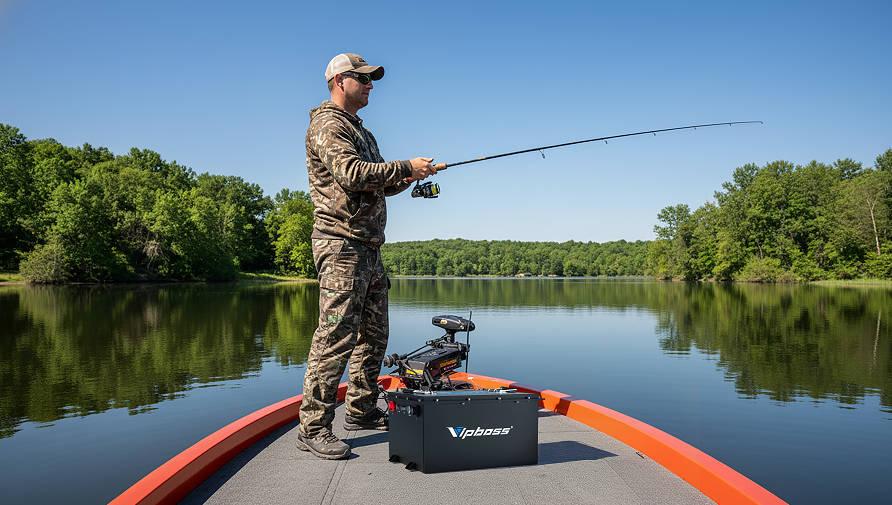
A long day on the water should feel relaxed, not like a math test. Power anxiety usually comes from three things: a motor that pulls more current than expected, a battery that delivers less usable energy than the label suggests, and wiring that wastes power as heat. The fix is practical: choose the right system voltage, estimate your average amp draw, size usable amp-hours with a reserve, and wire the setup with proper protection.
What Actually Makes the Best Battery for a Trolling Motor?
"Best" is practical, not flashy. It means the battery matches your system voltage, provides enough usable capacity for your average throttle, and delivers that energy safely.
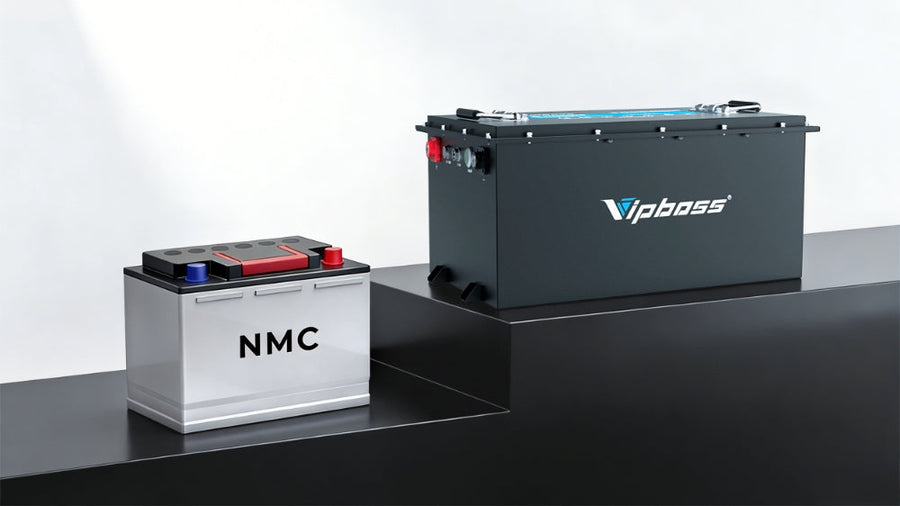
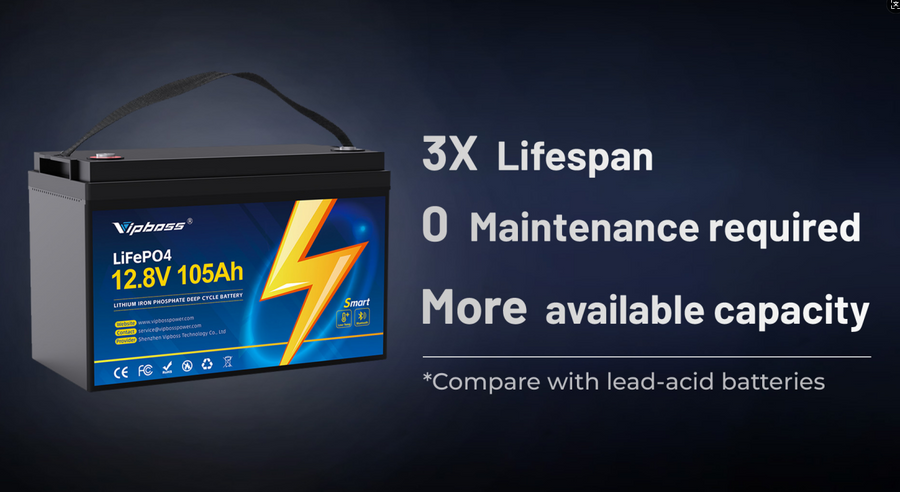
- Usable capacity matters. Traditional deep-cycle lead-acid batteries are typically sized around a 50% usable window to keep cycle life reasonable, while LiFePO4 commonly supports deeper cycling with less wear.
- Weight and lifespan favor LiFePO4. You carry fewer pounds for the same usable energy and gain far more cycles than most lead-acid options. That is why many anglers upgrading today look to a lithium-ion trolling motor battery for runtime, handling, and longevity.
12V, 24V, or 36V: Which Voltage Fits Your Trolling Motor?
Voltage choice follows thrust. Common patterns are 12V for roughly 45–55 lb, 24V for about 70 lb, and 36V when you need 100 lb or more. The higher the system voltage, the lower the current for the same power, which reduces voltage drop and heating in long cable runs.
For concrete numbers, mainstream spec sheets list a 12V 55 lb motor drawing about 50 to 52 amps at full power, while a 24V 70 lb model draws around 42 amps. That difference has wiring implications and directly affects how much capacity you need for the same hours on the water.
How to Size a Lithium-Ion Trolling Motor Battery
Sizing comes down to one clear equation for most boats:
Runtime (hours) ≈ usable Ah ÷ average current (A).
Use your typical mid-throttle draw, not the maximum. For capacity, assume about 90% usable for LiFePO4 and about 50% for flooded or AGM deep-cycle. Keep a 20–30% energy reserve for wind, current, and a relaxed trip back to the ramp. The same logic appears in reputable sizing resources and manufacturer learning centers.

Checkable Examples
Assume a 12V, 55 lb motor that can pull about 50 amps at full. Many anglers cruise around mid settings closer to 25–35 amps. The table below uses 30 amps as an easy average.
| Battery Type | Nameplate Capacity | Usable Ah Assumption | Average Draw (A) | Estimated Runtime |
| Lead-acid deep cycle | 100 Ah | ~50 Ah | 30 | ~1.7 h |
| LiFePO4 | 100 Ah | ~90 Ah | 30 | ~3.0 h |
| Lead-acid deep cycle | 200 Ah | ~100 Ah | 30 | ~3.3 h |
| LiFePO4 | 200 Ah | ~180 Ah | 30 | ~6.0 h |
On breezy days, your average current rises. If you think you will sit closer to 40 amps, divide by 40 instead. Build that habit, and you will not be surprised by the clock. For 12V rigs, many motor makers also suggest a deep-cycle battery of roughly 110 Ah or more as a baseline, which aligns with the math above.
Wiring & Protection for a Trolling Motor Battery
Clean, correctly sized wiring delivers the hours you paid for. Voltage drop and heat steal range, so breaker rating, cable gauge, and terminations need care before you blame the battery.
- Breaker size and location. Follow the maker's chart for your motor and voltage. Many 12V 50–55 lb setups use a 60 amp breaker. Place it close to the battery so a short in the cable is protected from the source side.
- Wire gauge and voltage drop. Choose marine-grade tinned copper and size by both current and round-trip length. Consult the manufacturer's wire tables and aim to keep full-throttle voltage drop at or below 5 percent. When the run is long or you want a snappier response, target about 3 percent. Heavier cable is the practical fix for long runs.
- Terminations and corrosion control. Use proper crimp lugs, adhesive heat-shrink, and clean, tight terminals. A single loose connection can mimic a weak battery because voltage sags hardest at high resistance points. The fix is often a wrench and new lugs, not a new pack.
- Charger compatibility. Match the charging profile to LiFePO4. Many modern packs include low-temperature charge protection, and some heated models warm themselves before accepting current. Most BMS designs block charging below 32°F or 0°C to protect cell chemistry, so plan cold-morning top-ups accordingly.
Extending Trolling Motor Runtime: Practical Habits & Quick Fixes
Runtime improves with simple habits and quick checks: steady throttle, clean prop, balanced trim, periodic SOC calibration, charge above 32°F, and fix loose or hot connections that cause voltage drop.

- Throttle discipline. Doubling speed can dramatically raise current, especially in chop. Hold a steady setting that keeps the boat tracking true rather than surging. If wind or current picks up, expect your average draw to climb and plan accordingly.
- Trim, weight, and prop care. Balanced hull trim and a clean prop reduce wasted energy. Check for line or weeds around the shaft. Even minor fouling raises current.
- Battery health habits. LiFePO4 is comfortable with partial cycles, so frequent top-offs are fine. Store around a mid-range state of charge if you will not fish for a while, and keep the pack above freezing before charging to protect cell chemistry. Heated models or BMS low-temperature logic help with cold mornings.
- Understand SOC quirks. Voltage alone is a poor fuel gauge for LiFePO4 during use because the voltage curve is relatively flat. Meters can drift and need periodic full charges to resync. If your display shows plenty of charge but the boat feels sluggish, check wiring heat and connections first, then recalibrate the monitor.
Quick Troubleshooting Flow
- Inspect every terminal from battery to plug. Anything warm under load indicates resistance.
- Compare the no-load voltage to the loaded voltage at the battery and at the motor plug. A big drop in the cable points to undersized wire or weak crimps.
- If a cold front rolled in overnight, confirm the pack is warm enough to accept a charge. Many systems block charging below 32°F or 0°C to prevent damage.
Your Simple Path to the Best Battery for Trolling Motor
Match voltage to thrust, then estimate average current for the kind of days you actually fish. Size usable amp-hours with a healthy reserve and choose features that serve your waters: a robust BMS with appropriate current ratings, corrosion-resistant hardware, ingress protection, and clear state-of-charge visibility. Wire the system with a correctly rated breaker near the source and cable sized for low drop at full power. Keep terminals clean and tight, trim the boat properly, and maintain the prop. Do these things, and the system stops being a guessing game. It becomes predictable and calm, which is exactly how a day on the lake should feel.
FAQs
Q1. How do I choose the wire gauge and breaker for a 12V 55 lb setup?
Start with the maker's chart. Aim for 3 to 5 percent voltage drop at full power. Use marine-grade tinned copper, keep the round-trip length short, and place a 60-amp breaker near the battery for source-side protection. Upsize cable on long runs. Seal crimps with heat-shrink.
Q2. Is LiFePO4 safe to use on saltwater boats?
LiFePO4 works well on saltwater boats when hardware is marine-ready. Use an IP-rated case, stainless or coated terminals, and dielectric grease. Mount high, avoid bilge splash, rinse and dry after trips, and inspect connections monthly for corrosion or looseness. Tighten as needed.
Q3. Can I parallel batteries to extend the runtime?
You can parallel packs to extend runtime, but keep chemistry, capacity, age, and brand identical. Pre-balance state of charge, use equal-length cables to a common bus, fuse each positive lead, and monitor current sharing. Confirm the BMS supports parallel operation.
Q4. What charger settings suit LiFePO4 trolling batteries?
Use a charger with a LiFePO4 profile. Set bulk and absorption to the manufacturer's recommended voltage and duration, and keep float conservative or use storage mode. Add a temperature sensor, and avoid charging below 32°F or 0°C to protect cells.
Q5. Do I need a separate battery for fish finders and electronics?
Dedicated electronics power prevents interference and brownouts when the trolling motor surges. Many anglers run a small house battery for sonar, GPS, and lights, plus isolation or filtering. If you charge from an outboard, consider a DC-DC charger to protect both banks.