
An IP67 label is a strong start, but only real-world saltwater corrosion checks and good installation prove whether your marine lithium battery will stay reliable.
Picture this: the boat is pounding home through a steep afternoon chop, hatches dripping, bilge sloshing, while every screen on the dash still needs clean, steady power. One hidden splash in the battery compartment, or a little white fuzz on a terminal, can be all it takes to turn “maintenance-free” power into a dead trolling motor or dark chartplotter. The good news is that with the right battery design, smart installation, and a simple on-boat corrosion test routine, you can trust your waterproof rating instead of gambling every time the spray turns salty.
Why Saltwater Corrosion Is The Real IP67 Stress Test
Saltwater is far more brutal than the fresh tap water used in standard ingress tests. Manufacturers and marine electricians agree that the combination of salt, moisture, and vibration attacks every exposed metal surface, especially terminals, connectors, casings, and cabling, increasing resistance and boosting the risk of short circuits and fire over time. Marine corrosion shows up as white, blue, or green crusty deposits, swollen cases, discolored insulation, and symptoms of voltage drop such as slow cranking, dim lights, and intermittent electronics.
Several guides on marine power and maintenance point out that lithium iron phosphate boat batteries already dodge some classic problems of flooded lead-acid units: there is no liquid acid to spill, no sulfation on exposed lead plates, and far less gassing during charge. That means fewer corrosive vapors, less mess, and a much lower chance that the battery itself becomes a corrosion factory. Lithium packs also run lighter and can deliver thousands of cycles, often 3,000-5,000 or more when properly managed, so they are worth protecting.
However, lab research on cylindrical lithium cells exposed to hydrothermal salt spray has shown how aggressive this environment really is. In one Thin-Walled Structures study, salt spray corrosion slashed the effective stiffness of corroded battery shells by more than 70 percent in certain loading directions and cut peak load capacity under compression and bending by over 10 percent. Those tests were followed by mechanical impacts to mimic pounding in a boat hull, and the combination of corrosion and abuse clearly weakened the cells and raised short-circuit risk. The message is simple: if salt finds a path into the pack or around the terminals, you are relying on a damaged safety margin.

What IP67 Really Means For A Marine Lithium Battery
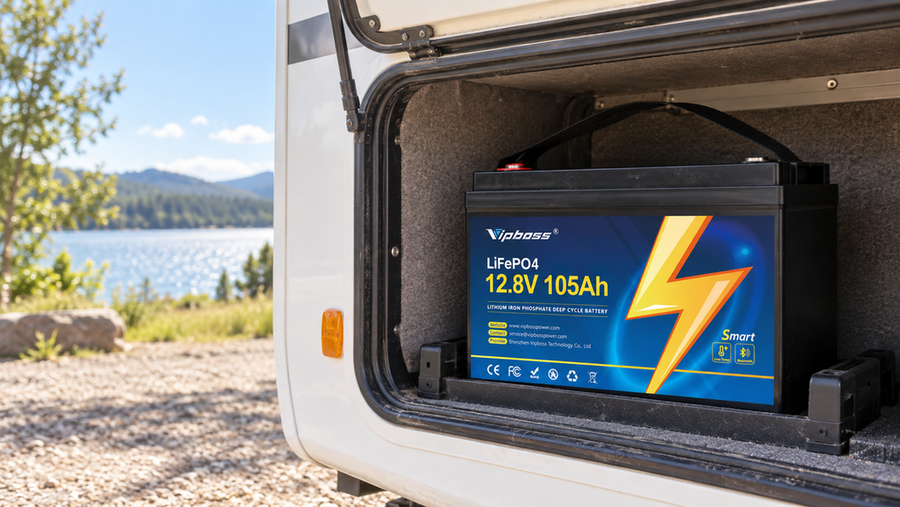
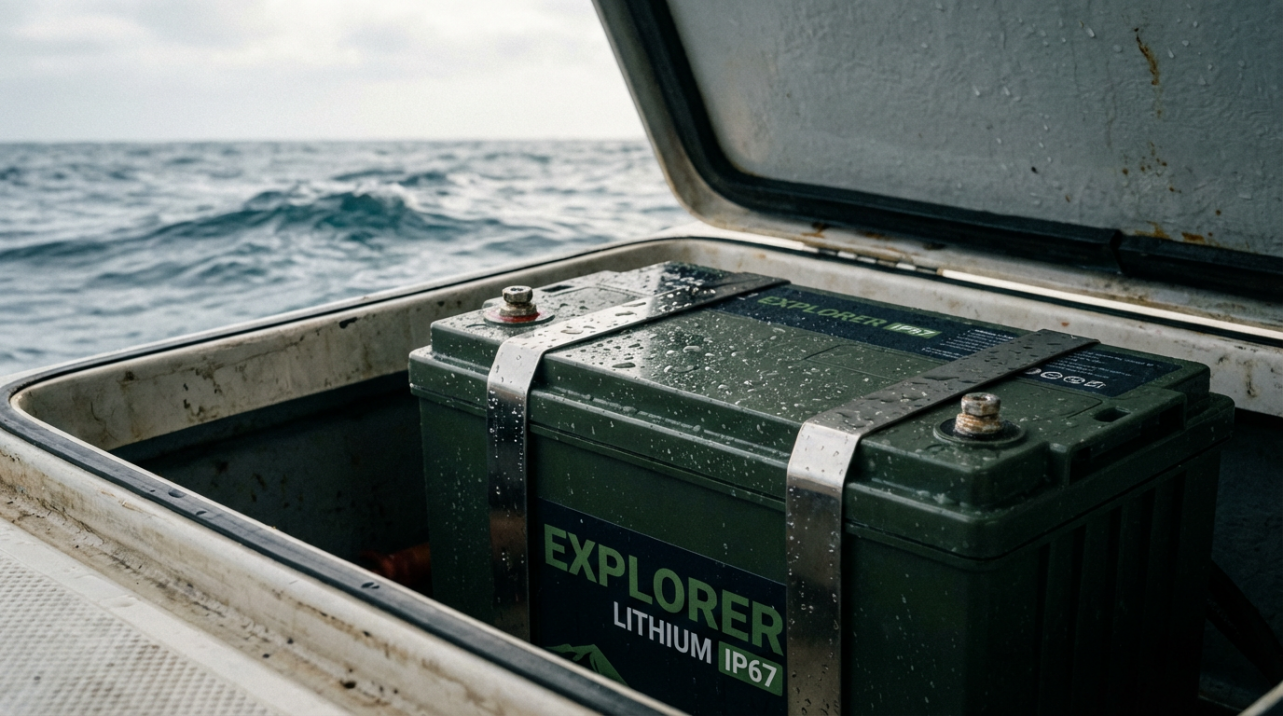
On paper, IP67 promises a high level of protection against dust and water ingress. Marine-grade lithium brands use this rating on sealed cases that are designed to resist spray, humidity, and limited submersion while keeping moisture out of the internal electronics. For example, well-known trolling motor batteries such as the RELiON RB100-HP carry an IP67 rating and a rugged housing built for saltwater fishing boats. Several premium LiFePO4 manufacturers highlight IP65 or IP67 enclosures specifically for marine duty.
At the same time, advanced marine lithium packs are designed as complete systems, not just boxes of cells. They typically combine a sealed LiFePO4 cell block with a smart battery management system that continuously monitors voltage, temperature, and current, and shuts things down if it detects overcharge, over-discharge, overheating, or short circuits. Many add low-temperature charge cutoffs, internal heaters for cold climates, and Bluetooth monitoring to catch problems before they become failures.
Here is the critical distinction: an IP67 case helps keep water out of the internals, but it does not protect unprepared cabling or bare metal studs from salt fog, spray, or condensation. Salt crystals on a terminal will keep corroding long after the spray dries, and any resistance at those connections erases the efficiency gains of lithium’s higher energy density and flatter voltage curve. That is why corrosion-resistant details such as stainless casings, tinned copper cable, sealed connectors, and careful terminal protection matter just as much as the IP label.
A practical way to think about the rating in the real world is to treat it as your last line of defense, not your first.

The first line is keeping the battery high, dry, and correctly wired; the case and BMS are there to save you if something goes wrong, not to justify reckless placement in a wet bilge.
Design-Level Check: Is Your “IP67” Battery Truly Built For Saltwater?
Before you ever launch, you can perform a simple desk-level corrosion test on the spec sheet and hardware in front of you. The goal is to separate batteries that merely claim a waterproof rating from those engineered as full marine systems.
Start by confirming chemistry and construction. Modern marine-specific lithium batteries overwhelmingly use LiFePO4 cells because this chemistry is inherently more stable, less prone to overheating, and better suited to deep-cycle service than older cobalt-based lithium designs. Reputable manufacturers emphasize that their packs deliver thousands of cycles, often on the order of 3,000-5,000 or more, with service lives of about 8-12 years when used and charged correctly in boats. When you see that paired with a long warranty around a decade, you are looking at a pack that was built to survive repeated salt seasons, not just weekend lake runs.
Next, inspect the enclosure and terminals. Marine-ready batteries aimed at harsh saltwater use call out sealed, IP-rated casings, corrosion-resistant terminal hardware, and vibration-resistant housings. Some feature stainless steel cases or plates; others use polymer housings with gaskets and sealed connectors. The strongest designs are explicit about resisting spray, humidity, and limited submersion, not just labeling the product “waterproof.”
The third design checkpoint is the protection and monitoring package. Look for a smart BMS that includes over-current protection, short-circuit detection, low-voltage disconnect, and thermal protections, ideally with clear guidance about allowed temperature ranges and charging behavior. Guides from marine lithium specialists and large battery manufacturers consistently stress that lithium packs should be charged and operated in roughly 32-113°F conditions, with no charging allowed when the cells are at or below freezing. That kind of clarity is a sign that the maker understands both the chemistry and the marine environment.
If a battery lacks a clearly documented IP rating, skimps on corrosion-resistant materials, or treats the BMS as an afterthought, treat that as a design-level corrosion test it just failed—no saltwater needed.

Saltwater Corrosion Test On The Boat: How To Verify IP67 Performance Safely
The worst way to test an IP67 battery is to dunk it in a tub of seawater. Water intrusion into a lithium pack can create heat-generating reactions, hydrogen gas, internal short circuits, and possible thermal runaway. Several marine safety articles and case reports on boat fires trace problems back to water reaching damaged or poorly sealed lithium systems. A DIY immersion test is both unnecessary and dangerous.
Instead, put the whole installation through a controlled saltwater corrosion test over time by combining smart placement, routine inspections, and performance monitoring.
Begin with location and mounting. Marine lithium manufacturers and installers repeatedly advise putting batteries in dry, well-ventilated compartments, away from direct spray and above the bilge line. Ventilation keeps humidity and condensation from lingering, while physical separation from splashing water and standing bilge limits direct salt exposure. Secure hold-downs and snug battery boxes prevent impacts and chafing that can crack cases or loosen terminals under heavy seas.
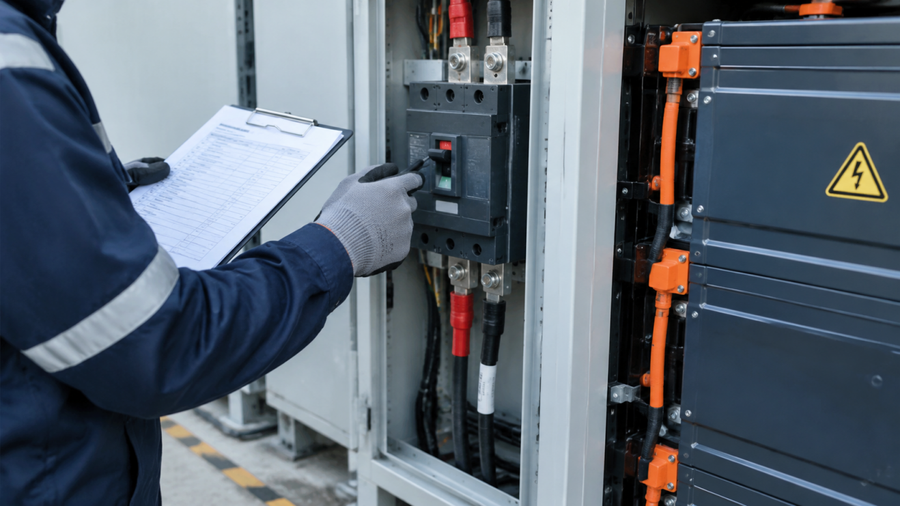
After your first few saltwater outings, open the compartment on a dry day and inspect every connection. Look at terminal posts, lugs, and nearby metal structures for white or green deposits, rust, or any signs of salt residue. Check cable insulation for discoloration or cracking, and feel each connection for looseness. Several corrosion guides recommend using a baking soda and water solution to neutralize and gently scrub away buildup, followed by thorough drying and a fresh coat of dielectric grease or an anti-corrosion spray on exposed metal. If you consistently find clean, bright metal and dry surfaces after rough trips, your installation is passing this real-world corrosion check.

At the same time, pay attention to runtime and voltage behavior. Marine lithium maintenance resources emphasize tracking your typical runtime when the battery is new and revisiting that baseline every season. If your trolling motor or house loads used to run eight hours and now sag to six at the same settings and conditions, or if voltage readings fluctuate noticeably under steady loads, that can be an early sign of hidden corrosion or internal damage. Research on salt-sprayed lithium cells even shows that corrosion at certain points can stiffen and swell the internal structure while still weakening the shell and reducing peak load capacity, so you may not see problems until you stress the system.
You can also leverage the battery’s electronics as part of the test. Smart BMS systems with Bluetooth or integrated monitors will display voltage, current, and temperature histories. Spikes in current draw at startup, rising operating temperatures in moderate weather, or repeated low-voltage events despite short run times are all symptoms worth investigating for possible corrosion at terminals or within the pack.
Finally, think about state of charge during long stints in harsh marine air. That salt spray study on cylindrical cells found that fully charged batteries took about four times longer to fail from corrosion than depleted ones. For a boat that lives near the coast or on a mooring, keeping lithium packs at a healthy, mid-to-high state of charge instead of flat when they sit can meaningfully improve resilience in a salt-rich environment.
Installation And Maintenance That Keep IP67 Waterproofing Honest
An IP67 case is only as trustworthy as the installation wrapped around it. The best practices are straightforward and heavily echoed across marine battery experts.
Use marine-grade, tinned copper cabling with heat-shrink terminals instead of bare automotive copper. Tinned conductors dramatically slow corrosion in salty, humid air and preserve low resistance over time. After crimping or bolting lugs, clean off any debris and apply a thin layer of dielectric grease or a dedicated terminal protectant to exposed metal, taking care not to insulate the actual contact surfaces.
Keep the compartment itself as salt-free as possible. Several corrosion and lithium maintenance guides recommend rinsing the area around the battery with fresh water after heavy saltwater use, then allowing everything to dry completely. The key nuance is to rinse nearby structures and surfaces, not directly hose the battery, particularly around seams or vent points. Once dry, close the compartment to keep out spray but retain ventilation to limit humidity buildup.
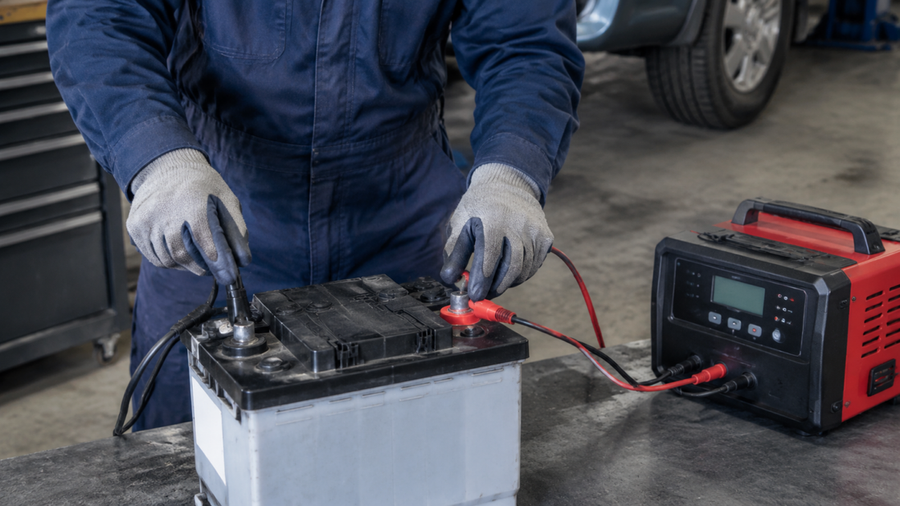
Charging and storage practices also influence corrosion outcomes. Using a charger specifically profiled for LiFePO4 chemistry avoids over-voltage that can stress both the cells and the hardware. Many marine lithium articles suggest recharging after each trip, avoiding repeated deep discharges, and operating most of the time between roughly 20 and 80 percent state of charge for longevity. For off-season storage, disconnect all parasitic loads, leave the pack at around half charge, and move it to a cool, dry, indoor space above freezing. This reduces chemical stress, cuts self-discharge, and limits condensation.
Regular visual inspections are the last piece of the maintenance puzzle. Make it routine, every month or so during your season, to look for swelling, cracks, leaks, unusual smells, and any new corrosion. If you see severe damage to the case or terminals, or if runtime and charge acceptance fall sharply, treat that as a sign that the battery or cabling may need replacement rather than another cleaning session. Given that quality marine lithium banks can outlast multiple sets of lead-acid batteries, replacing one badly compromised unit is often cheaper than chasing intermittent problems or risking a failure offshore.
Quick FAQ: IP67, Saltwater, And Marine Lithium Batteries
Can an IP67 lithium battery live in the bilge? It should not. Even with an IP-rated case, saltwater guides strongly recommend mounting batteries above the bilge line in dry, well-ventilated compartments. Constant dampness, condensation, and occasional flooding create exactly the kind of hydrothermal salt spray environment that lab tests identify as most damaging to casings and internal structures.
Does IP67 mean I never have to worry about corrosion? No rating removes the need for careful wiring and inspection. IP67 refers to ingress protection; corrosion still occurs on terminals, lugs, and cabling if they are not marine-grade and protected. Regular cleaning and protective coatings are essential, even with sealed lithium packs.
Are lithium batteries actually safer than lead-acid in saltwater? When you choose a marine-specific LiFePO4 pack with a robust BMS, corrosion-resistant construction, and proper installation, many experts argue that safety and reliability improve compared with lead-acid. You avoid acid leaks, reduce gassing and fumes, and gain protective electronics that shut the battery down in unsafe conditions. Saltwater still demands respect, but lithium gives you more tools to manage the risks.
Closing
If the goal is a boat that powers up on demand after years of hard saltwater use, treat “IP67” as a starting point, not a finish line. Choose lithium batteries purpose-built for marine environments, mount and wire them like critical gear, and run your own ongoing saltwater corrosion test through inspections, cleaning, and smart monitoring. Do that, and the rating on the label will match the confidence you feel every time you put the bow into a stiff, salty breeze.
References
- https://www.ucf.edu/news/ucf-developed-seawater-battery-is-safer-for-people-and-environment/
- https://www.marineelectricsystems.net/how-to-prevent-marine-battery-corrosion/
- https://battlebornbatteries.com/lead-acid-batteries-lithium-marine-sector/?srsltid=AfmBOor3W-YgaJgiOXOVXcjcIU9CB9v1Z2S-i30Ju8VzjWQ6yaw89__w
- https://mullerenergy.com.au/are-lithium-boat-batteries-safe-in-saltwater-environments/?srsltid=AfmBOorFSV1Mhw8KYzxr-Fk9p5qytMro8ETcvZxRVPVV1XLUsjfe1RFc
- https://eszoneo.com/info-detail/exploring-the-viability-of-lithium-batteries-in-salt-water-environments
- https://www.power-sonic.com/how-to-take-care-of-your-lithium-iron-battery/
- https://www.relionbattery.com/blog/why-lithium-batteries-are-a-game-changer-for-saltwater-fishing-boats?srsltid=AfmBOopX0bVtr75LeU-jrj6FXTGaZ4LN3wzDOflq4L1FRIMfSgLi7mtF
- https://www.wired2fish.com/electronic-tips/everything-anglers-should-know-about-lithium-marine-batteries
- https://www.abyssbattery.com/blogs/news/how-to-prevent-your-marine-battery-from-corroding?srsltid=AfmBOoqDHHYEryrwHivtLG0Nmin1fwSqzZZ5c6lTTee7CgEtw3MYfi9B
- https://www.bioennopower.com/blogs/news/ultimate-checklist-deep-cycle-marine-battery?srsltid=AfmBOorC9I5t9LckVAI8OXzTyDf5XCOeirsBGKRlRzaow3ne1fwg7rXD