
Choose a 36V lithium battery based on voltage compatibility, capacity, current demand, charger type, physical size, and operating conditions. The pack must match the equipment as a complete electrical system.
What Makes a 36V Lithium Battery Different From Other Battery Systems?
A 36V lithium battery offers a middle ground between lighter 24V systems and higher-power 48V systems.
Voltage shows electrical pressure. Amp hours, written as Ah, show stored charge. Watt hours, written as Wh, show total stored energy.
A 36V label describes a system class, while exact operating and charging values depend on chemistry. A 36V LiFePO4 battery, or lithium iron phosphate battery, may use a nominal voltage around 38.4V and a full charge voltage near 43.8V. A 36 volt lithium-ion battery with another chemistry may need a different charging limit.
Current 36V battery specifications show common voltage, capacity, and current ratings, while lithium ion battery fundamentals cover how chemistry affects charging behavior.
| System Voltage | Common Use | Main Buying Focus |
|---|---|---|
| 24V | Light equipment and shorter use periods | Compact size and lower power demand |
| 36V | Golf carts, trolling motors, utility equipment, and small storage systems | Balanced power, runtime, and current capacity |
| 48V | Heavier loads and higher power systems | Controller limits and stronger peak demand |
Higher voltage alone cannot confirm compatibility. Match the battery with the controller, motor, charger, wiring, and protection devices.
Which Applications Commonly Use 36V Lithium Batteries?
A 36V lithium battery commonly powers golf carts, trolling motors, utility equipment, and selected energy storage systems.
- Golf carts: A 36v battery needs enough continuous current for normal driving and enough peak current for startup, hills, passengers, and accessories.
- Trolling motors: A 36v li battery can replace a setup built from several batteries when the motor supports one 36V pack. Marine installations also need secure cables, protected terminals, and suitable moisture resistance.
- Utility equipment: Some work carts, lawn equipment, and compact electric machines use 36V power. Check the controller voltage range and peak draw before purchase.
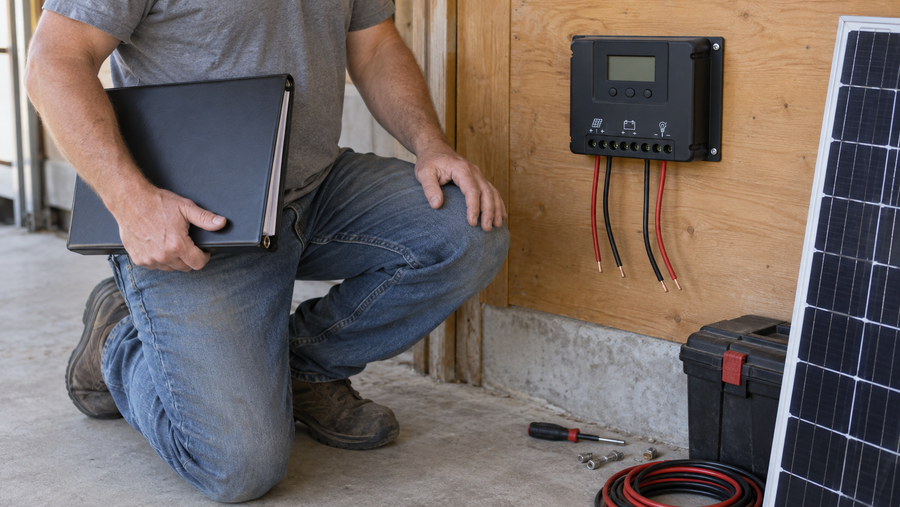
- Energy storage: A 36 volt lithium battery can support a small solar or backup system when the inverter and charge controller accept the same voltage and chemistry.

How Do You Choose the Right Capacity for a 36V Lithium Battery?
Choose capacity from normal energy use, then add reserve capacity for changing loads and operating conditions.
- Find Average Power Draw. Check the motor, inverter, or equipment label for watts. For changing loads, use a realistic average.
- Estimate Total Energy Use. Multiply average watts and operating hours. A 1,000W load running for three hours needs about 3,000Wh.
- Convert Energy to Amp Hours. Use the formula required Ah = required Wh ÷ nominal voltage. For a 38.4V pack, 3,000Wh ÷ 38.4V equals about 78Ah.
- Add a Reserve. Allow extra capacity for hills, low temperatures, aging, longer trips, heavier loads, and accessories.
- Check Current Ratings. The pack must support normal current and short startup peaks without frequent protection shutdowns.
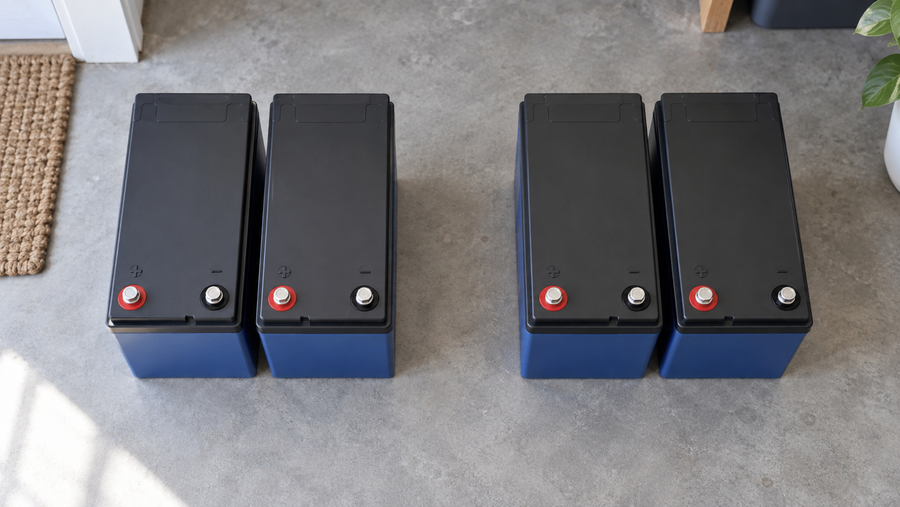
- Measure the Installation Space. Check the tray, mounting points, cable reach, ventilation space, and terminal clearance.
A 36V 105Ah battery stores about 4.03kWh. A 36V 150Ah battery stores about 5.76kWh and suits longer duty cycles when the larger size and weight fit the installation.
What Should You Check Before Replacing a 36V Battery?
Check voltage, chemistry, current ratings, charger compatibility, dimensions, cables, terminals, and installation conditions before replacing a 36V battery.
- Confirm that the equipment uses a 36V electrical system.
- Record the old battery chemistry and charger output.
- Find normal and peak current demand.
- Compare battery current limits with the motor and accessory load.
- Measure the battery tray and mounting points.
- Inspect cable size, connectors, terminals, and fuse rating.
- Confirm that the charger supports the new chemistry and full charge voltage.
- Review series and parallel limits in the battery manual.
- Check temperature limits, water resistance, and vibration exposure.
- Confirm support from displays, inverters, and charge controllers.
A switch from lead-acid batteries to a 36V LiFePO4 battery can change weight balance, cable layout, charging behavior, and usable capacity. Review the full electrical path before installation.

How Do Charging and Maintenance Affect 36V Lithium Battery Performance?
Correct charging and routine inspections support stable capacity and a longer service life.
Use a charger built for the exact battery chemistry and charging limit. A current 36V LiFePO4 charger provides 43.8V output at 25A and suits compatible LiFePO4 packs.
Federal battery fire safety information advises against charging lithium-ion batteries below 32°F or above 105°F. Some packs include low temperature protection that pauses charging near freezing.
Keep terminals clean, dry, and tight. Check cables for heat marks, corrosion, cuts, or loose lugs. Monitor voltage, charge level, current, and temperature through the display or app. Stop use after unusual heat, swelling, odor, leaking, smoke, or strange sounds. Follow the storage charge level listed in the battery manual.
Choose a 36V Lithium Battery That Matches Your Power Requirements
Before purchase, record seven values: system voltage, chemistry, required watt hours, continuous current, peak current, charger voltage, and available space. Compare each value with the battery datasheet. Any mismatch in voltage, chemistry, current, or charger output rules out the pack, even when capacity appears sufficient. You can then compare suitable 36V lithium battery options.
FAQ about 36V Lithium Battery Selection, Care, and Safety
Q1: How Long Will a 36 Volt Lithium Battery Last?
A 36 volt lithium battery can often serve for eight to twelve years, depending on chemistry, temperature, discharge depth, storage habits, and charge level. Cycle life may range from about 1,000 to more than 5,000 cycles. Frequent heat exposure and long storage near full charge can speed up capacity loss.
Q2: What Is the Biggest Problem With Lithium Batteries?
For everyday owners, gradual capacity loss is often the main problem over time. High temperatures, repeated deep discharge, and long storage at a very high charge level can speed up aging. A battery may still work while delivering less runtime than before. Track usable runtime over time and investigate any sudden drop in capacity.
Q3: Does a 36V Lithium Battery Need a Built-In BMS?
Yes. Most ready to use 36V lithium batteries need a battery management system, or BMS. It tracks individual cell voltage, temperature, charge current, and discharge current. It can disconnect the pack when values move outside operating limits. A custom energy storage system may use an approved external BMS, but cell level monitoring still needs full coverage.
Q4: How Do You Dry Out a Lithium Battery?
Do not charge, open, or test a lithium battery after flooding or internal water exposure. Move away from smoke, heat, hissing, or a strong chemical smell. Disconnect outside power only when the area is safe. Follow flooded lithium battery safety steps and contact a qualified battery service or local hazardous waste program.
Q5: Can You Mix 36V Lithium Batteries From Different Brands or Ages?
No. Mixing batteries from different brands, capacities, chemistries, ages, or BMS designs can cause uneven current flow and early shutdown. For a connected battery bank, use matching packs with the same model, capacity, chemistry, age, and charge level. Follow the connection limits listed in the battery manual.