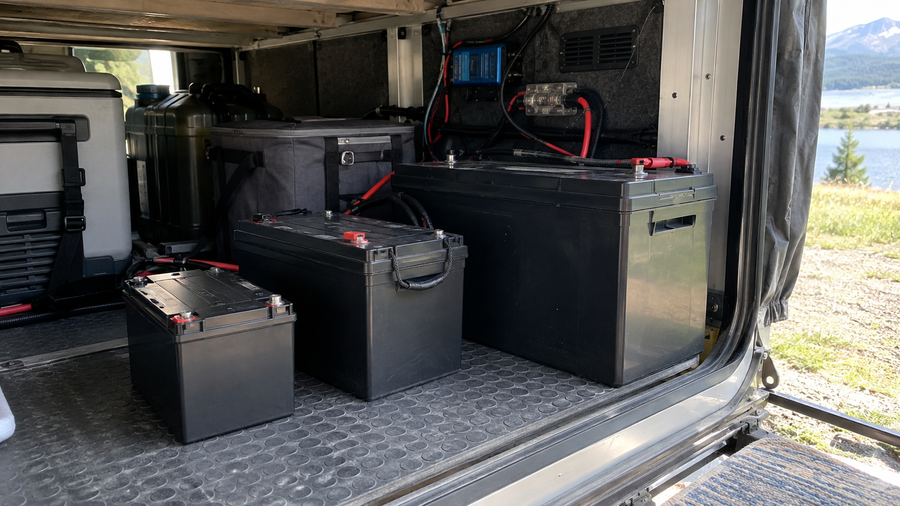

A complete golf cart lithium battery conversion kit should include a LiFePO4 battery pack with a built-in BMS, a matching charger, an SOC monitor, and basic connection hardware. Your cart may also need model-specific cables, a fuse, a disconnect, a battery tray, or a voltage reducer.
What Battery Pack and BMS Should the Kit Include?
The kit should include a battery pack that matches the cart's electrical system. If you are unsure whether your cart uses 36V or 48V, see this guide to 36V vs 48V golf cart batteries. The BMS should also be rated for steady motor current and short current spikes.
A 48V golf cart commonly uses a 51.2V nominal LiFePO4 battery. For a comparison of lithium battery chemistries, see this guide to LFP vs NMC battery chemistry. Battery capacity affects stored energy and expected driving range. The BMS rating controls the amount of current the pack can supply before its protection system activates.
| Battery Detail | What to Check | Why It Matters |
|---|---|---|
| Nominal voltage | Match the cart electrical system | Keeps the controller within its operating range |
| Amp hour capacity | Compare stored energy with expected daily distance | Affects driving range |
| Continuous BMS current | Compare with controller demand | Supports steady motor operation |
| Peak BMS current | Check the current limit and allowed duration | Supports short current spikes |
| Case dimensions | Measure the battery bay | Confirms physical fit |
| Temperature protection | Review charge and discharge limits | Controls operation in hot or cold conditions |
A 48V 105Ah conversion kit lists 5.376kWh of stored energy, a 200A BMS, and a 1000A peak current for three to five seconds. A 48V 150Ah conversion kit provides 7.68kWh of stored energy, a 200A BMS, and a 1000A peak current for three to five seconds.
For most buyers, the best 48V golf cart lithium battery conversion kit fits the battery bay, matches the controller current, and covers the expected daily distance. A higher amp hour rating mainly provides more stored energy and a larger driving reserve.
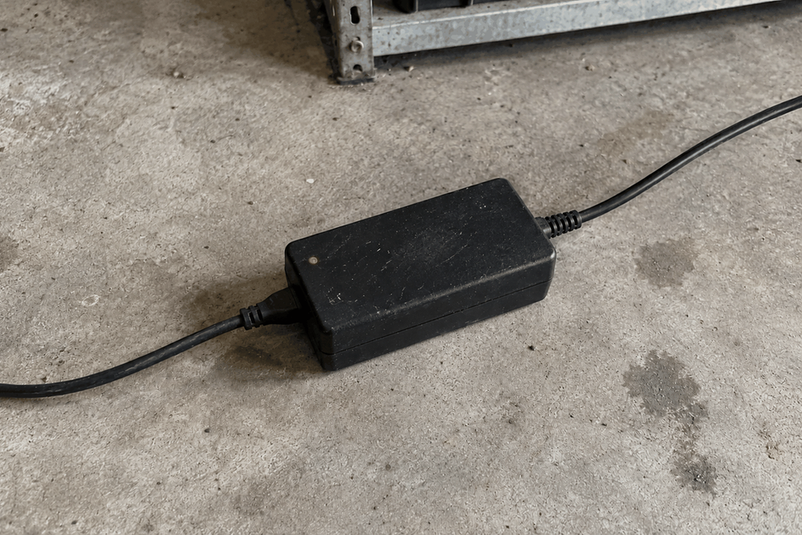
Does the Kit Include a Compatible Lithium Battery Charger?
Yes, a complete kit should include a LiFePO4 charger matched to the battery voltage, charge current, connector, and charging profile.
Check four details before ordering:
- Output voltage: Keep it within the charging range listed for the battery.
- Charging current: Keep it within the battery limit and suitable for the preferred charging time.
- Connector type: Confirm that it matches the battery cable or factory charging port.
- AC input: Confirm that it matches the outlet in the charging area.
The package lists for the 105Ah and 150Ah kits include a charger and AC power cable. Both battery pages list a charging range of 56.8V to 58.4V. The included 48V 18A lithium golf cart charger is rated at 58.4V and 18A.
Some installations connect the charger directly through an Anderson-style connector. Other carts keep the factory charging port through a compatible adapter. Confirm the connection method and adapter needs before placing an order.
Also check charger placement. The charging area needs a dry location, clear airflow, and enough cable length to reach the battery connection without pulling on the plug. For best long-term battery health, follow proper charging practices for your LiFePO4 golf cart battery.
How Will You Monitor Battery Voltage and State of Charge?
The listed kits include an LCD monitor and matching cable, while Bluetooth access lets you view SOC, voltage, current, temperature, and battery alerts from a phone.

Complete the following checks after installation:
- Confirm that the display powers on with the battery.
- Compare the LCD SOC with the app reading.
- Check pack voltage before and after charging.
- Watch battery current during a short test drive.
- Review temperature and stored alerts after a longer trip.
Lithium battery voltage stays fairly steady through much of the usable charge range, so a basic voltage meter gives a limited view of remaining energy. An SOC monitor provides a clearer estimate.
Record the SOC before and after driving a familiar route. The change gives you a practical range estimate based on your cart and normal driving route.
Check where the display will sit before drilling any mounting holes. The screen should remain easy to read without blocking cup holders, switches, or steering controls.
Are the Required Cables, Connectors, Fuses, and Disconnects Included?
A complete kit usually includes the main battery connection parts, while cart-specific wiring and protection devices may require a separate purchase.
| Part | What to Confirm |
|---|---|
| Anderson connector cable | Included in the package |
| M8 terminal bolts and caps | Included in the package |
| Insulating sleeves | Included in the package |
| LCD monitor cable | Included in the package |
| Main traction cables | Correct gauge, length, and lug size |
| Main fuse | Correct DC voltage and current rating |
| Battery disconnect | Correct DC rating and mounting location |
| Charger port adapter | Compatibility with the factory port |
| Bus bars | Enough connection points for approved accessories |
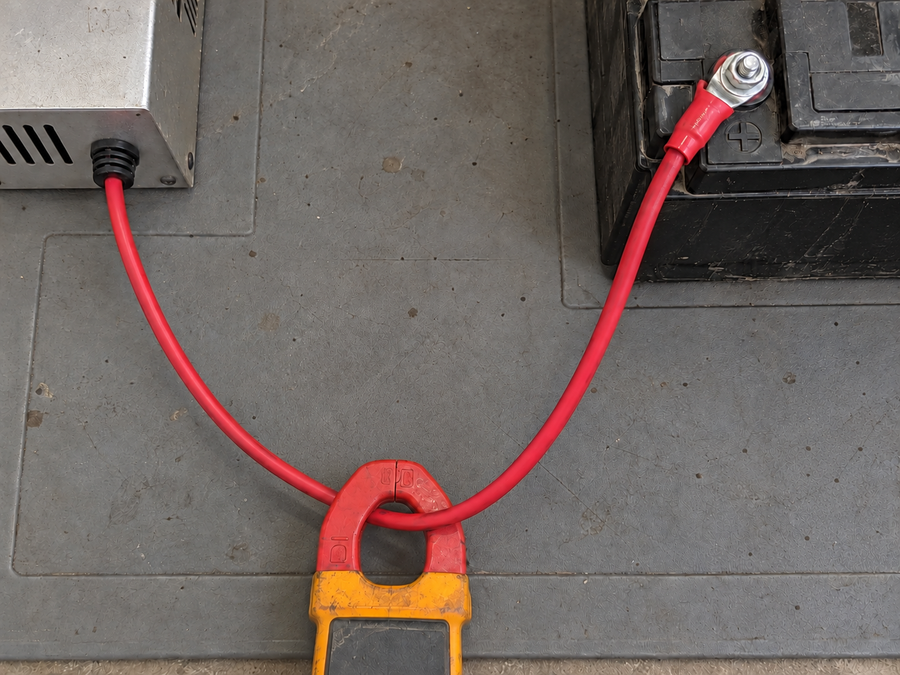
The main traction cables must carry the golf cart controller current without excess heat or voltage drop. Check cable gauge, length, lug size, insulation rating, and bend space.
The main fuse protects the wiring during an overcurrent event. Its DC voltage rating and current rating must match the battery system and cable size. The disconnect also needs a DC rating that covers the full pack voltage and expected current.
Check the package list line by line. Product photos may show installed parts or accessories that come from a separate purchase.

Also confirm terminal hardware. A cable lug needs full flat contact with the battery terminal. The bolt length must hold the lug securely without reaching the bottom of the threaded hole.
Which Parts Might Still Need to Be Purchased Separately?
You may still need mounting hardware, longer cables, protection devices, and accessory power equipment.
Common extra purchases include:
- A battery tray or support frame sized for the new case
- Hold-down bars or wide straps
- Longer traction cables with matching lugs
- A main DC fuse and fuse holder
- A DC-rated battery disconnect
- A charger port adapter
- A 48V to 12V reducer for lights, audio equipment, or USB outlets
- Bus bars for approved accessories
- Grommets, cable clamps, washers, and locknuts
A voltage reducer matters when the cart has 12V lights, horns, USB ports, or audio equipment. Select a reducer that supports the combined current of every connected accessory.
Mounting parts vary across cart models. Measure the battery bay and check the tray, hold-down points, terminal access, and cable path before ordering. A compact lithium pack may leave extra room in the bay, but the new battery still needs firm support in every direction.
A lithium golf cart conversion kit may include universal battery parts while leaving model-specific mounting pieces to the buyer. A clear package list should separate included items from optional or cart-specific parts.
Choose a Conversion Kit That Covers the Complete Upgrade
Choose a golf cart lithium conversion kit with a clearly listed battery, BMS, charger, SOC monitor, and connection hardware. Confirm every cart-specific cable, mounting part, fuse, disconnect, adapter, and voltage reducer before removing the old batteries. Keep the full parts list beside the cart during installation.
Golf Cart Lithium Conversion Kit FAQs
Q1: Does a Lithium Conversion Kit Increase Golf Cart Speed?
Usually, the top speed stays close to the original limit. The motor, controller, gearing, tire diameter, and programmed settings control maximum speed. A lighter lithium pack may change how responsive the cart feels. Any speed-related upgrade needs brakes, tires, suspension parts, and drivetrain components rated for the new operating conditions.
Q2: Can Regenerative Braking Settings Change After a Lithium Conversion?
Yes. Regenerative braking sends charging current from the motor back into the battery. Controller settings must match the BMS charge current and maximum pack voltage. When the battery is near full charge, available charging headroom is reduced, so regenerative braking settings should be checked against the battery and controller specifications.
Q3: Will Rear Seats or Larger Tires Change the Required Battery Capacity?
Yes. Rear seats increase passenger and cargo weight. Larger tires can also increase motor demand, especially during hill climbs and repeated stops. A higher capacity pack may suit carts that carry several people or use oversized tires. Estimate battery needs from total loaded weight, route distance, grades, tire size, and accessory use.
Q4: Can a Golf Cart Lithium Battery Be Reused for Stationary Energy Storage?
Sometimes. A healthy golf cart battery may work in stationary energy storage when the battery manual permits that use, the inverter matches the pack voltage, and the BMS supports the planned charge and discharge current. A used pack also needs capacity, insulation, and fault testing. A repurposed LiFePO4 battery study shows that repurposed batteries may require added hazard analysis, system integration, testing, and code review.
Q5: Where Should Old Lead-Acid Golf Cart Batteries Be Recycled?
Take old lead-acid batteries to a battery retailer, recycling center, or local household hazardous waste program. Keep each battery upright and cover exposed terminals during transport. Avoid household trash and curbside recycling bins. Lead-acid battery recycling options include retailers and local collection programs.