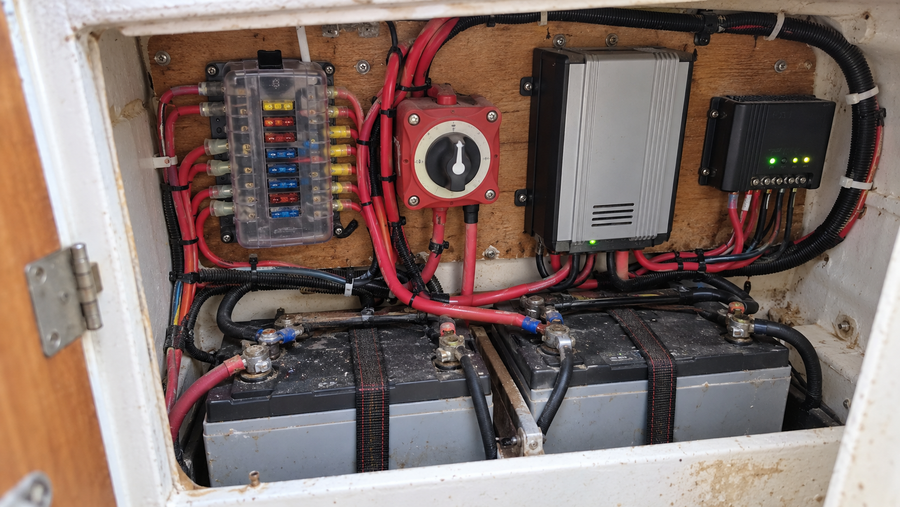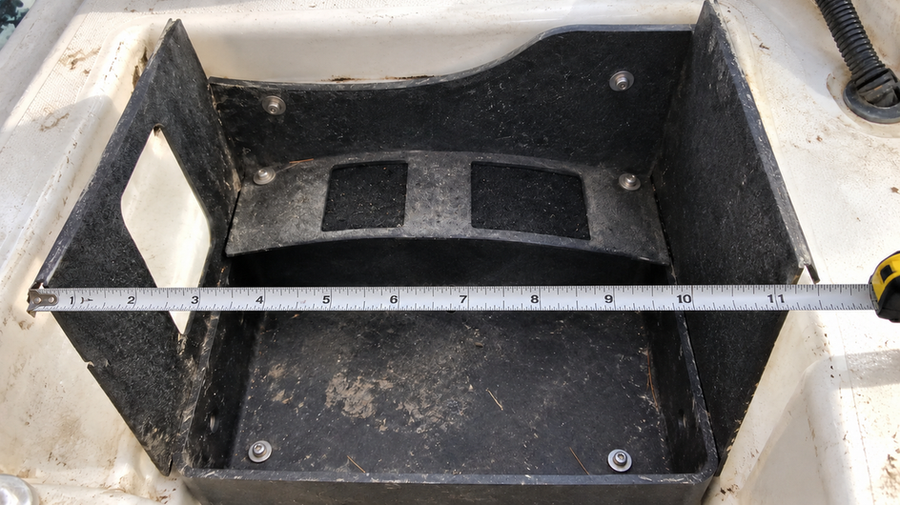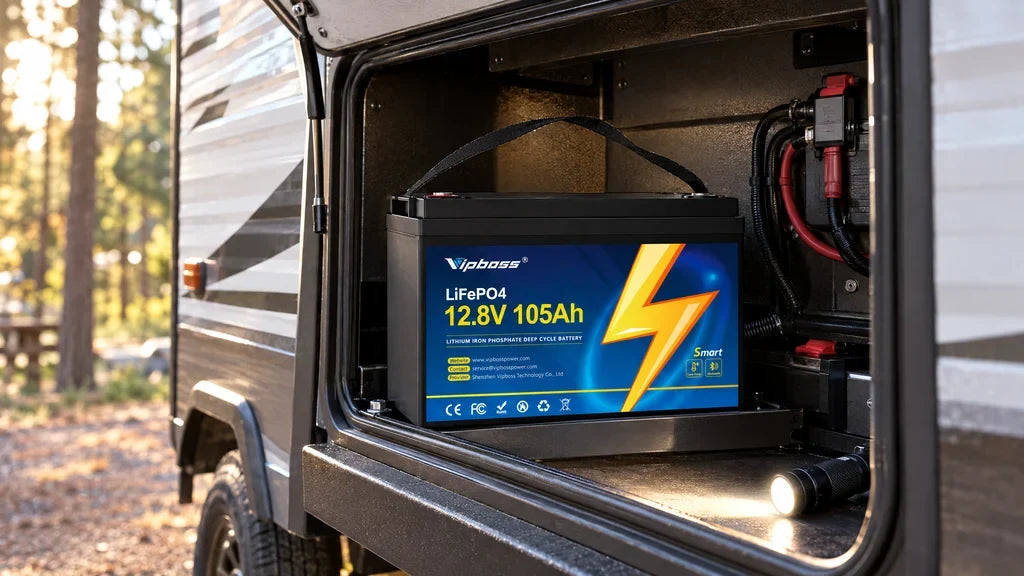

Check the label first. A 12 volt lithium battery often lists LiFePO4, LFP, lithium iron phosphate, or lithium ion. Lead acid labels may include Pb, AGM, GEL, VRLA, SLA, flooded, or wet cell. When the label is unclear, use the model number, case design, voltage, weight, and charger profile as supporting clues.
How Can the Label Identify Battery Chemistry?
The label and model number usually give you the strongest evidence of battery chemistry. Focus on exact technical terms rather than case shape, graphics, or marketing language.
Check these four details:
- Chemistry name: Look for LiFePO4, LFP, lithium iron phosphate, lithium ion, Pb, lead acid, AGM, GEL, VRLA, SLA, flooded, or wet cell.
- Nominal voltage: Many LiFePO4 batteries list 12.8V. A six-cell lead acid battery usually lists 12V.
- Charging data: A lithium label may show a charging range near 14.2V to 14.6V. A lead acid label may list separate cycle use and float voltages.
- Model number: Search the full code in the manual, receipt, installation record, or product documentation.
Recycling markings such as Li ion and Pb battery labels can add another clue. A verified model record carries more weight than a recycling symbol alone.
What Case Features Can Help?
Removable caps and visible vents usually point toward flooded lead acid, while sealed cases appear across AGM, gel, and LiFePO4 batteries.
| Case Feature | Likely Meaning | Limitation |
|---|---|---|
| Removable service caps | Usually flooded lead acid | Some caps sit under a removable cover |
| Visible vent openings | Common on flooded lead acid | Sealed batteries may also use pressure vents |
| Fully sealed case | AGM gel or LiFePO4 | A sealed case cannot confirm chemistry alone |
| Bluetooth button or data port | Often linked to a lithium BMS | Available on only some lithium models |
| Automotive posts | Common on starting batteries | Some lithium replacements also use posts |
| Threaded inserts or studs | Common on deep cycle batteries | Several chemistries use the same terminal style |
Flooded lead acid batteries release gas during charging and need suitable airflow. Lead acid battery charging requirements cover vent caps and ventilation around unsealed batteries.
Keep all caps and covers in place while inspecting the case. Confirm any physical clue against the label or model record.

Can Voltage Identify the Battery Type?
Voltage can support an identification, but a single reading cannot confirm battery chemistry. Charge level, temperature, recent charging, connected equipment, and BMS status can change the result.
Disconnect chargers and loads, allow the battery to rest, and then measure across the terminals with a digital multimeter.
| Battery Type | Resting Voltage Clue | Charging Clue |
|---|---|---|
| 12V lead acid | About 12.6V to 12.8V when fully charged | Commonly uses bulk absorption and float stages |
| 12.8V LiFePO4 | Often remains above 13V through much of its usable range | Common charging range near 14.2V to 14.6V |
Recent charging may leave a temporary surface charge on a lead acid battery. A lithium BMS may also disconnect output after a protection event and produce an unusual meter reading.
Use voltage to support information from the label, model number, and charger profile. Avoid selecting a charger from voltage alone.

Can Weight and Charger Settings Help?
Lower weight and an active lithium charging profile can support a LiFePO4 identification. Compare only batteries with similar capacity, case size, and terminal layout.
For example, a 12V 105Ah LiFePO4 battery lists a weight of about 24.2 pounds. A lead acid battery with a similar capacity will often weigh more, although exact weights vary across designs.
Check each charging device connected to the battery:
- Shore power converter
- Solar charge controller
- Alternator charger
- Portable battery charger
- Inverter charger
An active LiFePO4, LFP, or lithium setting supports a lithium identification. AGM, GEL, flooded, or Pb settings support a lead acid identification.
Many chargers offer several profiles, so the charger model itself proves little. Read the selected setting and compare it with the battery records before changing any values.

How Do Common 12V Battery Types Differ?
LiFePO4, AGM, gel, and flooded batteries differ most clearly in their labels, maintenance needs, protection features, and charger settings.
| Battery Type | Strongest Identifying Clue | Maintenance Feature | Charging Clue |
|---|---|---|---|
| LiFePO4 | 12.8V plus LFP or LiFePO4 wording | Internal BMS is common | Lithium profile |
| AGM lead acid | AGM or VRLA marking | Sealed case with no water checks | AGM profile |
| Gel lead acid | GEL or gel cell marking | Sealed gel electrolyte | Gel profile |
| Flooded lead acid | Service caps and liquid level markings | Water checks may apply | Flooded profile |
AGM and gel are both sealed lead acid designs. Their cases may look similar to lithium replacement batteries, especially when all three use the same group size.
LiFePO4 packs commonly use an internal battery management system for cell voltage, current, and temperature protection. You can review common markings and terminal layouts across 12 volt lithium battery options.
What Should You Do if the Label Is Missing?
Treat the battery as unidentified until several independent clues point to the same chemistry. Avoid charging or replacing it based only on its appearance.
Follow these steps:
- Disconnect every charging source and electrical load.
- Photograph the case, terminals, serial code, and remaining print.
- Clean the outside gently so faded markings become easier to read.
- Record the dimensions, terminal position, rated capacity, and partial model text.
- Search the full model code and serial format.
- Check receipts, manuals, installer records, and service invoices.
- Compare the active charger profile with the records you find.
- Ask a qualified battery technician to inspect the unit when the evidence remains unclear.
Keep sealed cases closed and avoid adding water based on appearance. A swollen, leaking, cracked, or heat-damaged battery needs careful handling. Use the appropriate battery recycling information when replacement is required.
Confirm the Battery Type Before Charging
Confirm the chemistry before selecting a charger or replacement battery. Use at least two matching sources, such as the model record and chemistry label, then check the voltage and active charger profile. Stop when the clues conflict and have the battery inspected. Record the confirmed chemistry, nominal voltage, capacity, and charging setting near the battery compartment before returning the electrical system to regular use.
FAQs about Battery Type
Q1: Can a Smart Battery App Confirm the Battery Chemistry?
Yes, when the app connects directly to the battery’s built in BMS and displays an exact model. A basic Bluetooth voltage monitor only reports electrical readings. Check the model name, cell count, charging limit, and battery manual shown in the app. Match those details with the physical serial number before accepting the result.
Q2: Does Battery Color Show Whether It Is Lithium or Lead Acid?
No. Black, blue, gray, red, and white cases appear across lithium and lead acid products. Color may help you match a battery with an old product photo, but manufacturers can change case designs between production runs. Use technical markings, product records, serial formats, and electrical specifications for a dependable identification.
Q3: Can a Universal Battery Tester Identify Chemistry Reliably?
No. Many universal testers ask you to choose flooded, AGM, gel, or lithium before testing begins. The test then measures condition under the selected profile. Choosing the wrong option can produce a misleading result. Identify the chemistry through product records first, then use the tester to check charge level, conductance, or general battery condition.
Q4: Is It Safe to Add an Unknown 12V Battery to an Energy Storage Bank?
No. Keep an unknown battery separate until its chemistry, voltage, capacity, age, polarity, and state of charge are confirmed. Batteries with different electrical behavior may share current unevenly during charging and discharge. Use units with compatible specifications, matched wiring, and similar condition when expanding a series or parallel energy storage bank.
Q5: Can the Manufacturing Date Help Identify the Battery Type?
Only as a secondary clue. A manufacturing code may show the production month, batch, factory, or warranty period, depending on the coding system. It rarely identifies chemistry by itself. Search the full date code together with the serial number or model family. Purchase invoices and equipment records may connect the code to a specific battery.