For most 4th of July floats, a quiet lithium battery system powering efficient LED lighting delivers bright, reliable decor without the noise, fumes, or hassles of small gas generators.
Why Quiet Battery Power Beats Gas Generators
Nothing kills the magic of a patriotic float like a rattling gas generator under the flag. Beyond the engine noise, you are dealing with exhaust near families, fuel spills on a hot July afternoon, and finicky pull-starts right as the parade rolls.
Battery systems have already powered full multi-day festivals with zero on-site emissions, as shown in battery-powered event deployments. Entertainment pros now use scalable lithium power instead of diesel generators for concerts and live events, proving these systems are tough enough for long days, stage lighting, and sound.
On a 4th of July float, the benefits are even bigger: no fuel on the trailer, no hot mufflers near kids, and almost silent operation so the crowd hears your music, MC, and cheers instead of engine drone.

The Smart Default: Lithium Power Stations On Your Float
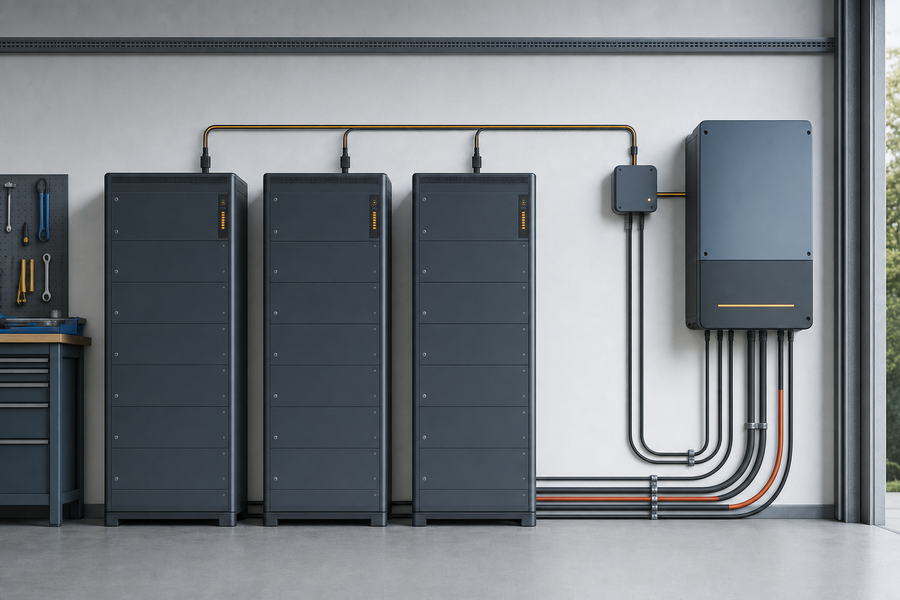
When I design power upgrade packages for floats, my first recommendation is a portable lithium power station sized to the lighting and sound load. Think of it as a silent, rechargeable power box with AC outlets and 12-volt ports built in.
If your float uses around 300 watts of LED lights, a few small motors, and a modest sound system for 4 hours, you are in the 1,200-1,500 watt-hour range. A 2,000+ watt-hour LiFePO4 station gives you healthy runtime and a buffer for last-minute add-ons without stressing the battery.
Why this is the best default for most 4th of July floats:
- Quiet: fan noise only, so your music and narration stay crisp.
- Safer: no gasoline cans or exhaust; the unit sits low and secure on the trailer.
- Fast setup: plug your float into one box; no custom wiring or extra panels.
- Reusable: back up your home, RV, or campsite the rest of the year.
For very large floats, you can run two stations in parallel or pair a station with a separate 12-volt battery bank, but most community entries run comfortably on a single mid-size unit.

Simple 12-Volt Setup for LED Parade Lights
If you prefer a DIY approach, or already own deep-cycle batteries, a 12-volt system with an inverter is a solid alternative. A 12-volt battery plus a 200-600 watt inverter is enough to run multiple LED strings because battery-operated LED light strings typically draw only a few watts each.
Here is a quick sizing example: say you run 20 strings at 5 watts each (100 watts total) for 4 hours. That is about 400 watt-hours. A 12-volt, 100 amp-hour deep-cycle battery stores roughly 1,200 watt-hours, so you are using about one-third of its energy, which is great for battery life and runtime margin.
Basic 12-volt float recipe:
- Use a 12-volt deep-cycle battery (80-100 amp-hours) and a 300-600 watt pure sine inverter.
- Choose only LED lights and low-watt props; check tags for actual wattage.
- Mount the battery and inverter in a vented, weather-protected box with strain-relieved cords.
- Recharge fully from shore power after each event; add a proper DC-DC charger if you want to top off from the tow vehicle.

Lighting Design That Saves Power and Steals the Show
Power optimization starts with design. You want bold visuals per watt, not just more plugs. Design teams are winning local parades by pairing unconventional colors with battery-powered LED lighting and motion effects instead of dense, static light walls.
For the 4th of July, build around strong red, white, and blue elements, then use targeted lighting: outline the trailer edges with LED rope, punch up flags and faces with brighter spots, and let the background stay softer. One or two animated elements, such as a waving light flag or pulsing stars, draw more attention than a chaotic mix of blinking gadgets.

For big, glowing logos or sponsor shout-outs, cordless floating light spheres can double as both decor and branding. They sip power, create a halo over the float, and avoid messy wiring up high.
Power-smart design moves:
- Outline the trailer frame with LED rope for clean, bright edges.
- Put the brightest lights on faces, flags, and key props.
- Limit yourself to one or two animated features to keep wiring and load simple.
- Mix in battery-built props (spheres, pool lights, lanterns) for depth without extra cabling.
Safety and Parade-Day Checklist
Electric and physical safety matter as much as sparkle, especially with kids and volunteers on the trailer. Aim all spotlights inward at the float, not at the crowd, and stick with cool-running LEDs so no one brushes against a hot bulb.
Instead of fabricating your own motor assemblies, consider off-the-shelf rotating tree stands for slow-turning 3D props; they are designed for continuous duty and simplify power routing through the moving element. If your total draw climbs into heavy territory with big sound rigs, fog machines, or large motors, you may need a second battery system or a carefully placed generator, but most decorative 4th of July floats stay well below that.
- Add up wattage and keep continuous load under about 70-80% of your station or inverter rating.
- The night before, run the entire float for at least 30-60 minutes and confirm nothing overheats or trips.
- Secure every cord and fixture with zip ties or tape; no loose loops where feet or flags can snag.
- Keep batteries and power gear low, away from railings and drinks, with a clear do-not-touch zone.
- Pack spare fuses, a couple of extension cords, tape, and one backup LED string for fast fixes.
Do this right, and your float delivers bright, patriotic impact all evening, powered quietly, cleanly, and confidently from a mobile lithium system built for the modern parade.