


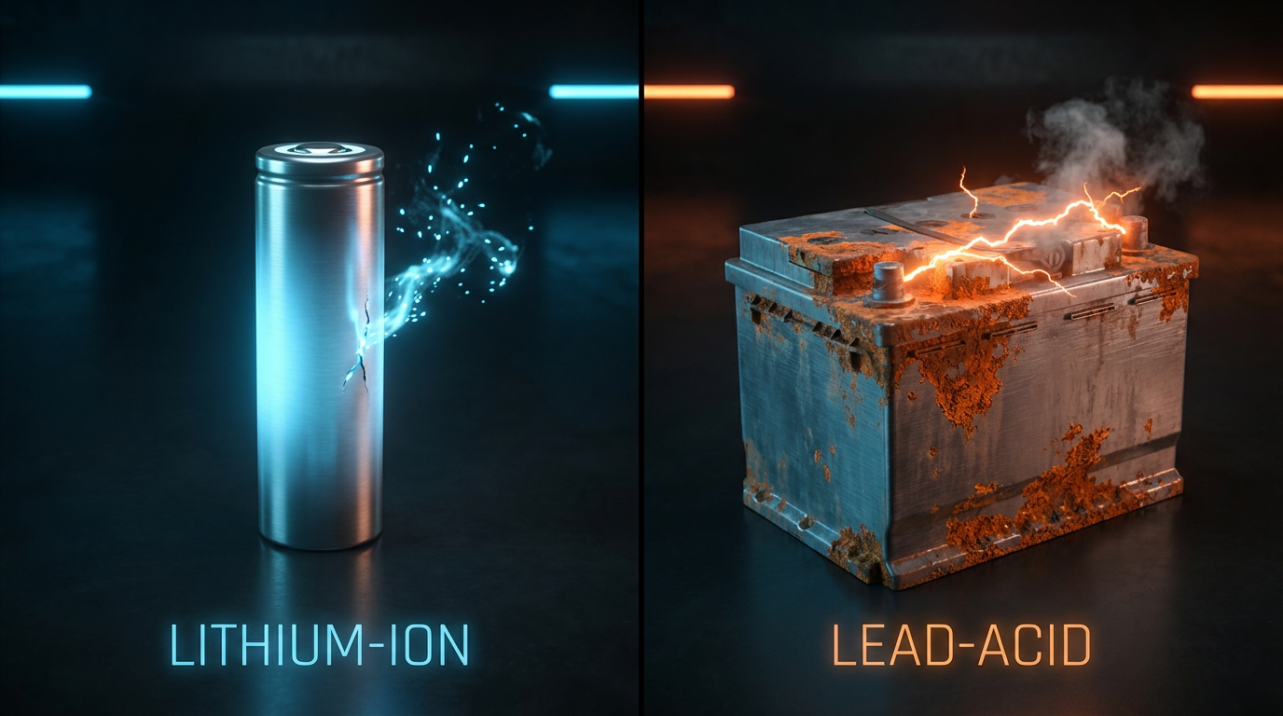
Self-Discharge Rate: Why Lithium Still Has Power After 6 Months While Lead-Acid Dies
A battery's self-discharge rate explains why lithium holds power for months in storage while lead-acid often dies. Get the data on how each chemistry loses charge.

Charger Light Stays Green: Is the Battery Full or Just Not Connecting?
A charger light that stays green usually signals a full battery, but it can be misleading. Get clear steps to diagnose if the issue is a weak battery or a faulty charger.
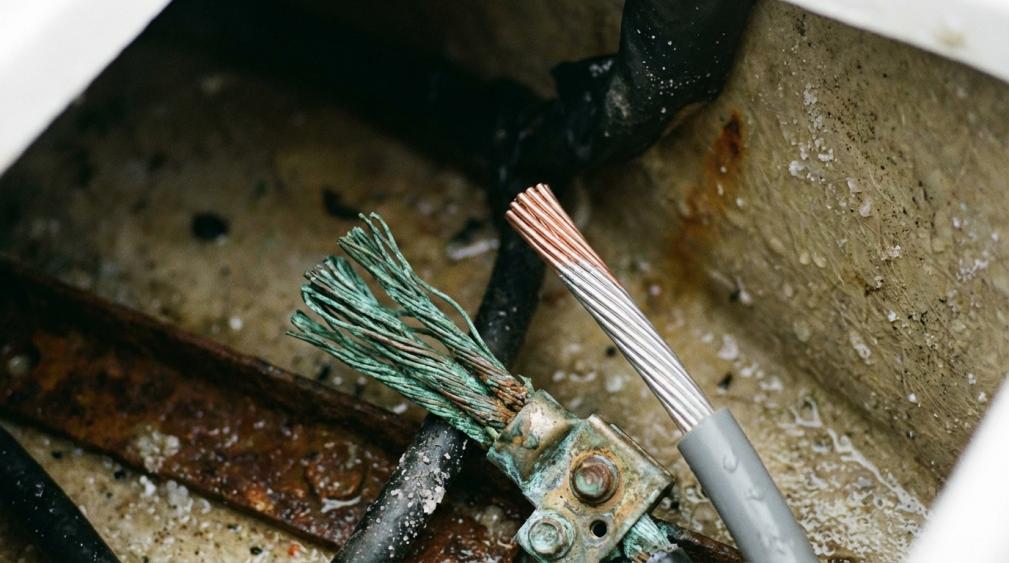
Tinned Copper vs. Bare Copper Wire: Is It Worth the Extra Cost in Marine Environments?
Tinned copper vs. bare copper wire is a key choice for boat electrical systems. Tinned wire's superior corrosion resistance prevents power failures and voltage drops in saltwater.
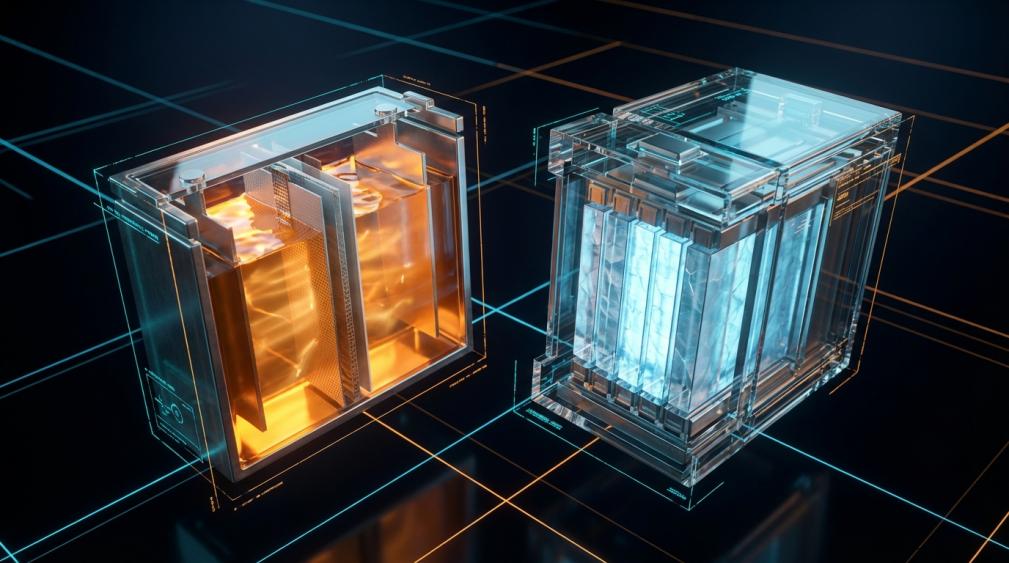
Outlook 2030: Will Solid-State Batteries Obsolete LiFePO4 Anytime Soon?
Solid-State batteries vs LiFePO4 is the key debate for future storage. By 2030, solid-state will power premium EVs, but LiFePO4 remains the proven workhorse for solar & off-grid systems.

Just an Expense? Calculate How Much in Campsite Fees LiFePO4 Can Save You Over 10 Years
LiFePO4 campsite fees add up. This guide shows how a lithium power system reduces your RV electricity costs with real-world calculations for 10-year savings. Stop paying for hookups.
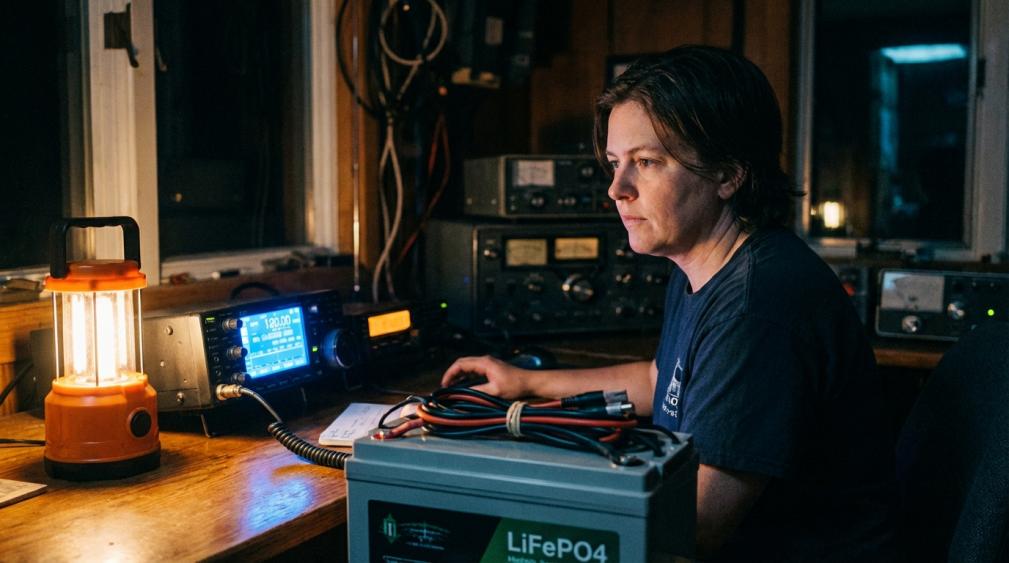
Ham Radio Operators: Do LiFePO4 Batteries Generate RF Interference (RFI)?
LiFePO4 batteries themselves are RF-quiet. RFI in ham radio stations usually stems from chargers, controllers, and poor wiring. Get proven methods to mitigate noise.