
Roasting a full Thanksgiving turkey in an electric oven in your RV is ambitious but absolutely possible when your batteries, inverter, and cooking plan are ready for it. For most rigs, it is a "manage it, don't wing it" project rather than a hard no.
Electric roaster ovens and compact RV ovens have already proven they can turn out golden, juicy holiday turkeys in tight kitchens, even handling birds up to the mid-20-pound range when cooks follow a solid plan. With the right power strategy and a few cooking tweaks, you can decide whether your own battery bank can carry that feast, how to roast efficiently, and what backup moves keep dinner on track even if the math says "not this year."
Can an Electric RV Oven Actually Roast a Thanksgiving Turkey?
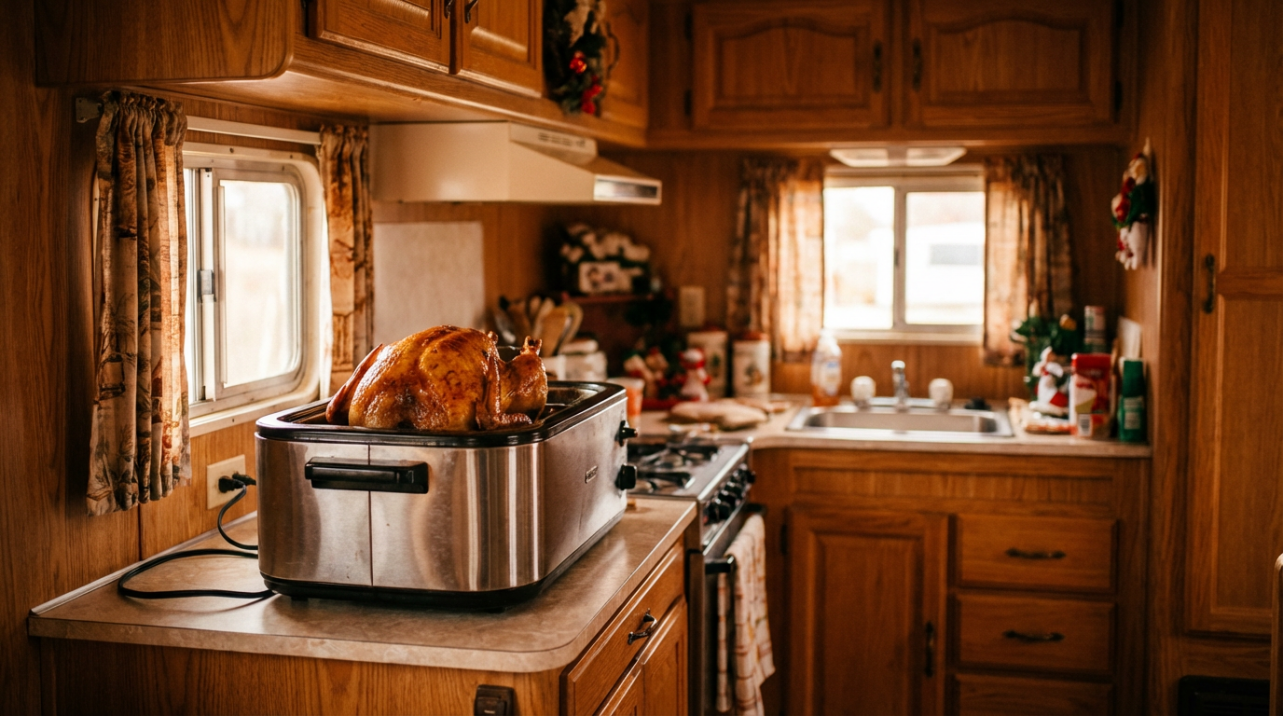
Electric roaster ovens are compact, lidded countertop units that mimic a conventional oven's gentle heat and often cook faster because of their tight lids and smaller cavities. They have a strong track record of producing golden-brown whole turkeys with moist meat and holiday-worthy flavor rather than a steamed texture when used correctly. Turkey-in-a-roaster guides describe loading a fully thawed bird into a preheated electric roaster, brushing the skin with seasoned oil or butter, and roasting until the breast and thigh hit safe temperatures, emphasizing that the results are truly roasted, not soggy.
A popular whole-turkey method developed specifically for electric roaster ovens was created because the author could not find reliable guidance, and those "tried and true" tips challenge the myth that roasters ruin texture by steaming the meat. That approach treats the roaster as a dedicated holiday appliance that, when used with care, delivers moist, showpiece turkeys over multiple seasons. Perfect-turkey recipes reinforce this experience, focusing on flavor and appearance rather than compromise.
For RVers, the hardware constraints are real, but they can work in your favor if you size the bird smartly. RV cooking guides note that built-in ovens are small and typically fit turkeys under about 12 pounds, so cooks are told to measure the interior, use a stone or similar heat sink, and plan on rotating the turkey during a 3 to 3.5 hour bake before resting it 20 to 30 minutes. Affordable electric roaster ovens usually live on the counter or picnic table and can handle birds up to roughly 26 pounds, all while freeing the RV's main oven for side dishes. RV-focused turkey advice also stresses using a meat thermometer and aiming for at least 165°F in both breast and thigh as the nonnegotiable safety target.
Inside the roaster itself, cooking physics are on your side. One reliable method is to preheat the electric roaster to around 450°F, start the turkey hot to jump-start browning, then drop to about 325°F to finish slowly, adding broth to keep the environment moist and cooking primarily by temperature rather than by the clock. Step-by-step roaster instructions recommend using the thermometer as the boss, targeting roughly 165°F in the breast and 180°F in the thigh while keeping the lid closed as much as possible because each peek can drop the internal temperature and lengthen cook time. Another proven path to juiciness uses a low-and-slow phase around 275°F for roughly 10 minutes per pound, followed by a higher-heat stage near 375°F to finish browning and crisping once the turkey is nearly done, with the bird coming out of the oven just shy of its final temperature so carryover heat can gently bring it up to around 165°F while it rests. Combined with 15 to 30 minutes of resting time before carving, these approaches are designed to produce a consistently juicy turkey rather than a dry one.

Crispy, deeply browned skin is the one area where electric roasters, especially lidded models, can lag behind a big dry oven, but there are reliable fixes. Experienced roaster users emphasize patting the turkey completely dry, then coating the skin generously with oil or butter to drive off surface moisture and promote browning; butter in particular helps both crisp and color the skin. If the turkey still looks pale when it is safely cooked, a short finish under a broiler or on an infrared grill can quickly transform the exterior without drying out the meat, as long as you watch closely and only give it a couple of minutes. Roaster-oven turkey tutorials and explanations of infrared cooking and broiling highlight how intense radiant heat can add color and texture very quickly, so moderation and close attention are key.
Taken together, the cooking evidence is clear: a properly used electric roaster or compact RV oven can deliver a classic Thanksgiving turkey with safe internal temperatures, golden skin, and juicy meat. The real question is not "Will it cook well?" but "Can your batteries comfortably support the long, hot ride?"
What Does a Turkey Roast Look Like in Battery Terms?
From a power perspective, roasting a whole turkey is one of the most demanding cooking jobs you can assign to an off-grid RV because it combines high heat with long duration. Most countertop electric ovens and roaster ovens sit in the low-thousands of watts, and whole-bird guidance runs around 10 to 12 minutes per pound or roughly 3 hours of oven time for a midsize turkey in an RV oven. That means your inverter has to deliver a fairly heavy continuous draw for a big chunk of the day. Those cook-time estimates come straight from turkey-roasting tutorials that recommend time-per-pound formulas and several-hour ranges for mid-teens birds, alongside strict instructions to cook to temperature, not time, with an instant-read thermometer as the final authority. Brined-turkey methods and electric-roaster guidelines both describe this long and steady heat requirement, while RV-specific advice calls for 3 to 3.5 hours at 350°F for many setups.
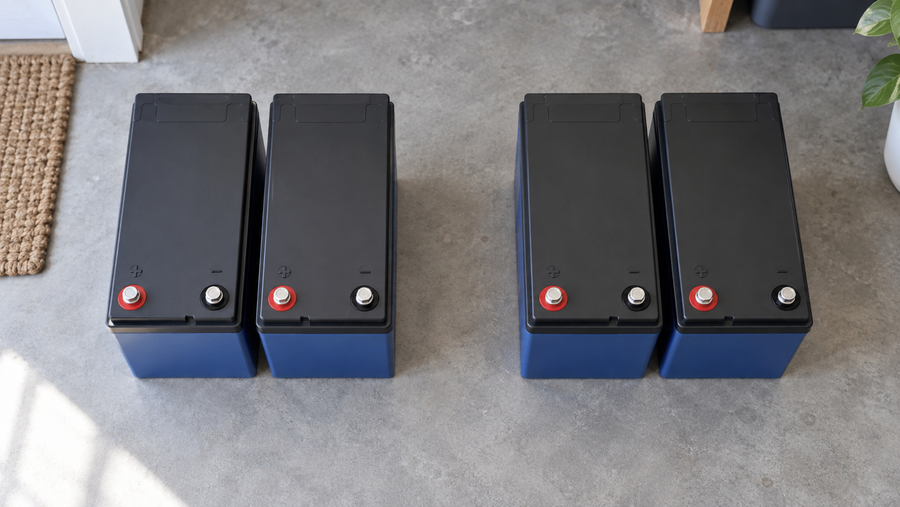
To translate that into battery language, you start by checking the oven's or roaster's nameplate wattage and your inverter rating, then compare the energy the turkey will need to your usable battery capacity. If your roaster, for example, is rated around 1,500 watts and you expect about 3 hours of active heating, that is roughly 4,500 watt-hours of energy. Your battery bank's usable capacity, often expressed in kilowatt-hours, needs to comfortably exceed that figure once you factor in inverter losses and everything else running in the RV, from the furnace fan and water pump to lights and electronics. If your usable capacity is much lower than the roast's projected energy demand, trying to cook the turkey entirely on batteries risks tripping the inverter, dropping voltage low enough to upset sensitive electronics, or forcing your bank deep into its state of charge in a way that shortens battery life over time.

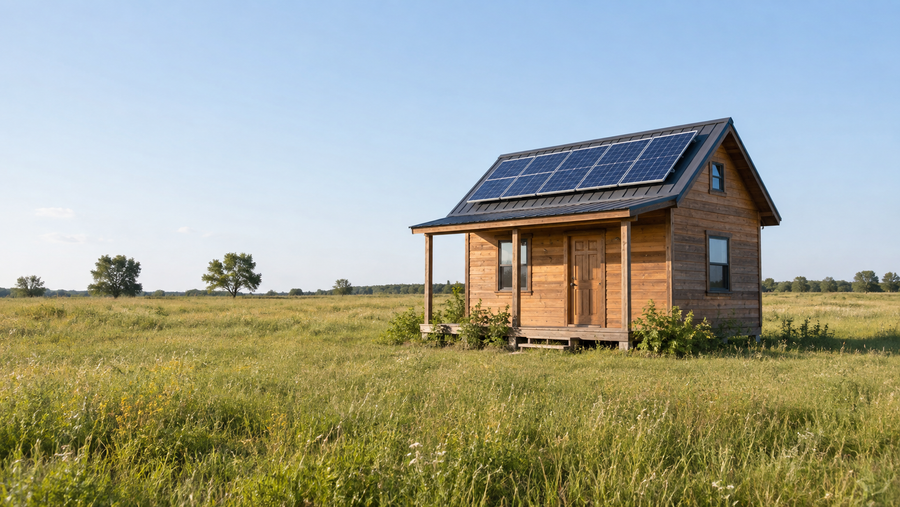
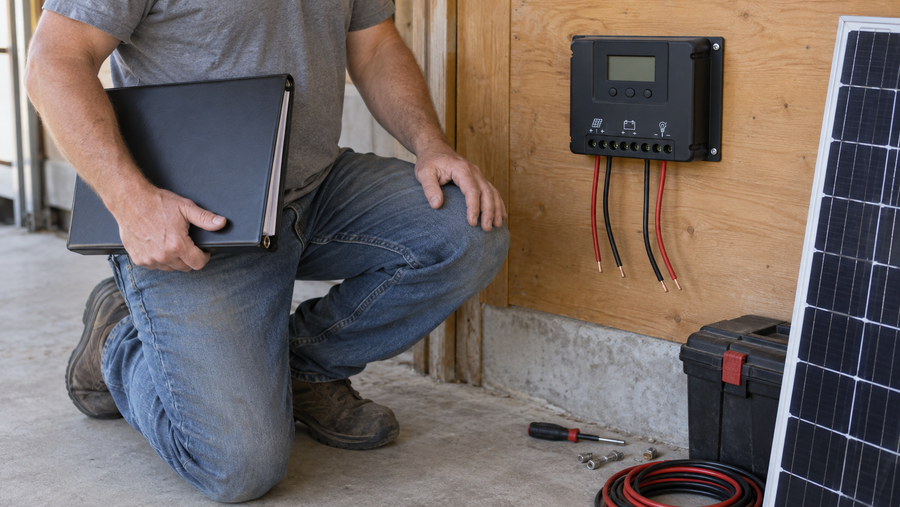
The practical rule of thumb is to treat a whole-turkey roast as a special-event load rather than just another appliance. Before committing, test your oven under real conditions by running it at roasting temperature for 20 or 30 minutes on batteries while monitoring voltage and inverter temperature. If the system runs hot, sags, or complains, scale back your expectations or plan to supplement with a generator or shore power for the actual holiday cook. Schedule the roast for the brightest part of the day if you rely on solar so panels can shoulder some of the load, avoid running other big electrical draws such as air conditioners and hair dryers during the cook, and keep unnecessary DC loads to a minimum. If you design your lithium bank and inverter with this use case in mind, treating the turkey as the single biggest draw of the year rather than an afterthought, roasting on batteries becomes an intentional, manageable project rather than a gamble.
How to Roast a Turkey Efficiently in an RV Electric Oven or Roaster
The safest and most power-efficient RV turkey begins in the refrigerator, not the oven. Roasting guides for electric roasters insist you fully thaw the turkey in the fridge and never cook from frozen, giving about 24 hours in the refrigerator for every 5 pounds of bird; for example, a 15-pound turkey needs roughly 3 to 4 days. They also recommend removing the neck and giblets, rinsing if you choose, and drying the bird thoroughly before seasoning. Detailed electric-roaster instructions frame this prep as nonnegotiable for even cooking and food safety.
Brining is a powerful efficiency tool because it buys you margin for error and keeps the meat forgiving if battery constraints make your timing less precise than in a sticks-and-bricks kitchen. Apple-cider-based wet brines, packed with herbs and spices, are widely praised for producing juicy, flavorful turkey throughout, not just on the surface. Holiday-turkey tips and roaster-specific brining advice both highlight brining as one of the small, low-effort steps that add up to reliably moist results, even offering apple-cider brines that can be used once the giblets and neck are removable from a partially frozen bird as long as everything stays refrigerated. In an RV context, that extra moisture cushion is valuable if voltage dips, cloud cover, or a late-arriving guest stretches your cook schedule.
Inside the oven or roaster, think in phases. A high-heat start near 450°F for 30 to 45 minutes can accelerate browning and help crisp the skin, after which you reduce to roughly 325°F and add broth to the pan or roaster well to maintain a moist environment and steady heat while the turkey coasts up to its target temperatures. Another proven pattern is to roast at a lower temperature, around 275°F, for roughly 10 minutes per pound and then increase the oven to about 375°F for a final browning stage. Both strategies rely on using a thermometer rather than the timer as the primary decision maker, with most recommendations converging around 165°F in the thickest parts of the breast and thigh, knowing that carryover heat during resting will finish the job. RV turkey guidance reinforces the importance of verifying internal temperature in both thigh and breast and resting the bird 20 to 30 minutes before carving so juices redistribute.
Crisp skin in a humid roaster environment takes a bit of finesse, but it is well within reach. The first move is to eliminate surface moisture by thoroughly drying the turkey, then rubbing the skin generously with oil or butter so the heat can brown instead of steam it. Butter has the bonus of helping deepen color. If, after hitting your food-safety temperatures, the skin still looks pale, a short finishing step under a broiler or on an infrared grill adds intense radiant heat that crisps and browns the surface very quickly. Specific roaster-oven turkey instructions suggest this quick broiler finish as a simple way to rescue less-than-crisp skin, stressing that you should stay close by because it only takes a couple of minutes to transform the appearance.
Sizing the bird to your oven and guest list is another efficiency lever that matters electrically as well as logistically.

One practical rule is to plan about 1.5 pounds of raw turkey per person, or about 2 pounds per person if you like leftovers; for 10 diners who expect extra turkey sandwiches, that implies a bird near 20 pounds. Electric roaster makers note that common roaster sizes range from 16 to 22 quarts and suggest a rough capacity rule of "roaster volume in quarts plus about 4 pounds" as the maximum turkey weight. In other words, a 20-quart roaster can comfortably handle around a 24-pound bird, and these appliances tend to work best when they are at least half to two-thirds full so they do not overcook a small turkey in a too-large cavity. For an RV on batteries, all of this nudges you toward a moderate-size bird that matches both your roaster and your power budget rather than automatically reaching for the biggest turkey in the store.
Make-ahead strategies can extend your power optimization. Electric-roaster specialists describe cooking the turkey up to 3 days in advance, cooling, slicing, and refrigerating it, then reheating with a splash of broth in a 325°F oven or roaster and holding it on the warm setting until serving. This method spreads the power demand over multiple days or ties it to a time when you have shore power, while still delivering tender, flavorful turkey on the holiday itself. Make-ahead turkey approaches are particularly attractive for RVers because they dramatically cut the heavy, same-day power draw.
Why Electric Cooking Often Wins for Health and Safety in Small Spaces
In a small RV, what heats your turkey also shapes the air you breathe while you cook. Research on household stoves shows that gas and propane burners emit substantial nitrogen dioxide, a pollutant linked to higher risks of asthma and other heart and lung conditions, and that switching from gas to electric can significantly cut long-term exposure, especially for heavy stove users and people in smaller homes. A nationwide modeling effort comparing gas and propane stoves to electric options found that replacing gas burners with electric ones reduced nitrogen dioxide exposure by more than a quarter on average across the United States and by about half for the heaviest users, with gas stove emissions sometimes making indoor spikes comparable to or higher than typical outdoor levels. Analyses of gas and propane stove pollution emphasize that indoor air quality is an underappreciated health risk and that electrification is a practical way to lower it.
Even among electric and gas users alike, what you cook and how you ventilate matters. Indoor-air experts point out that as organic food matter heats, it releases gases and particles similar to combustion products regardless of the fuel, which means boiling, roasting, and frying can all add pollutants to your kitchen air. Gas stoves generate more contaminants overall than electric ones, but any cooking in a confined space benefits from good ventilation, such as a functioning exhaust fan that vents outside or at least open windows to provide airflow. Comparisons of gas and electric stoves recommend optimizing kitchen ventilation and keeping equipment well maintained to minimize contaminants and gas leaks. In an RV galley, where volume is tiny and windows are close at hand, this translates into running fans, cracking windows high and low, and positioning portable electric cookers or roasters where steam and cooking fumes can escape rather than build up.
The global experience with household air pollution also underscores why cleaner cooking options matter off-grid. Studies of households that cook with biomass on simple stoves or open fires highlight that cooking smoke contributes to millions of premature deaths each year, particularly affecting women and children who spend more time near the fire. Field work that introduced improved, cleaner-burning cookstoves showed reduced exposure to some pollutants and clear potential health benefits, but it also revealed that many households continue using traditional open fires alongside new stoves, a behavior pattern known as "stove stacking." This finding reminds us that technology alone is not enough; people need options that fit their habits, budgets, and spaces to fully shift away from smoky or high-pollution setups. Research on cleaner cookstove adoption stresses that affordability, cultural fit, and trust all shape whether cleaner options truly replace older ones.
For RVers using portable camping gas appliances, safety guidance is even more direct. Gas camping cookers in confined spaces can produce dangerous carbon monoxide if flames are cooled by oversized pots, misused trivets, or poor ventilation, and faulty appliances can emit hazardous levels of carbon monoxide even when ventilation appears adequate. Safety agencies recommend operating camping gas appliances outdoors whenever possible and ensuring generous cross-ventilation, with openings at both high and low levels, if they must be used indoors, particularly in small tents, cars, or poorly ventilated caravans. They also warn that LPG canisters, which hold propane or butane, can rupture if overheated and can explode if an ignition source is present, and they urge users to store canisters away from direct heat and sunlight. Camping appliance safety guidance summarizes these risks and best practices.
An electric oven or roaster powered by batteries, shore power, or a generator avoids combustion emissions inside your RV and keeps explosive fuel out of the living space, though you still need to manage cooking fumes and heat with good ventilation. Basic electric-cooker safety advice also applies: inspect cords and plugs, make sure the appliance is plugged into a grounded outlet, keep flammable items away from hot surfaces, never leave it unattended, and avoid misuses such as lining the oven bottom with foil in ways that block airflow or overload heating elements. Electric-cooker safety tips stress regular cleaning to prevent grease fires and shutting the cooker off fully after use. From a health and safety standpoint, electrifying your Thanksgiving turkey inside the RV is often a win, provided your power system is ready for the load and your ventilation strategy is solid.

Smart Backup Moves When Batteries Are Not Up for the Feast
If your watt-hour math or test run says a full-bird electric roast is too much for your current bank, that does not mean you have to give up on Thanksgiving in the rig; it just means you shift from "all in on batteries" to a hybrid strategy. One simple move is to right-size the bird. Portion guidelines suggest planning roughly 1.5 pounds of raw turkey per person, or up to 2 pounds if you want leftovers, so for a small group of four or five that might mean an 8 to 10-pound bird instead of a 20-pound giant, cutting both cook time and peak power draw while still feeding everyone comfortably. Turkey sizing recommendations encourage matching bird size to both the guest count and your roaster's capacity.
Another power-friendly approach is to cook ahead where grid power is easy and reheat gently on the holiday. Electric-roaster experts describe cooking a turkey up to 3 days in advance, cooling, carving, and refrigerating it, then reheating slices with a bit of broth in a 325°F oven or roaster and holding them on a warm setting until serving. For RVers, this strategy lets you do the heavy lifting on shore power in a driveway, park, or campground and then lean on your batteries for a much lighter warm-and-hold duty on Thanksgiving Day, slashing the amp-hour burden while still enjoying a classic turkey dinner. Make-ahead turkey techniques are designed for this kind of flexible timing.
You can also diversify your cooking methods to spread both risk and energy use. RV cooking guides outline three main approaches for turkey: the built-in RV oven, an electric roaster, and outdoor deep-frying. They note that RV ovens are small and call for careful measurement and rotation but can roast birds under about 12 pounds; electric roasters free the oven for sides and can accommodate much larger turkeys; and deep-frying delivers a very juicy bird with crispy skin as long as you fry a fully thawed turkey under about 15 pounds outdoors, away from the RV, at an oil temperature monitored with a thermometer. RV turkey-cooking overviews stress using a meat thermometer for all three methods and resting the bird after cooking. Combined with safety guidance urging that gas camping appliances and hot oil never be used inside small enclosures because of carbon monoxide and explosion risks, this pushes any frying and most gas cooking outdoors where heat and emissions can dissipate. Camping appliance safety recommendations reinforce this outdoor-only rule for deep-frying and high-output camp stoves.
Solar cooking is another tool that pairs naturally with off-grid RV life and can lighten the load on both propane tanks and batteries. Solar cooking systems use reflectors and insulated boxes or tubes to focus sunlight and trap heat, and box-style solar ovens can reach around 400°F while parabolic cookers can approach about 500°F in good sun, which is enough for roasting, baking, and grilling. From a user's standpoint, solar cooking tends to be "set and forget," with food cooking slowly at lower temperatures and much less risk of burning, while producing zero on-site emissions and saving other fuels. Solar cooking discussions note that globally, millions of solar cookers have been manufactured, cutting carbon emissions and reducing the need for wood and charcoal, and that many designs are lightweight and portable enough for camping and emergency use. For an RV Thanksgiving, that might mean letting a solar box oven handle side dishes like stuffing, sweet potatoes, or desserts in sunny weather while you reserve your electric oven or propane for the turkey itself, or even roasting a smaller turkey or turkey breast entirely on solar heat in ideal conditions.
All of these options can be combined. You might brine and partially roast the turkey on shore power, finish browning under a broiler or infrared grill, then reheat slices gently on batteries the next day, while letting solar cookers or a small induction hob handle the sides. What matters most is that the big energy decisions are made consciously and early, not in a panic when your inverter alarms halfway through the roast.
A full Thanksgiving turkey in an electric RV oven is not too crazy for batteries; it is simply a stress test that exposes whether your power system and cooking plan are truly holiday-ready. Size the bird and roaster to your rig, run the numbers on watt-hours, build smart ventilation and safety habits, and keep a backup cooking strategy in your pocket so the only drama on Thanksgiving is who gets the last slice of pie, not whether the turkey finishes before the lights go out.