
A golf-cart wiring harness may fit a lithium conversion, but the battery chemistry alone does not prove compatibility. Start by matching your cart's system voltage to the conversion kit, then compare the harness connectors, cable length, cable condition, and required current path; if any of those do not match, use the kit's supplied cables or obtain the correct replacement before connecting the battery.
Match the cart voltage and connection path first
A 36V cart needs a conversion setup intended for a 36V system. A harness that physically reaches the battery can still be wrong if its connectors, cable size, polarity, or connection path do not match the cart and the battery system.

Check these points with the cart switched off and disconnected from its charger:
- Confirm the cart's system voltage from its existing battery arrangement or vehicle documentation.
- Compare the positive and negative connection points with the lithium battery's terminals.
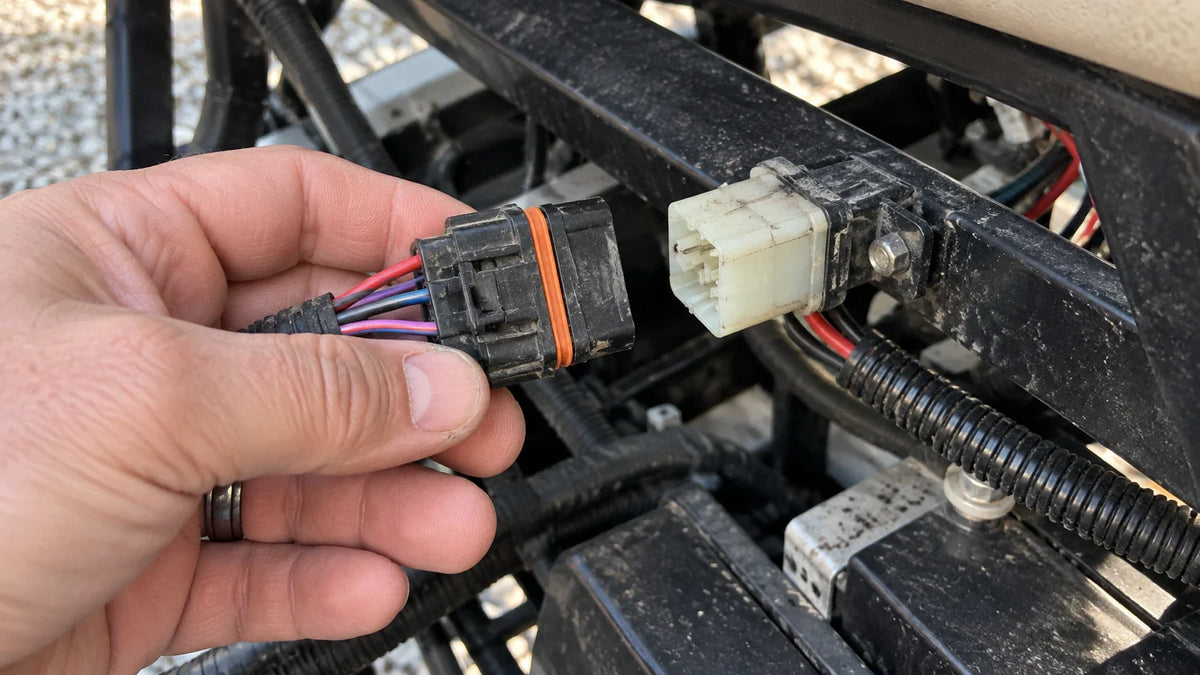
- Check that the connectors lock correctly and cannot be installed with reversed polarity.
- Trace the cable route from the battery area to the controller, charger, monitor, or other equipment that the conversion requires.
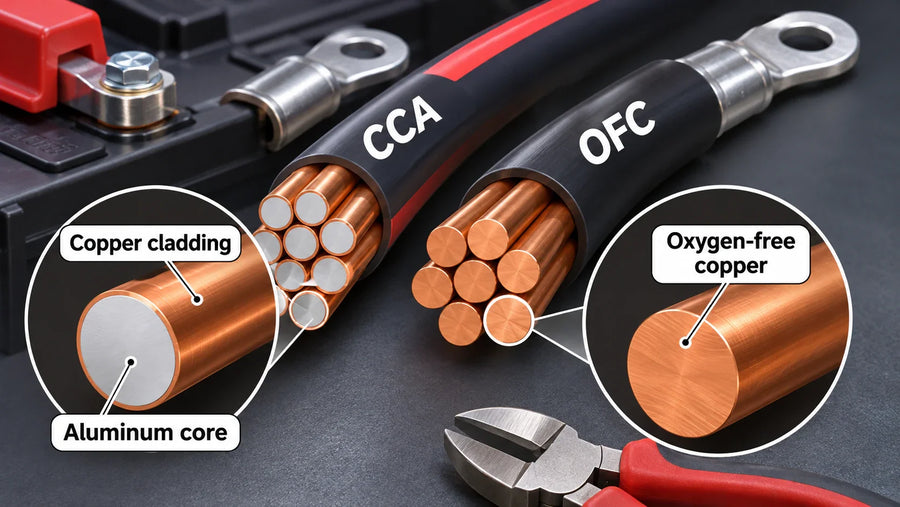
- Replace cables with damaged insulation, heat marks, corrosion, loose terminals, or exposed strands.
Do not force a connector because it is close in shape. A connector that does not seat securely can create a loose electrical connection, while a cable that is too short can place strain on the terminal or connector.
When a matched 36V conversion kit is useful
If you are replacing the battery system rather than repairing one cable, a complete conversion package keeps the core components together. The Vipboss 36V 105Ah Lithium Golf Cart Battery Conversion Kit includes a charger, cables, connector parts, and a monitor, so it is a practical starting point for a compatible 36V lithium conversion.
Use the kit documentation to map the supplied cables and connectors to your cart's battery terminals, charging connection, and monitor location before installation. This quick comparison helps you plan a clean cable route and identify any cart-specific connection detail before you begin.
When your existing harness is not a safe fit
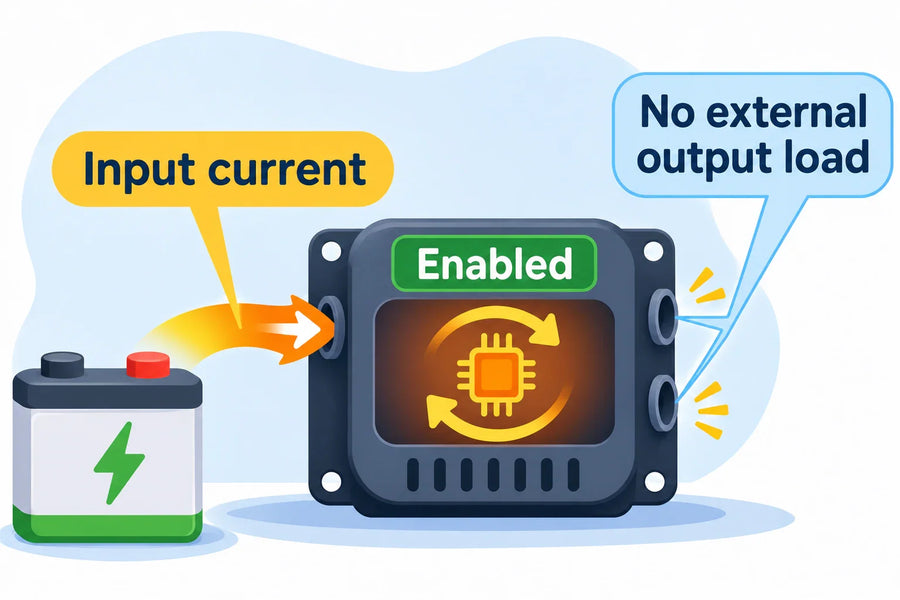
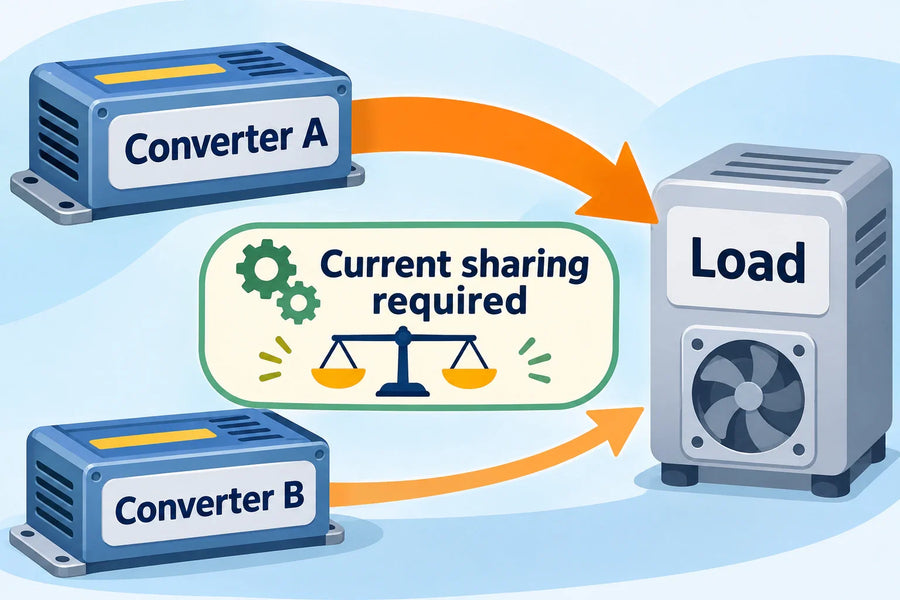
Your existing harness is not ready to reuse when the voltage does not match, the terminals or connectors are different, the cable cannot reach without tension, or the insulation and terminals show damage. It is also not enough to confirm that the battery will power the cart: the charger, controller, monitor, and any voltage-conversion components must be connected in a way intended for that system.
For example, a 36V cart with clean cables and matching terminals may be able to reuse part of its existing wiring after the conversion instructions confirm the connection path. A 36V cart with different connectors or a damaged harness needs the correct replacement cables or connector parts instead. The visible result you want is a secure, strain-free connection with correct polarity and no damaged conductors—not merely a plug that can be pushed into place.
If the voltage, connector identity, polarity, or connection path is unclear, stop before energizing the system and use the conversion kit's installation instructions or a qualified golf-cart technician. Lithium batteries can deliver high current, so a guessed connection is not a useful compatibility test.