
No—do not charge while the charger is outside its stated operating-temperature range. Check the temperature where the charger is operating, compare it with the range on the charger or manual, and pause if the reading is below the minimum or above the maximum. Resume only after the equipment is back within range and shows no signs of moisture, damage, or overheating.
What an operating-temperature range means
The range describes the conditions in which the charger is intended to operate. It is different from the battery’s own charging-temperature range, which may be narrower. Both limits matter: the charger and the battery must each be suitable for the current conditions.
Treat the endpoints as boundaries, not targets. A charger rated from -4°F to 113°F (-20°C to 45°C) is specified for use within that span. A reading below -4°F or above 113°F is outside the stated operating range, even if it is only slightly outside.
Do not use an outdoor rating as permission to ignore temperature limits. A weather-resistant enclosure can help protect against environmental exposure, but it does not expand the temperature range.
What to do when the temperature is outside the range
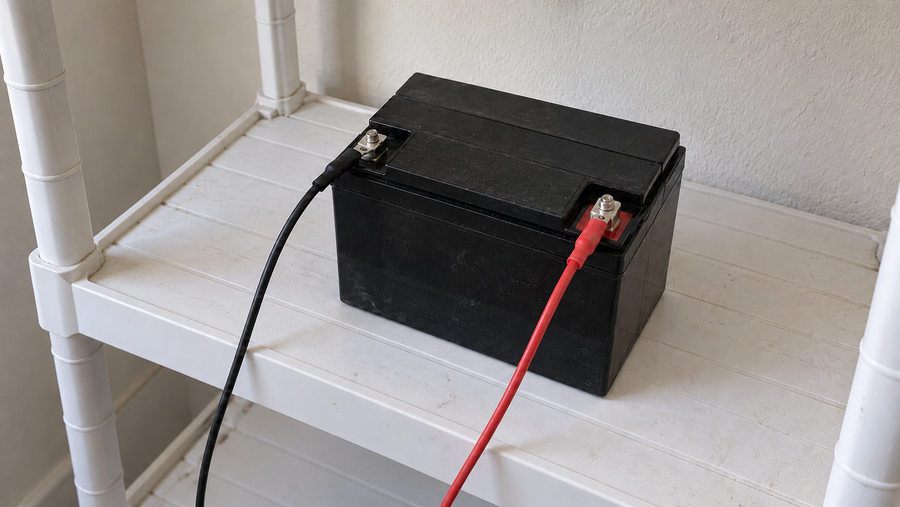
If the temperature is below the minimum, do not begin or continue charging. Move the charger and battery to a dry location within the allowed range when the equipment can be moved safely, then allow the temperature to return to that range before reconnecting power.
If the temperature is above the maximum, stop charging and let the charger cool in a dry, ventilated location. Do not cover it or place it against a heat source. If the charger remains hot, shows a fault, smells burnt, or has visible damage, leave it disconnected and arrange qualified service rather than restarting it repeatedly.
If the reading is within range but the battery is extremely cold or hot, use the battery manufacturer’s charging limit instead. The charger’s operating range does not override a separate battery or battery-management-system restriction.
A concrete product example

The Vipboss 36V 25A Lithium Battery Charger is supplied with an operating-temperature range of -4°F to 113°F (-20°C to 45°C). For this charger, a dry outdoor reading of 20°F is within the stated range, while 0°F is below it and 120°F is above it. The correct response to either out-of-range reading is to wait or move the charging setup to suitable conditions—not to compensate by shortening the charging time.
This charger is suitable when the connected battery is a compatible 36V LiFePO4 battery and the surrounding conditions remain within that range. The temperature specification alone does not establish compatibility with a different battery voltage, chemistry, or charging requirement.
How to handle a borderline reading
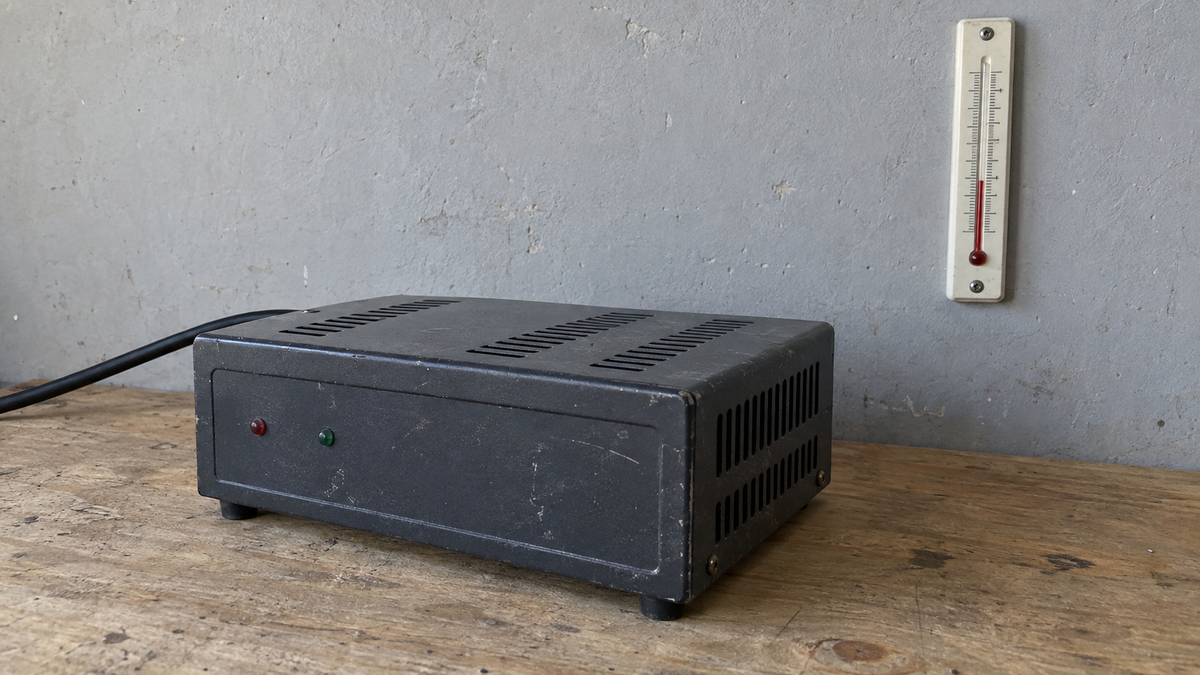
Use a reliable thermometer near the charger and avoid judging the temperature by how the air feels. If the reading is close to an endpoint, allow a margin for measurement error and changing conditions rather than starting at the limit. Recheck before connecting the charger, especially when direct sun, snow, or a hot enclosure could make the charger itself warmer or colder than the surrounding air.
The practical rule is simple: identify the charger’s minimum and maximum operating temperatures, check the actual conditions, and keep charging paused whenever either limit is exceeded. If the charger’s label or manual gives a different range, follow that model-specific range instead.
Frequently asked questions
Can I use a battery charger below its minimum operating temperature?
No. Keep charging paused while the charger is below its stated minimum, even if it is only slightly outside the range. Move the equipment to a dry, suitable location when safe and allow it to return to an acceptable temperature before reconnecting it.
Is the charger's operating-temperature range the same as the battery's charging range?
Not necessarily. The battery may have a narrower charging-temperature range than the charger, especially when its BMS imposes separate limits. Charging is appropriate only when both the charger and battery are within their respective limits.
Does an IP65 rating mean the charger can operate at any outdoor temperature?
No. An IP rating describes protection against ingress and does not expand the specified operating-temperature range. Outdoor use must still satisfy the charger's temperature, placement, and connection requirements.
Where should I measure the temperature before charging?
Measure near the charger in the actual operating location, away from misleading conditions that do not represent the equipment's environment. Direct sunlight, a hot enclosure, snow, or a cold surface can make the charger itself differ from the general outdoor temperature.
Can I restart the charger as soon as the temperature returns within range?
Only if the charger and battery are dry, undamaged, within their own permitted ranges, and show no fault or abnormal heat. If the charger remains hot, smells burnt, or repeatedly stops, leave it disconnected and arrange qualified service.