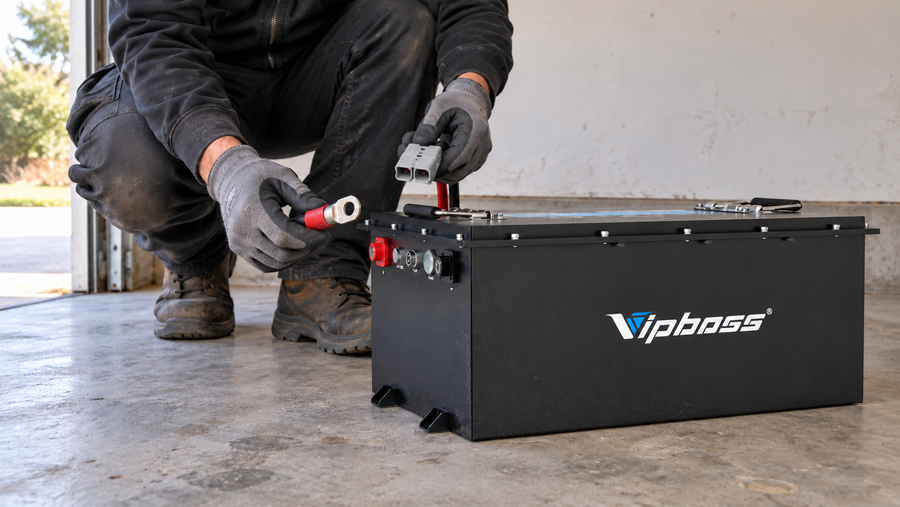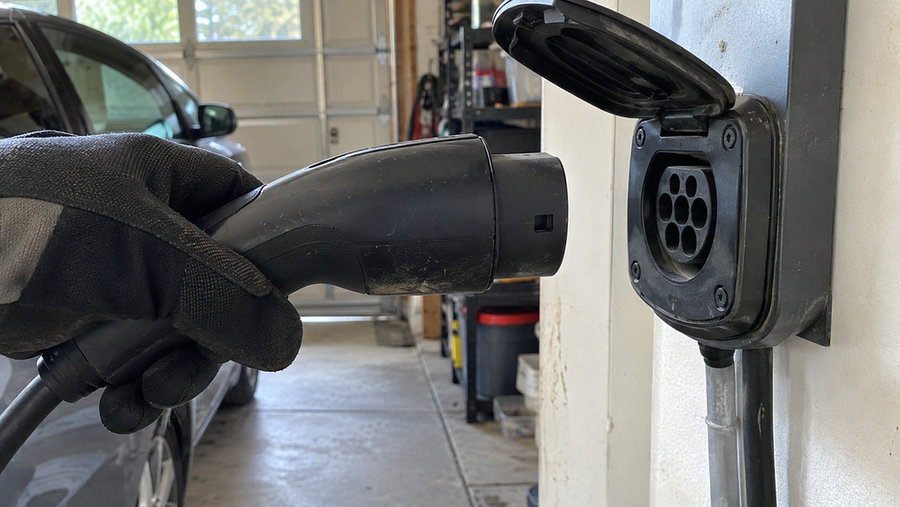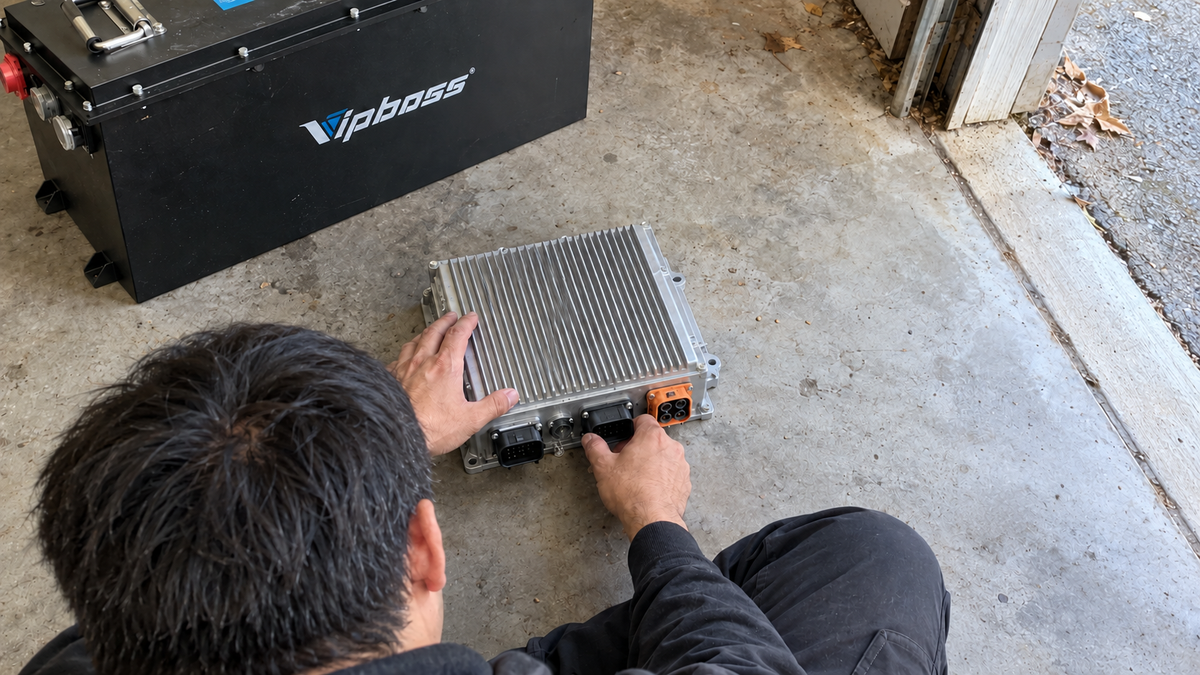

A Club Car lithium conversion needs an OBC bypass only when the cart has a legacy onboard computer that blocks or controls the replacement charger. First identify the cart’s charging architecture and charger plan. If the new lithium charger is designed to work with the existing OBC, keep it; if the charger must read the battery directly, use the exact bypass harness or wiring instructions for that cart. A cart with no separate OBC does not need an OBC bypass.
The charger determines whether the bypass is needed
The onboard computer, or OBC, is part of the charging and plugged-in drive-lockout circuit on some Club Cars. A lithium conversion changes the battery chemistry and often replaces the original charger. That creates two valid paths:
- Keep the OBC when the replacement charger is explicitly compatible with the existing OBC and its control signals.
- Bypass the OBC when the replacement charger is designed to connect directly to the battery pack and the cart’s wiring must be rerouted around the OBC.
The bypass is therefore not a universal lithium-conversion step. It is a compatibility decision between the cart, its charging circuit, the battery, and the replacement charger.
For a 48V conversion candidate, the Vipboss 48V 150Ah lithium conversion kit includes a lithium-compatible charger. Confirm that the cart is a compatible 48V platform and check whether that charger is intended to work with the existing OBC or requires a direct battery connection.
When you should not bypass anything
Do not cut or reroute wires if your Club Car does not have a separate legacy OBC. Some charging systems use a different architecture, so applying an older OBC bypass procedure can create a wiring fault rather than solve one.
You also may not need a bypass when the replacement charger is designed to communicate with or operate through the existing OBC. Check the charger instructions for your exact cart configuration. A plug that fits the receptacle is not enough proof that the charger and OBC are compatible.
If the cart model, charger system, or OBC status is unknown, treat the bypass decision as unresolved. Identify the serial number, charger model, receptacle, and OBC before changing the charge path.
When a bypass is usually part of the conversion
A bypass is generally needed when all three conditions apply:
- The cart has a legacy OBC in the charging path.
- The replacement lithium charger is intended to sense and control charging directly from the battery.
- The charger or conversion instructions require the OBC and its related lockout circuit to be removed from service.
The exact wiring and connector arrangement depends on the Club Car platform, so use the diagram or harness instructions for the exact model rather than copying another cart’s wire colors. Follow the applicable cart and conversion instructions before changing the charging path.
Check the cart before choosing the bypass path

Use this short check to reach the correct decision:
- Identify the cart. Record the model, year or serial information, charger model, charge receptacle, and controller or charging-system markings.
- Confirm whether a separate OBC exists. Do not assume that every Club Car uses the same charging architecture.
- Read the lithium charger instructions. Look for an explicit requirement to retain, bypass, or replace the OBC.
- Confirm the battery and charger match. The charger must use a profile intended for the battery chemistry and voltage class.
- Match the wiring procedure. Use the exact connector-specific diagram or approved harness instructions. The correct bypass for one Club Car platform may be wrong for another.
- Check the plugged-in lockout. After installation, the cart must remain prevented from driving while connected to the charger.
Do not rely only on a charger that does not start to decide that an OBC bypass is required. Confirm the cart’s charging architecture and charger requirements first.
Before ordering or installing a replacement charger, resolve any unknown cart, OBC, receptacle, or wiring details from the applicable instructions. The bypass decision remains unresolved until those details match the charger plan.