
A lithium golf cart often will not charge through its original port because that port may still route power through a charger or control circuit designed for the old battery chemistry. First identify whether the port is connected to a lithium-compatible charger and the battery’s intended charging path. If the charger is still an old lead-acid unit, the wiring was changed during conversion, or the battery shows heat, swelling, damage, or smoke, stop using the port and follow the battery and cart manuals before trying another connection.
The original port may still use the old charging path
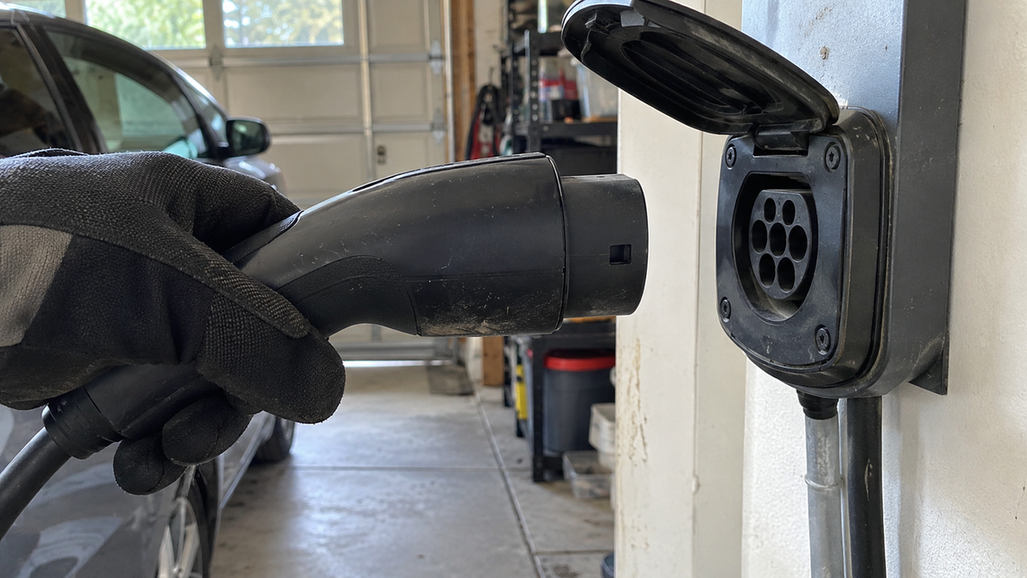
On many converted carts, the original port is not just a socket. It can be part of the cart’s onboard charger circuit and safety interlock. A lithium conversion may instead require a lithium-specific charger connected through a revised charging path. If the old onboard charger, its control logic, or its wiring remains in the circuit, the charger may not start, may stop early, or may prevent the battery from receiving the intended charge.
This is why a port can look physically correct while the system is electrically wrong. A plug that fits does not prove that the charging equipment or control wiring is approved for the lithium battery.
Check the charger before blaming the port
Look at the charger label and the battery and cart documentation. Confirm that the charger is intended for the battery chemistry and that the documentation approves its output, connector, polarity, and charging path for that battery and cart. If the requirements do not match or remain unclear, do not use the original port as proof of compatibility.

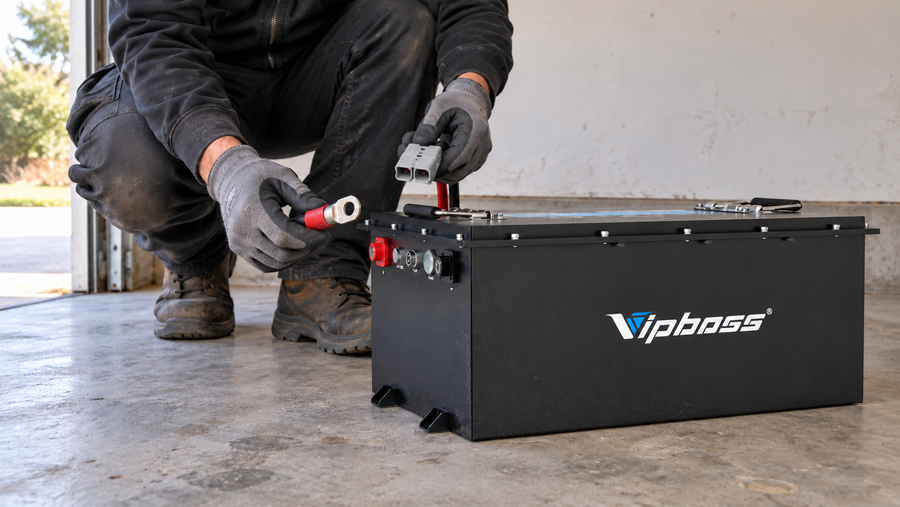
For a conversion using the Vipboss 48V 150Ah lithium golf cart battery conversion kit, the product description identifies a 51.2V LiFePO4 battery and includes a lithium-compatible charger, AC power cable, Anderson connector cable, terminal hardware, and a user manual. Use the included charger and its connection instructions as the starting point, while confirming the cart-specific charging path separately. This does not establish that every golf cart’s original port can be reused.
Original and converted carts may use different charging paths
A stock cart and a converted cart do not have the same charging question.
For a stock lithium cart, use the manufacturer’s specified port, charger, and charging sequence. Do not replace the charger with an older charger simply because its plug fits.
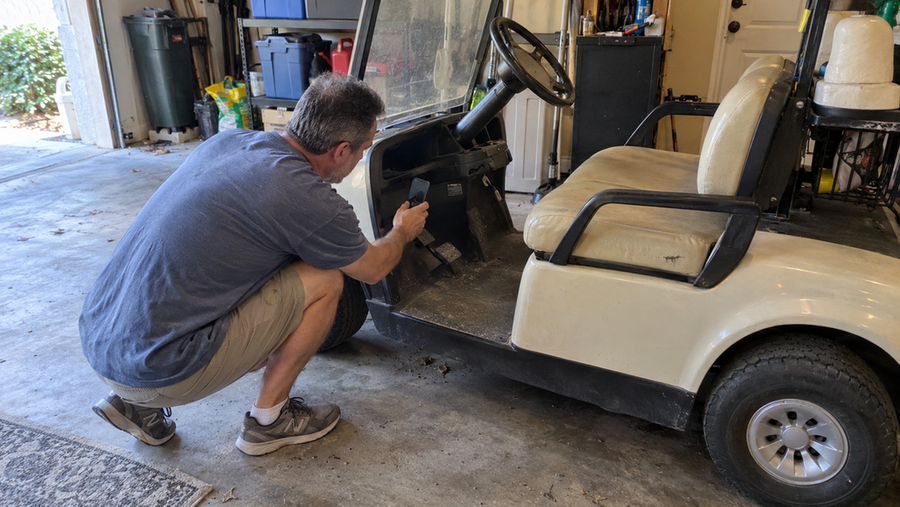
For a cart converted from lead-acid batteries, determine from the applicable documentation whether the original onboard charger remains in the charging circuit and whether the original port is approved for the revised lithium charging path. Some conversion designs use a separate lithium charger or a different charge receptacle; the correct arrangement is model-specific.
If the cart’s charging path or battery voltage was modified, stop at the documentation check until the cart and battery manuals identify a compatible arrangement.
Stop when the battery itself looks unsafe
Do not continue testing if the battery is swollen, cracked, leaking, smoking, unusually hot, or visibly damaged. Lithium batteries can overheat when damaged, overcharged, exposed to water, or improperly handled. Move away from the area and follow local emergency guidance and the battery manufacturer’s handling instructions. Do not open the battery or attempt an internal repair.
The short answer is that the original port may belong to the cart’s old charging system, while the lithium battery requires a compatible charger and a confirmed charging path. Match the charger and wiring to the battery documentation first; only reuse the original port when the cart-specific conversion instructions explicitly support it.