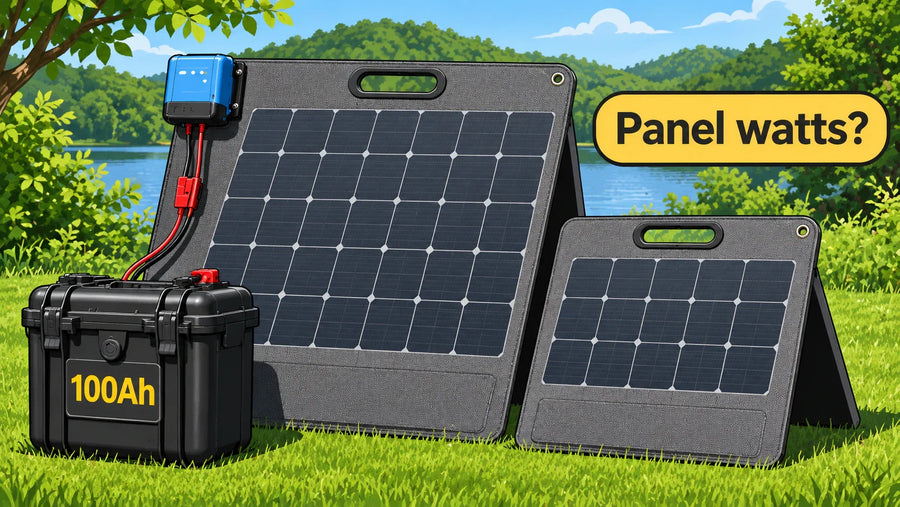

A solar panel may not charge a LiFePO4 battery box because too little usable solar power reaches the controller, the controller is off or mismatched, its settings do not suit the battery, or the battery’s protection system has stopped charging. Start with the controller’s status and readings, then check sunlight, visible panel condition, system compatibility, and battery status; those clues narrow the cause but do not diagnose it on their own.
1. Check the controller’s status

Look at the controller display or monitoring app. Note whether the controller is on, whether it reports charging or a fault, and whether it shows PV voltage, battery voltage, or charge current. A disabled or faulted controller points toward its own status or settings; a powered controller showing little or no PV input points toward solar conditions or the array. A reading alone does not identify a specific failed part.
If the controller is on but reports no charging, continue through the checks below. Use its displayed readings and status rather than opening electrical connections.
2. Check sunlight and panel condition

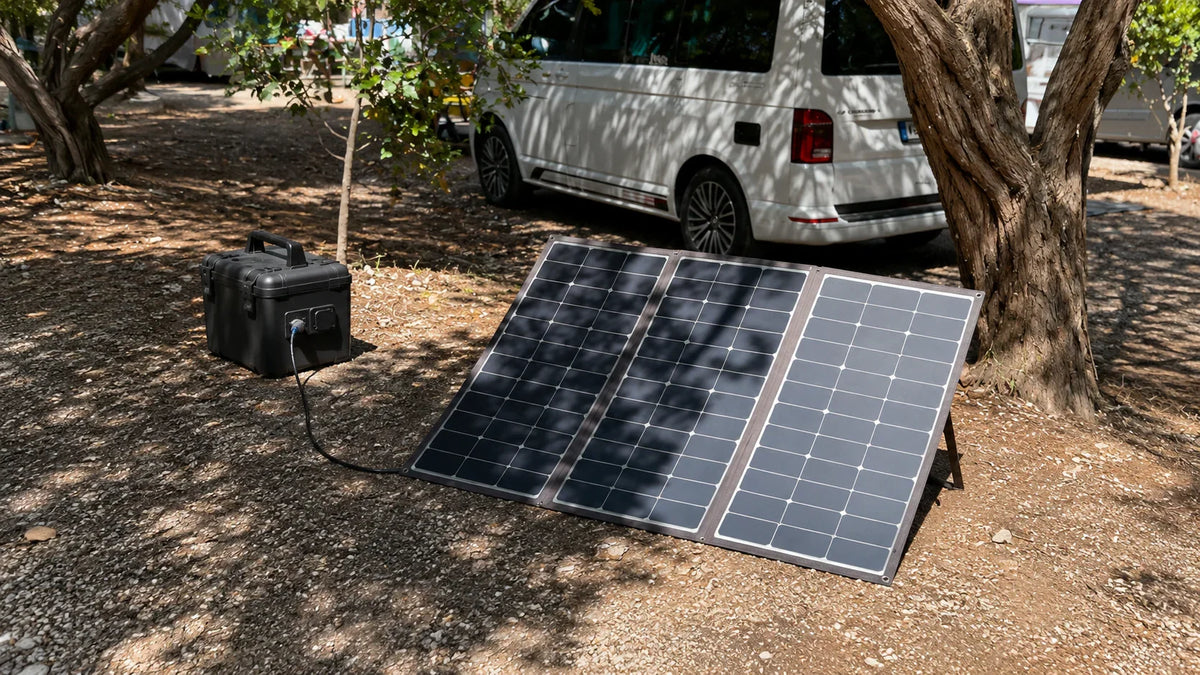
Check whether the panel is in direct sun and whether shade, dirt, poor orientation, or cloudy weather could be reducing the available solar input. Correct what you can safely see, then check the controller again. Low or intermittent sunlight can mean too little power is available for charging, even when the equipment is working. For a prolonged cloudy-weather shortfall, see this guide to solar deficits during cloudy days.
3. Check the array and controller readings
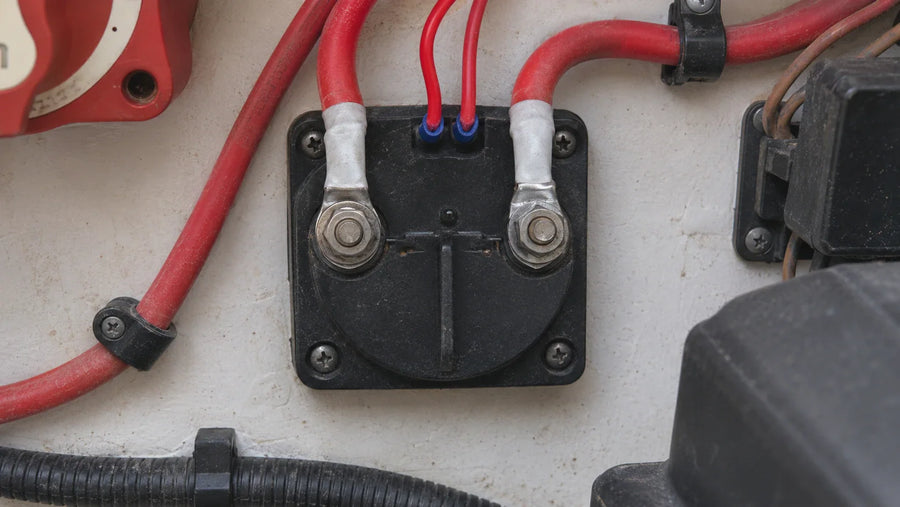
Inspect accessible panels and cables visually for obvious damage or disconnected components. Check the panel arrangement against the system documentation: an unsuitable array configuration or a wiring fault can prevent the controller from receiving the input it needs. Do not handle wiring, fuses, or terminals unless you are qualified to do so.
For the documented controller, its troubleshooting procedure compares the controller’s displayed PV and battery readings with that controller’s charging requirement. That controller requires PV voltage to be 5 V above battery voltage for charging to start; neither the comparison procedure nor the threshold should be assumed to apply to other controllers. Its troubleshooting guidance lists weak sunlight, shade, dirty or poorly oriented panels, wiring or panel faults, and array configuration as possible causes of low PV voltage, not conclusions from the reading alone. Do not measure hazardous PV terminals unless qualified.
4. Check controller compatibility and settings
Compare the actual panel array, controller, and battery requirements with their documentation. Confirm that the controller supports the battery chemistry and system voltage, that the array is within the controller’s input limits, and that the charging settings follow the battery’s instructions. A mismatch or disabled charging setting can stop charging or prevent the system from operating as expected. This LiFePO4 solar charge-controller selection guide explains which ratings and battery requirements to compare.
Do not copy settings or voltage thresholds from another system. If the controller’s status indicates that charging is disabled or faulted, use its documented procedure to interpret that status; do not guess at settings or reset steps.
5. Check battery status and temperature
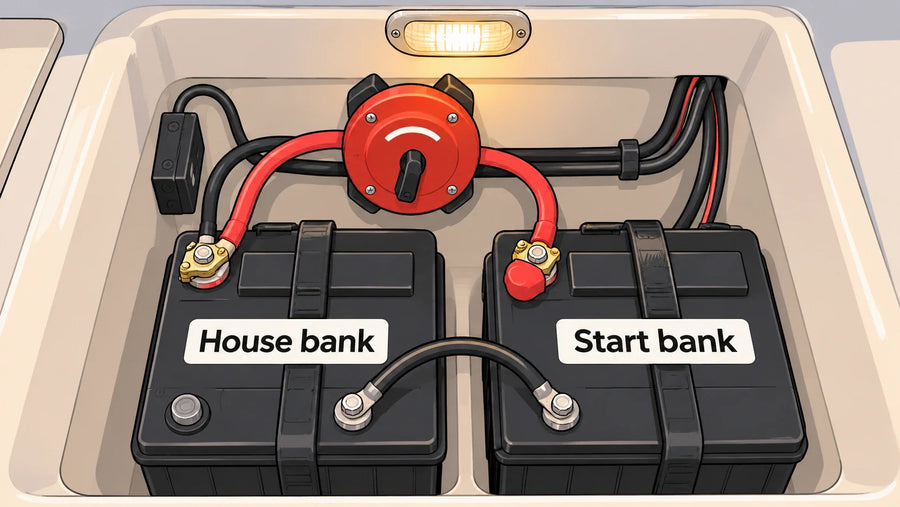
Check the battery’s own display or monitoring app for a protection or temperature status. A battery-management system (BMS) can inhibit charging under conditions its protection is designed to address. In one documented system with an external BMS, low battery temperature can switch off solar charging, and charging may resume after the battery warms; this is an example, not a universal cutoff or behavior. If cold conditions may be involved, follow the battery’s specified charging limits and cold-weather charging guidance. Do not bypass battery protection.
If the controller shows adequate input and compatible settings but charging remains inhibited, use the status indications from the controller and battery to identify which system is withholding charge. The cause cannot be determined from the panel or battery type alone.