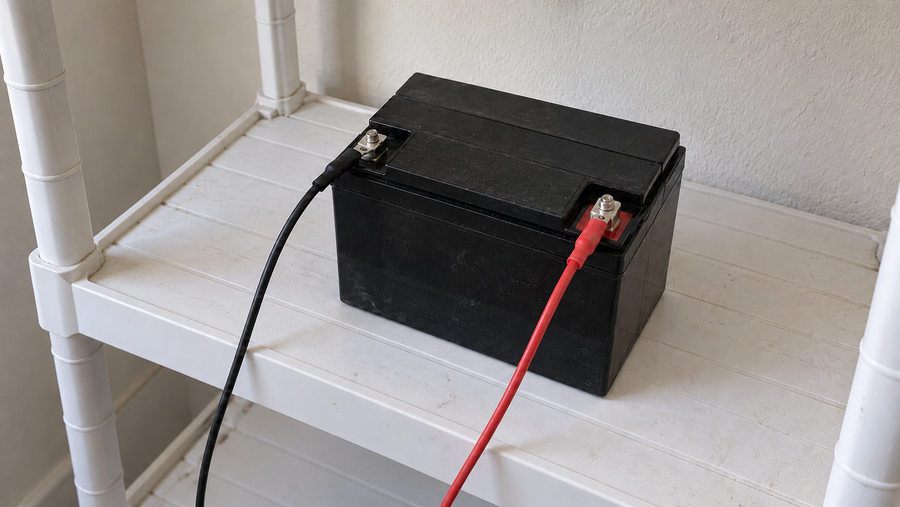

Your chassis battery can go dead while motorhome house batteries stay full because the two banks power different circuits and may use separate charging paths. Cab electronics, a weak starting battery, an open relay, or a charging fault can drain the chassis side alone.
How the Chassis and House Battery Systems Stay Separate
An isolator, charging solenoid, or battery control module keeps both banks apart during parked use. The chassis battery starts the engine and powers cab electronics. The house bank supplies lights, pumps, fans, refrigerator controls, and inverter loads.
| Battery Bank | Main Job | Common Loads | Usual Charging Source |
|---|---|---|---|
| Chassis battery | Starts the engine | Engine controls, dash electronics, alarms | Alternator and sometimes shore power |
| House battery bank | Runs the living area | Lights, water pump, fans, inverter | Converter, solar, generator, sometimes alternator |

While the engine runs, a relay may connect both banks so alternator current reaches the coach side. After parking, the relay opens to protect starting power. Some motorhomes use a battery combiner or separate disconnect switches.
A full coach bank confirms stored power on the living area side only. Check chassis voltage and charging on their own.
Common Loads That Drain the Chassis Battery While Parked
Small cab loads that stay active after key removal can drain the starting battery over several days. Check factory electronics first, then added accessories.
- Dash radio memory: Keeps the clock and presets saved.
- Keyless entry and alarms: Stay awake for remote signals.
- GPS and cellular gear: May keep checking for a network.
- Cab outlets: Chargers, cameras, and USB adapters can keep drawing power.
- Entry steps or leveling controls: Some coaches power them from the chassis side.
- Hidden lights and added accessories: Glove box lights, trackers, dash cameras, and audio gear can create a steady draw.
Unplug added devices and inspect hidden lights before testing deeper circuits. If voltage falls again after a full charge, test battery condition and parked current draw.
Circuit locations vary across motorhome models. Use the chassis fuse chart and coach wiring diagram to confirm which loads connect to the starting battery.
Does Shore Power Charge the Chassis Battery?
Shore power charges the chassis battery only when the coach has a working path from the converter or inverter charger to the starting bank. Coaches with a battery combiner, bidirectional relay, echo charger, or dedicated maintainer may charge both banks. Other systems send shore power only to the house bank.
Use a voltage comparison:
- Let the motorhome rest with the engine and shore power off.
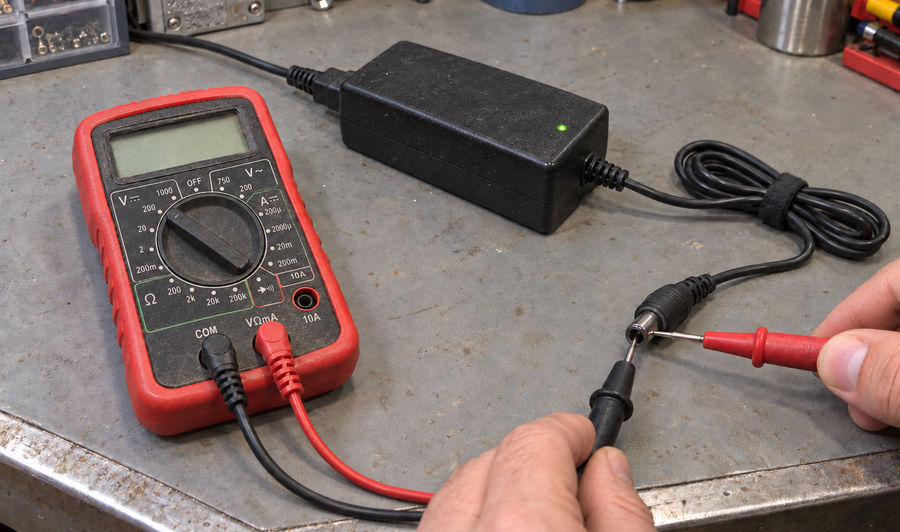
- Measure voltage across the chassis battery posts.
- Connect shore power and wait for normal charger operation.
- Measure the chassis battery again.
- Compare both readings.
A clear voltage rise shows that charging may reach the chassis bank. Confirm with current flow or a voltage drop test when the result remains unclear. A flat reading can point to no chassis charging path, a blown fuse, an open relay, or a control fault. Review the converter and chassis charging layout before changing wiring.
A compatible maintainer can support the starting battery during storage when shore power serves only the house bank.
Check the Isolator, Charging Solenoid, and Battery Control System
Voltage and voltage drop readings can locate faults in relay-based isolators and battery control systems. Solid state isolators and DC to DC chargers use different test points, so identify the installed component before testing.
| Test Condition | Expected Result | Possible Fault |
|---|---|---|
| Engine off | Each bank shows its own resting voltage | Weak battery or active draw |
| Engine running with relay closed | Chassis voltage rises and house voltage follows | Relay command, fuse, cable, or control fault |
| Shore power connected | House voltage rises and chassis voltage may follow | Missing bridge path or control fault |
| Relay closed under load | Low voltage drop across the large relay posts | High resistance in contacts or cable ends |
Check the control fuse, relay ground, command signal, cable ends, and terminal tightness. With the relay commanded closed and current flowing, measure voltage across the two large posts. Compare the result with the service limit. A high drop points to resistance in the contacts or connections.
Some battery control systems wait for one bank to reach a set voltage before relay closure. Use the delay and threshold listed in the service procedure. Where no timing appears, watch both bank voltages until they stay stable before judging relay operation. Use the charging solenoid test procedure for a terminal comparison under operating conditions.
Disconnect shore power, solar input, generator output, and engine charging before removing cables. Remove jewelry and keep tools away from both battery posts.
How to Test for Parasitic Draw With a Multimeter
A series current test measures power leaving the chassis battery after vehicle modules enter sleep mode. Check battery health first because a worn battery can lose voltage under a normal parked draw.
- Fully charge the chassis battery and turn off every accessory.
- Remove devices from cab outlets and move the key fob away.
- Close and latch doors.
- Set the meter to its highest fused DC amp range.
- Disconnect the negative cable and place the meter between the cable and battery post.
- Wait for the reading to settle.
- Compare final current with the chassis service limit.
- Pull one fuse at a time to locate the circuit that lowers the reading.

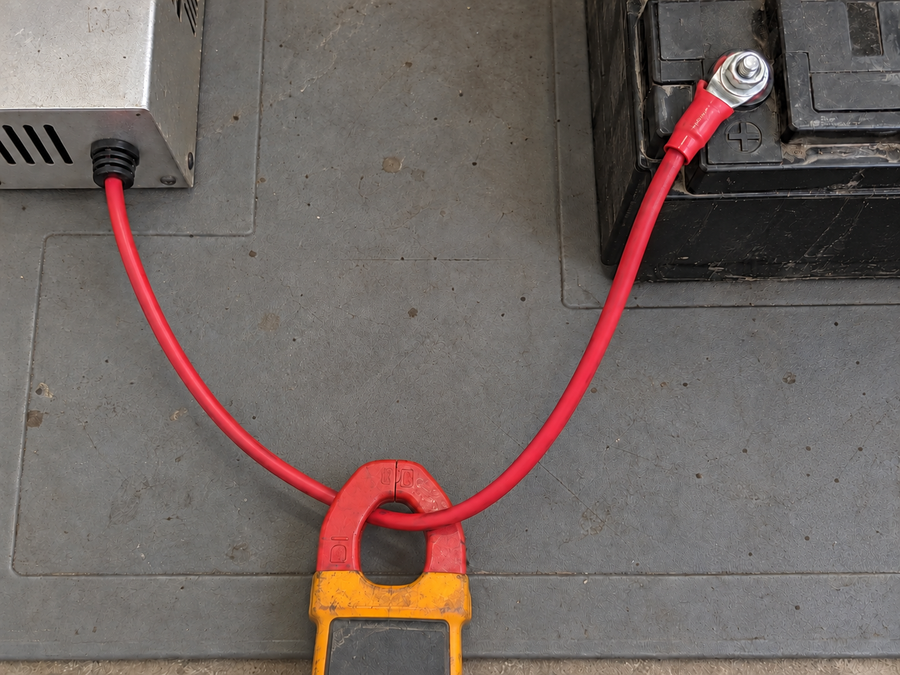
Keep the engine, headlights, entry steps, and leveling jacks off during a series test. A large current can blow the meter fuse or damage the meter. A DC current clamp offers a safer first check when draw level remains unknown.
Use the sleep interval listed in the chassis service manual. Where no interval appears, wait until the reading stays stable for several minutes. Some modules may need 30 minutes or longer. Opening a door, pressing the remote, or reconnecting a device can wake the network. The parasitic drain test procedure covers meter placement and module sleep.
A series meter test works best on conventional 12V systems with accessible battery cables. Motorhomes with smart battery sensors or multiplex wiring may require a current clamp or scan tool procedure.
Protect Both Battery Systems During Long Term Storage
Protect both battery systems with separate disconnect and charging plans. Remove cab accessories, switch off coach standby loads, and follow each battery manual for storage charge and inspection timing. Record voltage before parking and test both banks before the next trip. Repair any charging or parasitic draw fault before installing a new battery. If the house bank also needs an upgrade, compare motorhome deep cycle batteries after checking voltage, charger compatibility, cable capacity, fuse ratings, temperature limits, and available space.
FAQ about Chassis Battery
Q1: Should a Motorhome Chassis Battery Be Starting or Deep Cycle?
Use a starting battery for the chassis. Engine cranking needs high current for a short period, so cold cranking amps, case size, terminal position, and reserve capacity matter most. Motorhome deep cycle batteries suit repeated energy use in the living area. Match battery ratings and venting needs to the chassis manual.
Q2: Can a Weak Chassis Battery Prevent the Generator From Starting?
Yes, when the generator starter or control circuit receives power from the chassis bank. Some motorhomes use the house bank or a shared start circuit. Check the wiring diagram and measure voltage at the generator during cranking. A sharp drop can point to a weak battery, poor ground, loose cable, or starter circuit fault.
Q3: Can Lithium House Batteries Work With a Lead Acid Chassis Battery?
Yes. Lithium house energy storage can operate beside a lead acid starting battery when each bank has a suitable charging path. Check alternator current limits, relay logic, converter settings, and low temperature charging protection. A compatible DC charger can control current between the banks and protect the alternator from excessive load.
Q4: Does Replacing the Chassis Battery Reset Motorhome Electronics?
Yes, some settings may reset after chassis power is removed. Clocks, radio presets, alarm settings, seat memory, and learned engine values may need setup again. Check the chassis service procedure before disconnection. A memory saver may preserve settings when the procedure allows one and the electrical system has no active fault.
Q5: How Long Can You Hold the Emergency Start Switch?
Hold the emergency start switch only for the interval listed in the motorhome manual. Many systems use a momentary relay and may call for a brief precharge period before cranking. Release the switch after the engine starts. Stop if the relay chatters, cables warm, or cranking stays slow, since continued use can overheat connections.