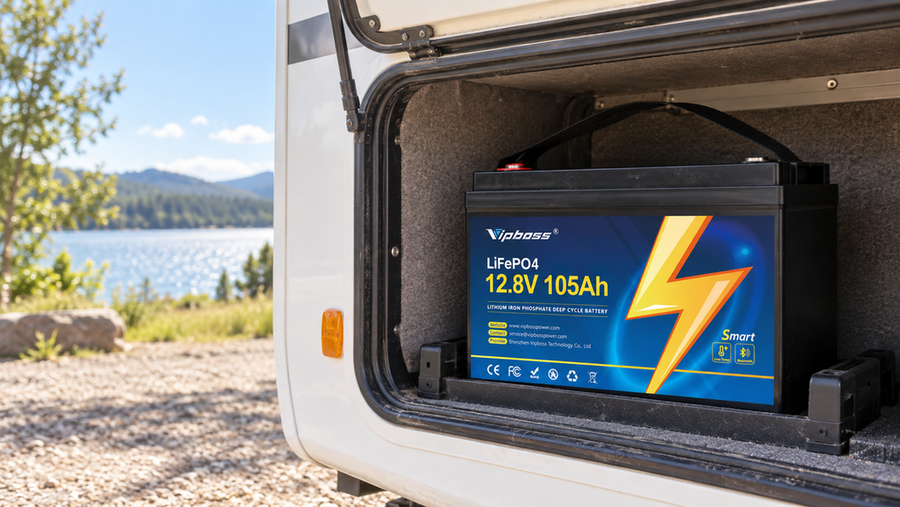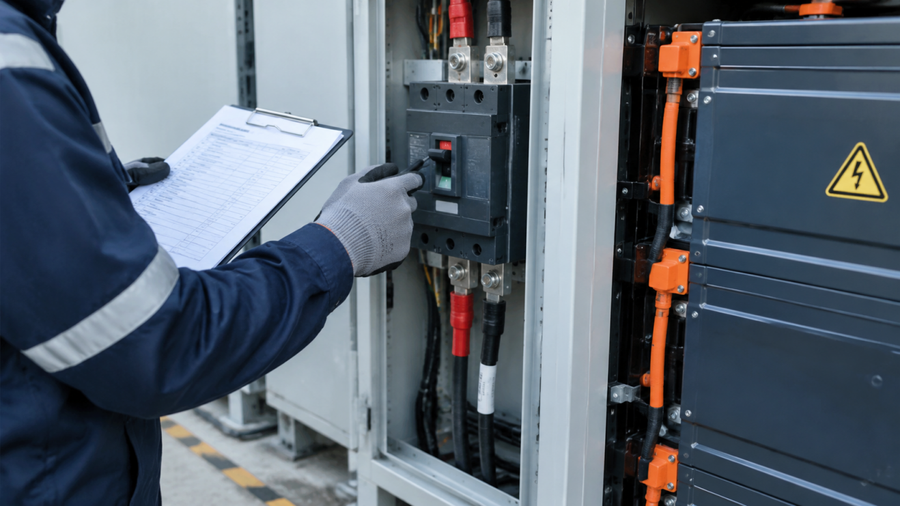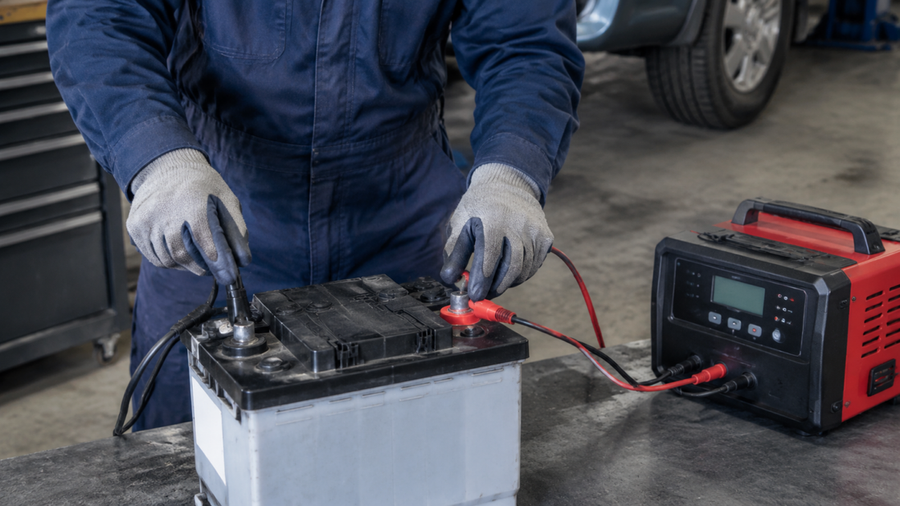

You should replace the shore power charger when you convert to lithium. An old lead‑acid charger is only acceptable as a short, closely monitored bridge.
Why Old Lead-Acid Chargers Struggle with Lithium
In refits I see the same pattern: the batteries are upgraded, the charger isn't—and the expensive new lithium bank never performs as promised. With correct charging, modern lithium deep‑cycle house banks routinely outlast lead‑acid by many years, but only if the charging profile matches the chemistry.
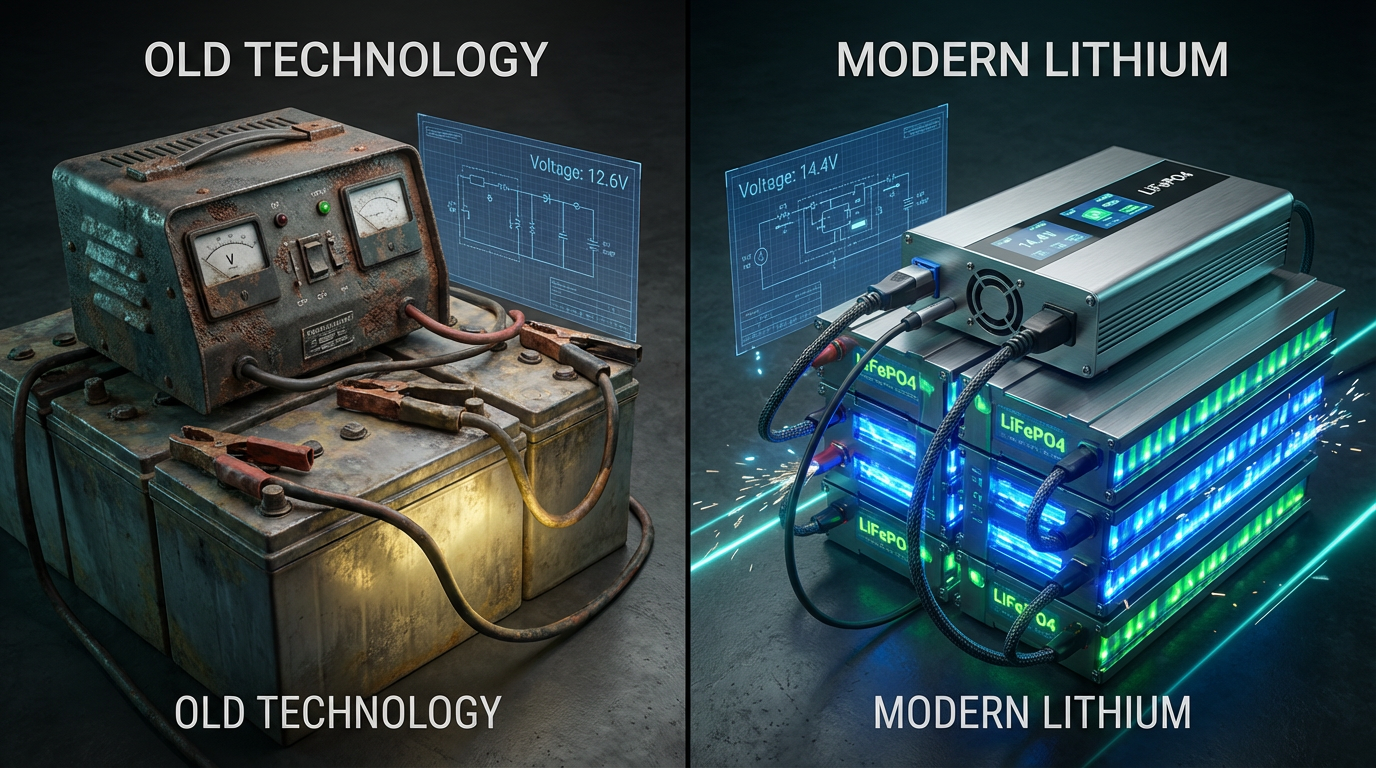
Legacy marine chargers are tuned for flooded or AGM lead‑acid. Their bulk and absorption voltages, long absorption times, and high float voltages are all wrong for lithium. The result is chronic undercharging (lost capacity), BMS‑triggered shutdowns, or overcharge stress at the top of the curve.
Smart lithium‑ready chargers use multi‑stage profiles and tighter voltage limits designed for LiFePO₄, as described in modern marine battery charging practices. That is what protects your investment and keeps shore power truly "plug‑and‑forget."
When You Can Temporarily "Get By"
There are cases where you can limp along with an old charger while you plan the upgrade. Key conditions where you can temporarily get by include:
- You installed drop‑in lithium with a robust BMS, and the charger has a gentle AGM profile with no "recondition" or desulfation modes.
- You are on board while charging and never leave the boat or RV plugged in unattended for weeks at a time.
- You have verified with a meter that the charger never exceeds the lithium manufacturer's maximum voltage.
- Loads are modest and you accept slower charging and reduced usable capacity.
A clean, modern lead‑acid charger can babysit a lithium bank for a short season, but it is not a safe permanent solution.
If you go this route, treat it as a bridge, not the new normal. Build your budget and timeline around installing a true lithium‑compatible shore charger.
Red Flags: You Must Replace Now
There are clear "no‑compromise" situations where the old charger needs to go immediately. Key red flags that mean you must replace the charger now include:
- A fixed flooded profile with high float voltage and no lithium mode.
- Any "equalize," "recondition," or pulse‑desulfation features you cannot disable.
- No temperature compensation, or a unit that runs hot or buzzes under load.
- Repeated nuisance trips, odd voltage readings, or batteries that never reach full charge.
On boats and RVs, overheating at the charger often shows up first at the cord and plug. Guides on troubleshooting shore power warn that burned or melted connectors, hot plugs, or crackling sounds are serious hazards—those are the kind of symptoms a failing or mismatched charger can aggravate.
If you see any of these, do not keep "testing it for one more weekend." Replace the charger before it damages the new bank or starts cooking your shore cord.

Spec'ing the Right Lithium-Friendly Charger
When you upgrade, think like a system designer, not just a shopper. Use these steps to spec a lithium‑friendly shore charger:
- Match the chemistry: The charger must explicitly support LiFePO₄, not just "12 V" or "deep cycle."
- Size for the bank: Aim for roughly 10–20% of your house bank's amp‑hour capacity; for example, a 300 Ah bank pairs well with about 30–60 A of shore charging, similar to charger sizing rules used for lead‑acid. Understanding proper charge rates for lithium helps ensure you size the charger appropriately without stressing the battery.
- Respect wiring limits: Make sure cabling, breakers, and connectors are rated for the new charger's output current and duty cycle.
- Think multi‑bank: Many refits keep a lead‑acid start battery and a lithium house bank, so use a multi‑output charger or separate units so each chemistry gets a tailored profile.
For heavy users or off‑grid cruising, an inverter/charger with lithium support can streamline everything: shore charging, AC loads, and automatic transfer are all handled in one box. If shore power isn't available, alternative charging methods like portable generators paired with the right converter can keep your lithium bank topped up in remote locations.
Upgrade Game Plan
Here is a practical way to move from "get by" to "dialed in":
- Audit what you have: Note charger make and model, bank sizes, chemistries, and any odd symptoms such as hot plugs, slow charging, or BMS trips.
- Decide the architecture: Keep the old charger only on a small lead‑acid start battery, and dedicate a new lithium‑ready charger to the house bank. When switching from AGM to lithium, the charging infrastructure change is just as important as the battery swap itself.
- Verify under real load: After installing the new charger, run your normal loads for 30–60 minutes on shore power, then feel the charger and plugs; they should be just warm, not hot, and voltages should match the lithium spec sheet.
Treat the shore power charger as part of the lithium upgrade, not an afterthought. When the batteries and charger are designed to work together, you get what you paid for: fast, safe charging and a house bank that feels practically bottomless.