Long driving days in an RV are tiring enough without fighting low batteries at night. Many owners use the 3-3-3 rule to stay sane on the road: drive around 300 miles, reach camp by about 3 p.m., and stay at each stop for roughly 3 nights. That pace gives you time to enjoy each place instead of rushing, but it also puts steady pressure on your power system. Once you spend three evenings in a row off-grid, weak house batteries quickly show their limits, which is why so many RVers are switching to lithium batteries to make the 3-3-3 rhythm actually feel relaxed.
What Exactly Is the 3-3-3 Rule for RV Travel?
The 3-3-3 rule is a simple guideline RV owners use to avoid burnout and late-night setups:
- Drive no more than about 300 miles in a day
- Aim to reach your next campground by around 3 p.m.
- Stay at each stop for roughly 3 nights before moving on
You still make good progress, yet you arrive with daylight left to level the rig, hook up, walk around, and settle in. Instead of collapsing after dark, you actually see the place you paid for.
How This Rule Changes Daily Energy Use
Following the rule means your RV spends more time parked than rolling. That has a direct impact on power use:
- The fridge runs constantly
- Lights stay on longer in the evening
- Vent fans or small heaters may run for hours
- Phones, tablets, laptops, and cameras all need charging
At full-hookup sites, this barely matters. On public land or basic campgrounds without shore power, every watt-hour comes from your batteries. A lead-acid bank that seems fine for one night can start to feel strained by night two and three as voltage sags and inverters complain.
Why Better Planning Becomes Essential
With the 3-3-3 pattern, a rough guess is not enough. One cloudy day or an extra-cold night can push a marginal bank into the red. Planning storage around your camping style, instead of accepting the factory batteries as a given, is what keeps this travel rhythm comfortable. That is the point where many RV owners begin to look seriously at lithium options.
How Do Lithium Batteries Support the 3-3-3 Rule in Real RV Trips?
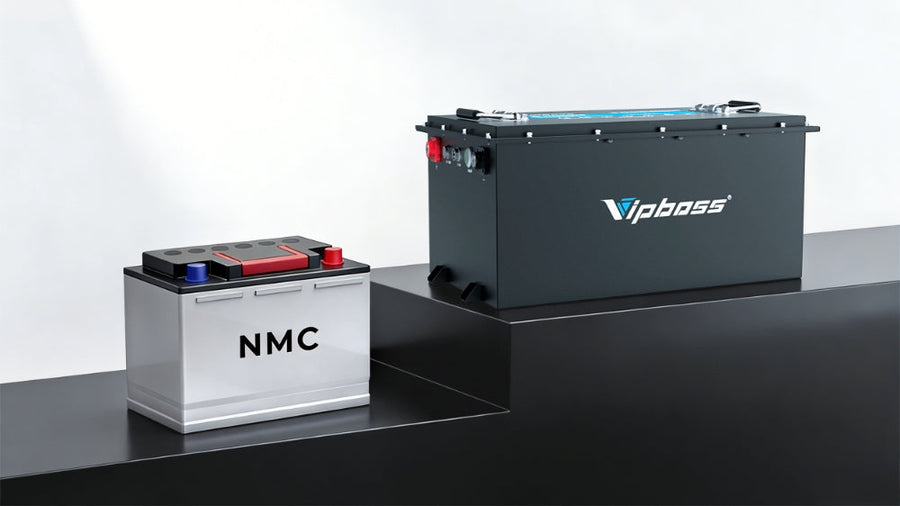
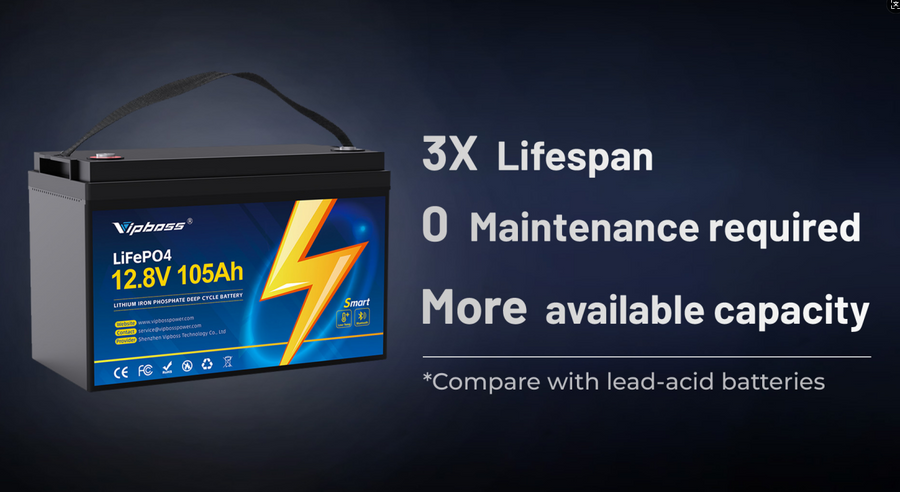
Lead-acid deep-cycle batteries prefer shallow cycles. Many experienced installers suggest using only about half of their rated capacity on a regular basis to avoid early decline. In contrast, LiFePO4 lithium batteries, which are now common in RV house systems, can comfortably work with a deeper discharge, often around 80 percent of their rated capacity when sized and charged correctly.

More Usable Energy From the Same Amp-Hour Rating
Take two 100 Ah batteries as a simple example. On paper, they match, but real use is different:
- A 100 Ah lead-acid battery often provides about 50 Ah in everyday use before you hit the recommended depth of discharge
- A 100 Ah LiFePO4 battery can usually give around 80 Ah in normal cycling
For a 3-night stay that gap is big. A bank of lithium batteries with the same printed amp-hours can support your lights, fridge, pumps, and electronics for a longer window before the state of charge drops to an uncomfortable level.
Flatter Voltage and Quieter Evenings
Lithium chemistry holds voltage steady across much of the discharge curve. Lights stay bright, 12-volt fridges keep their normal behavior, and inverters see a stable input until the bank is actually low. Even on the third evening at camp, systems still feel "normal" instead of weak and sluggish.
Less Weight and Less Routine Maintenance
A LiFePO4 house bank usually weighs a fraction of an equivalent lead-acid setup, which frees up payload for water, bikes, or simply a lighter rig. There is no watering of cells and far less worry about corrosion around posts. On travel days, you can focus on driving and setup without adding battery maintenance to the to-do list.
How Much 12V Lithium Ion Battery Capacity Do You Need for 3 Nights?
Sizing a bank for 3-3-3 travel starts with one question: how much energy does your rig actually use in a typical day off-grid? A 12V lithium-ion battery bank makes the math straightforward once you know that number.
Estimating Daily Watt-Hours
You can get a solid estimate with a quick table like this:
| Device | Typical Power Draw | Daily Use (hrs) | Daily Energy (Wh) |
| 12 V compressor fridge | 40 W | 12 | 480 |
| LED interior lights | 20 W | 4 | 80 |
| Roof vent fan | 25 W | 4 | 100 |
| Water pump (intermittent) | 60 W | 0.5 | 30 |
| Phones / tablet / laptop | 60 W | 2 | 120 |
In this scenario, daily energy lands around 810 Wh. Many small and mid-size RVs that rely mainly on 12-volt loads fall into a similar range when you add a compressor fridge, lights, fans, and a few devices. If you run a large inverter for appliances like a microwave or coffee maker, your own table will naturally come out higher.
Turning Watt-Hours Into Amp-Hours for Three Nights
To convert that daily figure into battery capacity for lithium batteries:
- Multiply daily watt-hours by 3 days
- Divide by 12 volts
- Divide by 0.8 to reflect around 80 percent usable capacity
Using the 810 Wh example:
- Three days: 810 Wh × 3 = 2,430 Wh
- Divide by 12 V: about 203 Ah
- Divide by 0.8: roughly 254 Ah of rated LiFePO4 capacity
So for this kind of use, a 12-volt lithium bank in the 200–300 Ah range is a realistic target. In practice, many RV owners treat a single 100 Ah LiFePO4 pack as a "light-duty" weekend option and look at 200 Ah or more when they want comfortable boondocking that fits the 3-night pattern.
What Type of Lithium-Ion Batteries Work Best for RV 3-3-3 Travel?
"Lithium" covers several chemistries, yet LiFePO4, or lithium iron phosphate, has become the default for RV house banks.
Why LiFePO4 Fits RV House Banks
LiFePO4 belongs to the wider family of lithium-ion batteries but offers a more stable thermal profile and a very long cycle life when used within its specifications. Manufacturers commonly list several thousand cycles at moderate depth of discharge. For someone cycling the bank frequently under a 3-3-3 pattern, that kind of durability means a long service life and fewer replacements.
Staying With 12V or Moving to Higher Voltage
Most production RVs are built around 12-volt DC systems. Upgrading to a 12V LiFePO4 bank lets you keep your existing lights, fans, pumps, and control boards on their original wiring and fuse layout. That keeps the project manageable for most owners. Larger custom builds sometimes move to 24V systems for big inverter loads, yet for travel trailers and smaller motorhomes focused on 3-3-3 trips, a well-sized 12V bank usually hits the sweet spot between simplicity and performance.
Features That Matter on the Road
When you compare lithium options, focus on features that change your daily experience:
- A robust built-in battery management system with protections for over-charge, over-discharge, over-current, and short circuit
- Low-temperature charge protection if you camp in cooler climates
- Clear cycle life data and a solid warranty
- Optional Bluetooth or app monitoring so you can check the state of charge without opening compartments
Those details will shape how confident you feel on day three of a stay, much more than a small difference in printed capacity.

How Do Lithium Batteries Change Your 3-3-3 Routine Day by Day?
Once your RV house bank moves to lithium batteries and is sized for your real loads, the 3-3-3 rhythm becomes much more relaxed.
Everyday Loads Without Constant Hookups
A properly sized LiFePO4 bank can support normal 12-volt loads for several nights without dipping into a damaging depth of discharge. When you add rooftop solar or a DC-to-DC charger from the engine, daytime driving and sunshine together can put back a significant share of what you used each night. You can let the fridge run, keep the fans moving air, and charge devices without feeling like every switch is a risk.
Short Charging Windows Between Stops
The driving leg of each day is an opportunity to recharge. Lithium chemistry accepts charge efficiently across a broad state-of-charge window, especially with chargers configured for LiFePO4. Even a few hours on the road can bring the bank back into a comfortable range, which gives you breathing room if a cloudy day cuts solar production or if you have an unexpectedly heavy day of use at camp.
Are Lithium Batteries Really Worth the Cost for RV 3-3-3 Travel?
Initial price remains the biggest hesitation for many RV owners. A quality LiFePO4 bank costs more up front than a pair of basic deep-cycle lead-acid batteries. That is easy to see when you compare product pages and invoices.
Looking at Cost Over the Life of the Bank
The picture changes once cycle life and usable capacity enter the discussion. Lead-acid batteries often deliver only a few hundred deep cycles if they are regularly taken far below 50 percent state of charge. High-quality LiFePO4 packs can offer several thousand cycles at moderate depth of discharge, while also providing a larger share of their rated amp-hours in each cycle. Spread across years of 3-night stops, the cost of each quiet, off-grid evening can drop significantly compared with replacing worn-out lead-acid banks every few seasons.
Maintenance, Storage, and Seasonal Use
Lead-acid batteries typically need periodic checks, cleaning, and careful charging during storage to avoid sulfation. LiFePO4 packs have lower self-discharge and are often easier to store at a partial state of charge when the RV sits for a while, as long as you follow the manufacturer's guidelines. For part-time RVers who park the rig between trips, that ease of care can be just as important as raw watt-hours.
Make the 3-3-3 Rule Easier With the Right Lithium Batteries
The 3-3-3 rule is meant to protect your energy and make travel feel sustainable, and a well-sized lithium bank does the same for your RV's power needs. When you replace a tired lead-acid setup with LiFePO4 sized around your real three-day consumption and paired with sensible charging from solar, shore, and the engine, those longer stays stop feeling like a gamble and start feeling like a normal part of the journey. A short evening spent mapping out your loads and choosing a 12-volt lithium setup that fits them can pay you back on every future stop, as you roll in by midafternoon, settle in without stress, and know that your lights, fridge, and fans will stay on as long as you choose to stay.
FAQs About Lithium Batteries and the RV 3-3-3 Rule
Q1. How Do I Monitor State Of Charge With A Lithium RV Bank?
A simple voltage reading is less reliable with lithium batteries because the voltage stays flat for most of the discharge curve. For accurate tracking, use a battery monitor with a shunt or a smart BMS with Bluetooth. These tools measure current in and out, then calculate the state of charge over time.
Q2. Does A Lithium Upgrade Change How I Size My Solar Panels?
Lithium batteries do not require a larger solar array by definition, but they let you use available solar more efficiently. Since they accept charge well at higher currents and varied states of charge, you can design solar capacity around your average daily use and available roof space instead of battery limitations.
Q3. Can My Existing RV Converter Or Charger Work With Lithium Batteries?
Some factory converters support only lead-acid profiles. Before upgrading, check if your charger offers a lithium setting or user-defined voltages. If it cannot reach the appropriate absorption voltage or cannot disable equalization, replacing it with a lithium-compatible charger or adding a dedicated DC-DC charger is usually the safer long-term choice.
Q4. How Do Lithium Batteries Affect RV Resale Value?
Buyers who travel often or camp without hookups increasingly look for rigs that already include lithium batteries and smart charging. A professionally installed LiFePO4 system with clear documentation can be a selling point, signaling lower future battery expenses and better off-grid capability. That often makes the RV easier to market.
Q5. What Safety Practices Should I Follow With Lithium RV Batteries?
Use batteries from reputable manufacturers with a built-in BMS and follow their installation guidelines. Mount packs securely, protect cables with appropriate fuses or breakers, and ensure good ventilation around inverters and chargers. Avoid unprotected DIY packs unless you have electrical experience. Regularly inspect connections to catch loose hardware or damaged cables early.