If you own a cart or plan to buy one, you eventually ask the same thing: how long do golf cart batteries last before a full replacement? Lifespan isn’t a single fixed number. It depends on battery chemistry, how deeply you discharge, how often you drive, climate, and storage habits. In typical golf use, lead-acid packs last around 3–6 years, while LiFePO4 systems often reach roughly 5–10 years with proper charging and basic care.
What Types of Batteries Do Golf Carts Use
Almost every golf cart today runs on one of four deep-cycle battery families.
- Flooded lead-acid: The classic six-volt or eight-volt batteries with removable caps. Electrolytes are liquids, they vent gas during charging, and they need periodic watering.
- AGM lead-acid: Absorbent Glass Mat packs with immobilized electrolyte. They are sealed, handle vibration well, and do not need topping up, but they still age like other lead-acid designs.
- Gel lead-acid: Electrolyte is gelled. These batteries are sealed and tolerate cold fairly well, yet they are sensitive to over-charging.
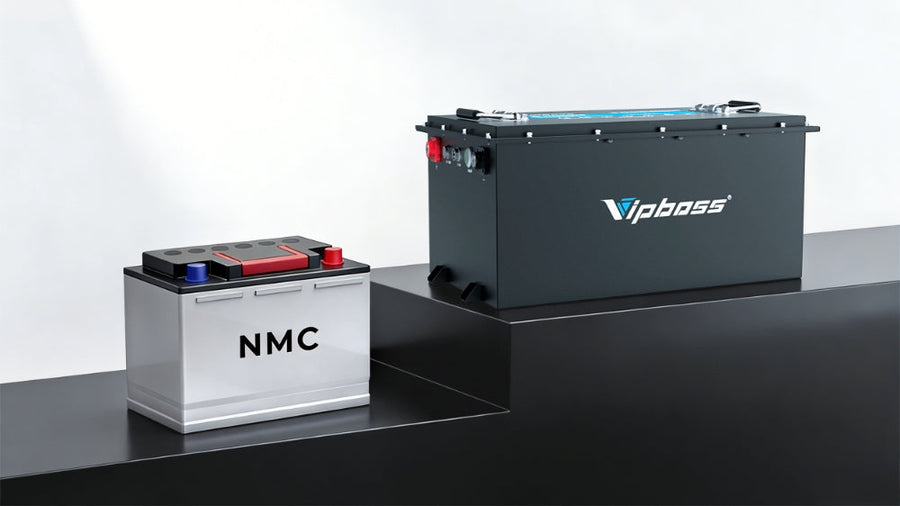
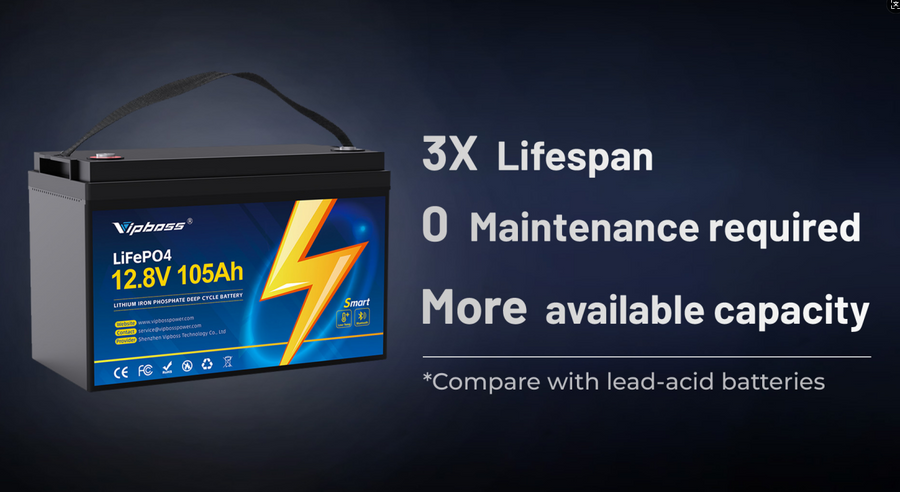
- Lithium iron phosphate (LiFePO4): A growing number of carts use a LiFePO4 golf cart battery pack. This chemistry offers long cycle life, good performance at partial charge, low self-discharge, and very little routine maintenance.
How Long Does Each Type Usually Last?
If the pack is sized correctly and treated decently, typical ranges look like this for cart duty:
| Battery Type | Typical Lifespan (Years) | Practical Notes |
| Flooded lead-acid | 2-4 | Needs watering, equalization, corrosion checks |
| AGM lead-acid | 3-5 | Sealed, higher cost, less hands-on maintenance |
| Gel lead-acid | 4-6 | Sealed, dislikes over-charging |
| LiFePO4 cart pack | 5-10 | 2,000–4,000+ cycles, almost no routine maintenance |
These numbers are averages. Heavy use, heat, and poor charging habits can cut them in half. A careful owner can stretch them.

How Long Do 36V and 48V Packs Last in Everyday Use?
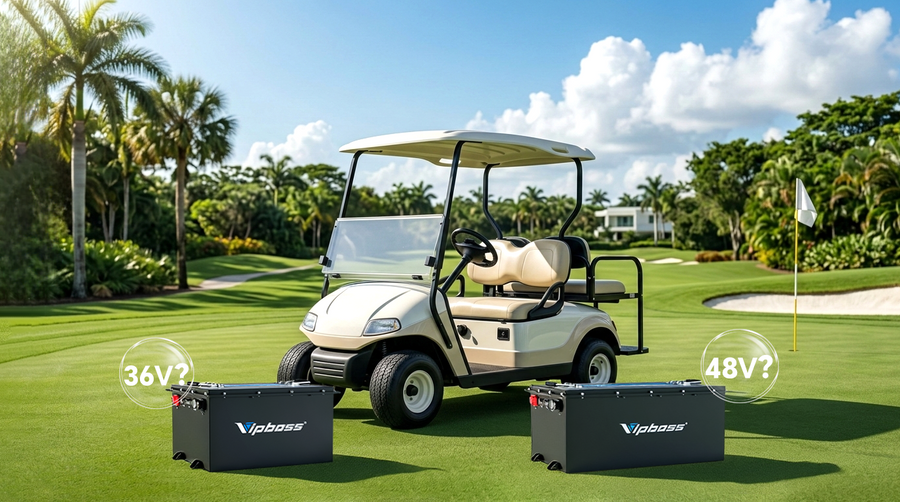
36V golf cart batteries are common in older or lighter carts that move at a modest speed on gentle terrain. 48V golf cart batteries show up in newer models that accelerate faster and often climb hills. For the same power, a 48-volt system draws less current, which reduces cable heating and internal losses.
In daily life, you usually see three usage styles.
Golf Course or Resort Fleets
Fleet carts:
- Run many rounds per day
- Haul four riders and their bags
- Spend long hours in the summer heat
Flooded packs in this setting often fall near the low end of the 2–4 year range. The batteries face frequent deep discharges and have little time to cool. Lithium packs last longer in the same fleet but still feel the stress of high current and temperature.
Private Neighborhood Carts
A homeowner who uses a cart to:
- Visit neighbors
- Make quick runs to a mailbox cluster
- Play nine holes a few times per month
creates a much lighter duty cycle. With a good charger and regular use, a flooded pack can reach the upper part of its expected window, and sealed or lithium packs may go beyond that.
Seasonal Use and Storage
Seasonal owners often lose years of life without noticing the cause. Parking a cart for winter with batteries nearly empty, or leaving a manual charger unplugged for months, encourages sulfation in lead-acid plates and deep self-discharge. The result can be a pack that fails in around three years, while a year-round user on a smart charger sees five or six.
Lithium cells tolerate partial-charge storage far better and self-discharge slowly, although they still need occasional checks and temperature-appropriate charging.
What Shortens the Life of Your Battery Pack?
Once you know the usual lifespan ranges, it helps to understand the main “battery killers” that drag a pack toward the short side.
Deep Discharges and Heavy Load
Running the cart until it barely crawls or surges is hard on every chemistry. Heavy passengers, lift kits with big tires, and steep hills all increase current draw and depth of discharge.
Lead-acid batteries handle moderate cycling, yet frequent very deep discharges speed up active material shedding and sulfation. LiFePO4 cells accept deeper cycles, although living at the extremes day after day still consumes their finite cycle budget faster than necessary.
Poor Charging Habits and Mismatched Chargers
- Letting the pack sit partly discharged for weeks
- Interrupting charge cycles again and again
- Using a charger designed for a different chemistry
- Over-charging gel or AGM batteries
Heat, Cold, and Storage Mistakes
High temperatures accelerate chemical aging. A cart stored in full sun on hot pavement, especially under covers that trap heat, keeps its pack warm long after each drive. Very low temperatures reduce available capacity and can make charging risky for lithium packs unless they include low-temperature protection.
Long off-season storage at a very low state of charge is a common cause of early failure in lead-acid packs. Lithium systems prefer storage somewhere in the middle of their charge window with occasional top-offs.
Neglected Flooded Batteries
Flooded designs still appear in many carts because they are affordable and familiar. They also demand hands-on care:
- Low electrolyte levels expose plates to air
- Heavy corrosion raises resistance and heats terminals
- Dirt and moisture on the case can cause stray currents
Maintenance manuals from course fleets often highlight that well-maintained flooded packs outlast neglected ones by years under the same workload.

How Can You Make Your Cart Batteries Last Longer?
You cannot control summer heat or steep hills, yet you can change several habits that have a big impact on lifespan.
Day-to-Day Care for Lead-Acid
For flooded, AGM, and gel packs:
- Recharge after use instead of waiting for the pack to run very low.
- Avoid regular “limp home” trips where the cart slows or jerks.
- Use a charger built for your battery type and system voltage.
- For flooded batteries, check water levels monthly and add distilled water when needed.
- Clean terminals as soon as you see corrosion and keep the area around the batteries dry.
Getting the Most from a LiFePO4 Golf Cart Pack
A golf cart lithium battery based on LiFePO4 removes watering from the routine, yet it still responds well to thoughtful use:
- Pair it with a LiFePO4-compatible charger at the correct voltage.
- Aim for moderate depth of discharge in daily use when possible.
- Keep the pack away from prolonged extreme heat.
- Follow the manufacturer’s guidance about charging near freezing conditions.
Most modern packs include a battery management system that disconnects the pack if temperature or voltage moves outside safe limits. That safety net helps, although it pays to avoid abusing it.
Smarter Off-Season Storage
For any deep-cycle pack:
- Store the cart in a cool, dry place if you can.
- Charge to a healthy level before parking the cart for weeks or months. Lead-acid is usually happiest near full charge; lithium can sit closer to the middle.
- Disconnect accessories that sip power in the background.
- Check the pack every month or two and recharge if the voltage falls.
Owners who treat storage as part of battery care usually see smoother spring restarts and fewer surprise failures.
When Should You Replace a Golf Cart Battery Pack?
Even a carefully maintained pack reaches the end of its useful life eventually. Replacing at the right time protects both your cart and your schedule.
Performance Warning Signs
- Range that drops sharply compared with last season
- Sluggish acceleration on hills
- Dash meters that plunge under throttle and recover at rest
- A cart that feels fine for the first few holes then fades fast
Visual Checks and Resting Voltage
On lead-acid packs, inspect:
- Cases that swell or warp
- Persistent wetness or staining around one battery
- Heavy corrosion that returns quickly after cleaning
After the cart rests with the key off, a simple voltage check can highlight weak units. Batteries that sit well below others in the same string are often near the end of their service life.
Single-Battery Swap or Full Replacement
A common question is whether to replace only the obviously bad unit. In a series string, the weakest battery limits the entire pack. Dropping a brand-new flooded battery into a four-year-old set usually forces the new one to work harder and age faster.
If the pack is young and a single battery fails early for a clear reason, a one-battery swap can make sense with guidance from a technician. Once the group as a whole is near the typical lifespan window, a full replacement tends to deliver better value and fewer breakdowns.
Is Upgrading to a Golf Cart Lithium Battery Worth It for Lifespan?
Yes. For most frequent users, upgrading to a golf cart lithium battery is worth it for the lifespan. A good LiFePO4 pack typically lasts roughly twice as long as a flooded lead-acid set in similar use, while holding voltage more consistently. When you spread the higher upfront cost across those extra years, plus the lack of watering, corrosion cleanup, and fewer change-outs, the yearly cost often ends up similar or better if you plan to keep the cart.
Choose a Cart Battery That Will Last for Years
By now, you know what cuts battery life short and what keeps it going. Look at how you use your cart, then pick a golf cart battery that fits that reality: flooded or AGM for light weekend drives, LiFePO4 for heavier daily use. Back that choice up with decent charging and storage habits. A few minutes of attention today can save you years of weak range and surprise failures.
FAQs
Q1: Are golf cart battery warranties a good clue to real lifespan?
Not always. Warranty periods reflect the minimum performance a brand is willing to guarantee, not the best case. Many lead-acid packs carry 12–24 month coverage, while lithium packs add cycle or energy-throughput limits and rules on chargers, storage and abuse.
Q2: Do I really need a battery monitor, or is a simple voltmeter enough?
A simple voltage gauge helps, but a real battery monitor that tracks current, state of charge and amp-hours moved is better. It shows an imbalance between batteries, reveals hidden parasitic loads, and lets you confirm that your charger actually finishes its programmed profile.
Q3: Will a motor or controller upgrade change what golf cart battery I should buy?
Yes, power upgrades change what you should look for in a golf cart battery pack. Higher current controllers demand cells with suitable continuous and peak discharge ratings, low internal resistance, and cables sized correctly; otherwise voltage sag worsens, and heat shortens overall service life.