
Retrofitting a LiFePO4 battery onto a snowmobile can deliver stronger cranking, less weight, and much longer life, but it only works if you deliberately engineer around deep cold and constant vibration.
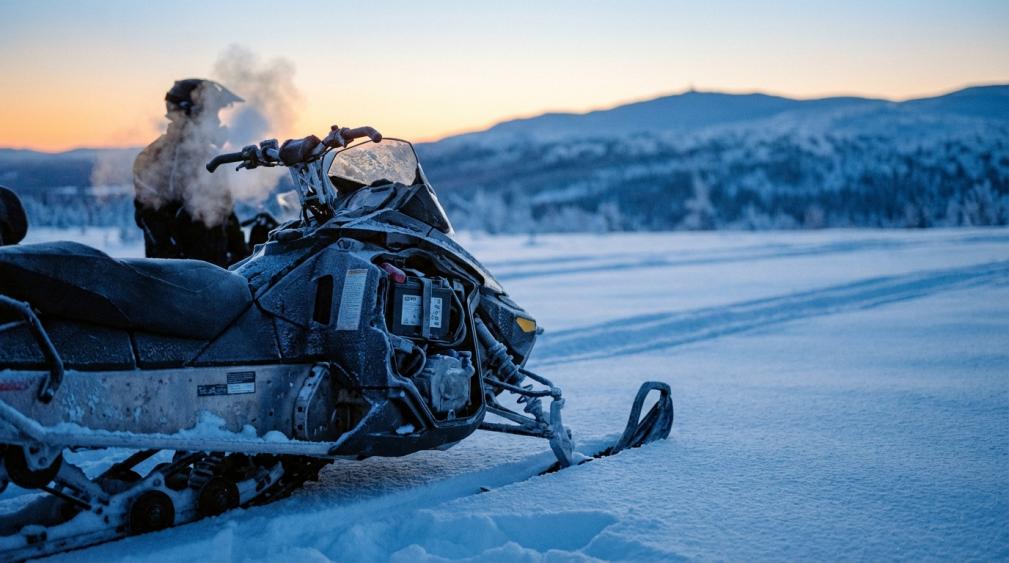
Picture a bluebird morning in January: perfect powder, you hit the starter, the sled fires half‑heartedly once, then all you hear is a click and sagging lights. That is what happens when a battery loses the cold war. Riders using modern LiFePO4 packs report winter setups that crank harder, last for years, and move easily from sled to sled—but only when the battery, charging strategy, and mounting are matched to real snowmobile abuse. This guide walks through what changes with a LiFePO4 retrofit, how cold and vibration really affect it, and how to set up a system that starts when everyone else is still pulling the rope.
What a LiFePO4 Retrofit Actually Changes on a Sled
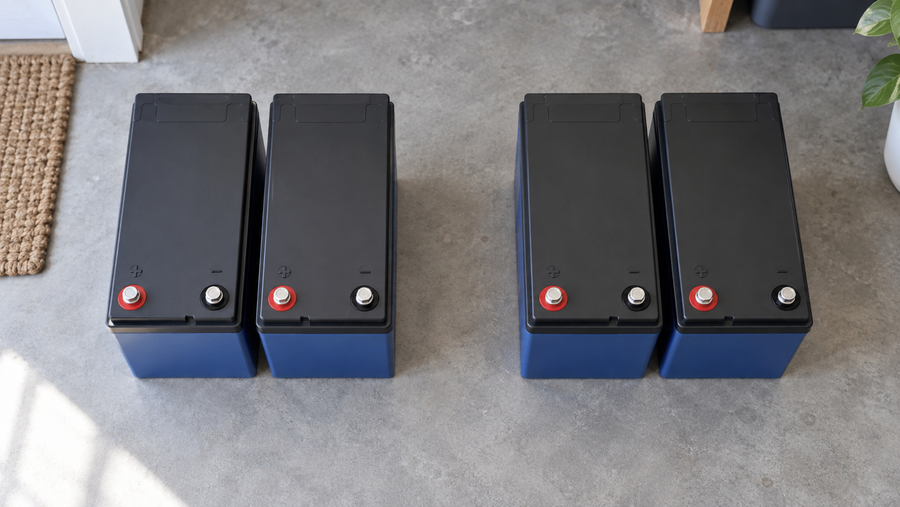
Retrofitting LiFePO4 means swapping the stock lead‑acid starter battery for a lithium iron phosphate pack built for snowmobiles. Instead of simply matching physical size and voltage, you are trading chemistry, weight, and behavior in cold weather. Manufacturers focused on powersports lithium describe their snowmobile LiFePO4 batteries as up to about 70% lighter than comparable lead‑acid units, with chemistry and construction chosen to handle shocks, vibrations, moisture, and temperature extremes. That weight drop is not just a spec‑sheet trophy; taking several pounds off the nose makes the sled easier to maneuver and less tiring to muscle in deep snow.
Cycle life and usable energy are just as important. Deep‑cycle LiFePO4 batteries routinely deliver roughly 3,000–5,000 cycles, versus around 400 cycles for typical lead‑acid. Lead‑acid packs generally should not be discharged below about half their rated capacity, while LiFePO4 can safely use around 80–90% per cycle. Put those together and you get a battery that both lasts for many more seasons and delivers more of its stored energy to the starter and accessories on each ride.
Snowmobile riders echo this long‑term effect. In one HardcoreSledder thread, a lithium starter battery has been moved across several sleds over roughly a decade while still cranking like new, while conventional lead‑acid batteries on similar machines needed replacement more than once and had become relatively expensive. From a practical standpoint, the retrofit shifts the purchase from throwaway consumable to long‑term component that can follow you as you change sleds.

The tradeoff is that LiFePO4 behaves differently under the two stresses a sled delivers in spades: deep cold and constant vibration. Handle those correctly and the retrofit becomes an upgrade rather than an expensive science project.
Cold: The First Test Your Retrofitted LiFePO4 Must Pass
How much power do you really lose in deep winter?
Every chemistry loses performance in the cold, but the shape of the loss is what matters. Lab data on LiFePO4 batteries shows they hold about 95–98% of rated capacity at 32°F, around 80% at 14°F, and roughly 60–70% at -4°F. Other cold‑weather LiFePO4 analyses line up closely, showing about 70–80% of capacity available around -4°F and further reductions as you head toward -22°F.
When you compare that to lead‑acid, the difference is stark. Many lead‑acid batteries can lose up to about half their usable energy at 32°F alone, with significant voltage sag that shuts electronics down early. Snowmobile‑oriented lithium batteries, by contrast, can retain up to roughly 70% of their power at about -4°F, whereas lead‑acid may deliver closer to 45% under similar conditions. This is exactly why more sledders are considering lithium in the first place: at the temperatures where you actually ride, a well‑designed LiFePO4 pack still has meaningful cranking power when a tired lead‑acid battery feels like sludge.
A simple way to think about it is to imagine a pack that gives you four strong start attempts at room temperature. At 14°F, that same LiFePO4 battery may still give you around three robust attempts instead of just one slow grind, while a similar lead‑acid might already be struggling to reach two useful tries before voltage collapses. That extra margin is the difference between riding and wrenching.

Charging rules in freezing conditions
Cold discharge is inconvenient; cold charging can quietly destroy a pack. Multiple technical guides stress that charging LiFePO4 below about 32°F risks lithium plating on the anode, which causes permanent damage. Manufacturer guidance for deep‑cycle LiFePO4 is explicit: do not charge when the battery is below freezing. Instead, bring it into a range around 32–80°F for safe charging.
Snowmobile‑specific lithium packs bake this into their electronics. A proper Battery Management System (BMS) monitors temperature, controls charge and discharge limits, and protects against over‑charge and deep‑discharge. Riders using NOCO powersports lithium batteries report that the BMS simply will not allow charging below about 14°F internal temperature and may initially limit starting current in extreme cold until the cells warm, with the manual recommending repeated short crank attempts to self‑heat the pack.
Many LiFePO4 products aimed at winter use now include advanced BMS logic and sometimes integrated heaters that automatically warm the cells before charging begins. Cold‑weather LiFePO4 lines for off‑grid and camping use highlight packs with BMS‑controlled low‑temperature charge blocking, with some models adding internal heaters to bring the cells up near freezing before accepting current. Testing shows that modest active heating tends to consume only a small fraction of stored energy but can recover 15–20% more usable capacity in sub‑freezing conditions compared with an unheated pack.
For a retrofitted sled, that translates into a few non‑negotiable habits. Charge the battery in a space at or above freezing whenever possible, whether that is a heated shop or a corner of the house. Use a lithium‑compatible charger rather than a generic automotive unit, since aggressive charging—such as about a 1C rate at 32°F—can already cause measurable permanent capacity loss over a few dozen cycles. If the battery offers a heating mode, enable it before winter charging sessions. When you absolutely must charge in a marginally cold environment, keep currents low and avoid pushing the battery to a full 100% in those conditions.

Cold‑start techniques that actually work
Riders have been improvising "wake up" techniques for lithium powersports batteries, and the better guides now formalize them. Battery specialists repeatedly recommend turning the ignition on and letting lights and accessories draw current for a short period before hitting the starter in extreme cold, allowing the cells to warm internally. Their snowmobile and motorcycle winter tips emphasize using warm storage, insulated blankets around the battery, and a routine of waking the pack before demanding peak cranking power.
Snowmobile‑focused lithium articles add the same advice: briefly power the ignition and accessories to pre‑warm the pack, then crank. Riders discussing NOCO lithium batteries explain why this works in practice, since the BMS and cell chemistry both behave better once the battery has already handled a little current. Off‑grid LiFePO4 users make similar recommendations, effectively treating the battery like an engine that should not be slammed with full load the instant you turn it on in deep cold.
In retrofit terms, this means planning for a short pre‑start routine on the coldest days. If your sled is stored in a garage, use that as your ally: even an unheated garage often stays warmer than the outside air, and test data shows that placing LiFePO4 packs in semi‑conditioned spaces dramatically reduces winter performance losses. For riders who cannot guarantee warm storage, an insulated battery box can help buffer temperature swings and keep the pack closer to its preferred operating window. Combined with a warm‑up sequence and disciplined charging, that is usually enough to make a LiFePO4 retrofit feel as ready as a healthy lead‑acid pack, without the mid‑season slump.
Vibration and Shock: Will a LiFePO4 Pack Survive Sled Abuse?
Cold is only half the exam; a snowmobile hammers its battery with endless vibration, impacts from whoops and landings, and chassis flex. Here LiFePO4 chemistry and construction are often an advantage, provided you choose a pack designed for powersports. Snowmobile guidance from lithium manufacturers highlights LiFePO4 batteries engineered to resist shocks, vibrations, moisture, and temperature extremes, with product lines focused on motorcycles and powersports rather than static storage. That matters, because cell interconnects, BMS boards, and case designs must tolerate repeated hits at trail speeds.
Real‑world riders add informal validation. The decade‑old lithium starter battery described on HardcoreSledder has survived multiple sled platforms, including moving from a heavy‑battery turbo sled to later chassis, without vibration‑related failure. Across those seasons, the pack endured typical trail abuse, transport on trailers, and storage transitions while still delivering strong starts. While this is anecdotal, it aligns with LiFePO4's reputation for mechanical stability and long cycle life when assembled correctly.
The retrofit risk is not the chemistry itself but installation quality. A loosely mounted pack that can rattle, twist, or slam its terminals against the tray will kill even a premium lithium battery. To avoid that, treat the battery bay like a mechanical design problem. Ensure the LiFePO4 case fits firmly in the tray with adequate padding or shimming where recommended by the manufacturer. Route cables so they have enough slack for chassis movement without pulling on the terminals, but not so much that they flap and vibrate. Check that the BMS and any heater wiring are not pinched between plastic panels.
From a selection standpoint, fitment tools from serious manufacturers are a practical signal that they validate not only voltage and capacity but also physical integration across specific years and models, including older sleds. Using a snowmobile‑specific recommendation rather than guessing by generic size improves the odds that the case supports the right orientation, venting, and mounting points for your chassis, which in turn keeps vibration loads within the design envelope the pack was built for.
LiFePO4 vs Lead‑Acid in Cold Sled Use
A quick comparison helps clarify when the retrofit makes sense.
Feature |
LiFePO4 retrofit |
Conventional lead‑acid |
Winter capacity at 32°F |
Often retains most of rated capacity; specific LiFePO4 tests report roughly 95–98% around this point |
Many packs can lose up to about half their usable energy at this temperature |
Winter capacity around -4°F |
Snowmobile‑oriented lithium packs can retain up to roughly 70% of power according to cold‑weather test curves |
Often closer to about 45% usable power under similar conditions |
Usable depth of discharge |
Around 80–90% per cycle without harming lifespan |
Commonly limited to about 50% to avoid damage |
Cycle life |
Roughly 3,000–5,000 cycles in deep‑cycle LiFePO4 guidance |
Around 400 cycles for typical lead‑acid |
Weight |
Up to about 70% lighter in snowmobile examples |
Much heavier for the same starting performance |
In practice, this means a LiFePO4 retrofit is most compelling if you value lighter steering, consistent voltage for accessories, and long battery life. Cold‑weather discharge performance is generally better than lead‑acid, especially around freezing, and at -4°F it is at least competitive if the pack is sized and managed correctly. The main weakness is charging tolerance in the cold, where lead‑acid is more forgiving, and the need to respect the BMS's rules.
For riders who frequently store sleds outdoors through long, sub‑zero snaps, lithium battery makers and independent guides explicitly suggest that AGM (absorbed glass mat) batteries remain a solid option because of their robust cold‑cranking behavior and resilience. In extremely cold environments, certain lead‑acid formats can outperform LiFePO4 unless you add insulation, heaters, and careful management. That does not disqualify LiFePO4, but it sets the expectation that in the harshest climates, you must design the system as much as you buy it.

Retrofit Checklist: How to Do It Without Killing the Battery
A LiFePO4 retrofit works best when approached as a small project, not just a quick parts swap. Start by selecting a snowmobile‑specific LiFePO4 battery from a manufacturer that publishes clear winter behavior and offers a fitment guide or application chart. Choosing a pack that is one group size larger than the bare minimum for your sled gives extra cold‑cranking margin when capacity dips at low temperatures. Confirm that the battery uses LiFePO4 chemistry, includes a BMS with low‑temperature charge protection, and ideally has a built‑in heating function if your climate regularly drops below 0°F.
Before the first deep‑winter ride, test‑fit the pack and address vibration. Make sure the battery sits fully supported in the tray without rocking, that any required spacers or boots are installed, and that cables reach the terminals without strain at steering lock or full suspension compression. Take advantage of the weight savings by re‑balancing any accessory mounting around the nose if needed, rather than leaving unused brackets hanging as vibration sources.
Operation and maintenance finish the job. Follow pre‑start advice by turning the key on and letting the sled's electrical systems draw current briefly in very cold weather before cranking. Store the sled, or at least the battery, in a garage or shed whenever possible, since even modestly warmer storage pays large dividends in winter performance. Charge the battery regularly in season but only in environments at or above freezing, using a lithium‑compatible smart charger, and let any built‑in heater run before starting the charge in very cold conditions.
For off‑season storage, many snowmobile‑focused lithium guides suggest leaving the battery at roughly half to about 70% state of charge in a cool, dry, non‑freezing location and checking it periodically. That aligns well with LiFePO4's very low self‑discharge. Done right, that storage routine means your retrofit should wake up in the fall essentially ready to ride, rather than needing rescue charging or outright replacement.
FAQ
Will a LiFePO4 retrofit leave the sled dead after a night outside at -10°F?
Performance becomes less predictable as you drop well below around -4°F, which many snowmobile‑oriented lithium batteries list as their lower validated operating limit. Lab data shows that usable capacity can still be significant down around those temperatures, but BMS protections may block charging or even limit starting current until the cells warm. A sled left outside in -10°F air for many hours can cool the battery core below its specification, especially if it is not insulated. That is why the best practice is to combine LiFePO4 with warm or at least sheltered storage, some insulation around the battery compartment if appropriate, and a pre‑start warm‑up routine on the coldest mornings.
Is LiFePO4 always better than AGM for snowmobiles?
Not always. LiFePO4 has clear advantages in usable capacity, voltage stability, cycle life, and weight, and snowmobile‑specific data highlights solid cold‑temperature performance. However, AGM remains attractive for riders who live in extremely cold climates and cannot reliably keep their machines or batteries warm, because AGM retains capacity and cold‑cranking ability in those conditions without strict charging rules. In moderate to typical winter use, a well‑chosen LiFePO4 retrofit is a strong upgrade; in extreme cold with outdoor storage and little control over the charging environment, AGM may still be the safer, simpler path.
Closing
A LiFePO4 retrofit can turn a snowmobile's starting system from a fragile weak point into a long‑life, high‑output asset, but only if you respect the double test of cold and vibration. Choose a snowmobile‑ready LiFePO4 pack with robust BMS and, ideally, heating, mount it like it is part of the chassis, and follow winter‑smart charging and starting habits. Do that, and the battery becomes one less thing you worry about when the powder is deep and the thermometer is buried below freezing.
References
- https://www.tykoolbattery.com/choosing-the-best-lithium-battery-for-snowmobile-performance
- https://earthxbatteries.com/lithium-battery-solutions-for-snowmobiles/
- https://lithiumhub.com/lithium-batteries-in-cold-weather-everything-you-need-to-know/?srsltid=AfmBOorZBk3ioTEel5Qc2L6gMXSCZarxgklDxWkGhnqfgS7utVvfzO1w
- https://www.neexgent.com/article/how-cold-weather-affects-lifepo4-batteries.html
- https://www.relionbattery.com/knowledge/how-do-lifepo4-batteries-perform-in-cold-temperatures
- https://www.anernstore.com/blogs/off-grid-solar-solutions/lifepo4-deep-winter-loads-myths?srsltid=AfmBOoqC3uyImBtg-RPajN-PEXtuznBPkX9RepRE5oqIFqKzIG7WlJ0_
- https://www.bioennopower.com/blogs/news/why-lifepo-batteries-perform-better-in-winter-than-lead-acid?srsltid=AfmBOookhoCHMxHi46ySy9mDfaZ8LTAMfW4hJUqJ5YZpaI07TqBOVEaC
- https://brsbattery.com/blogs/news/understanding-lithium-batteries-cold-weather-tips?srsltid=AfmBOopGDbMejz1BI23Cj6w6RhNJSqGDj8neeTYZcMSeodDq9Dlul4Y4
- https://diysolarforum.com/threads/exactly-how-much-are-lifepo-not-lithium-in-general-batteries-affected-by-the-cold.12621/
- https://www.dootalk.com/threads/lithium-battery.1625922/