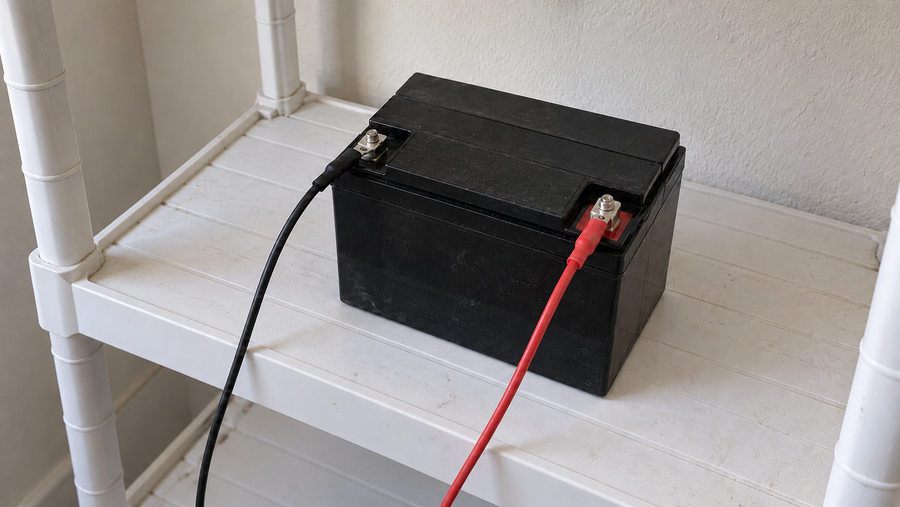
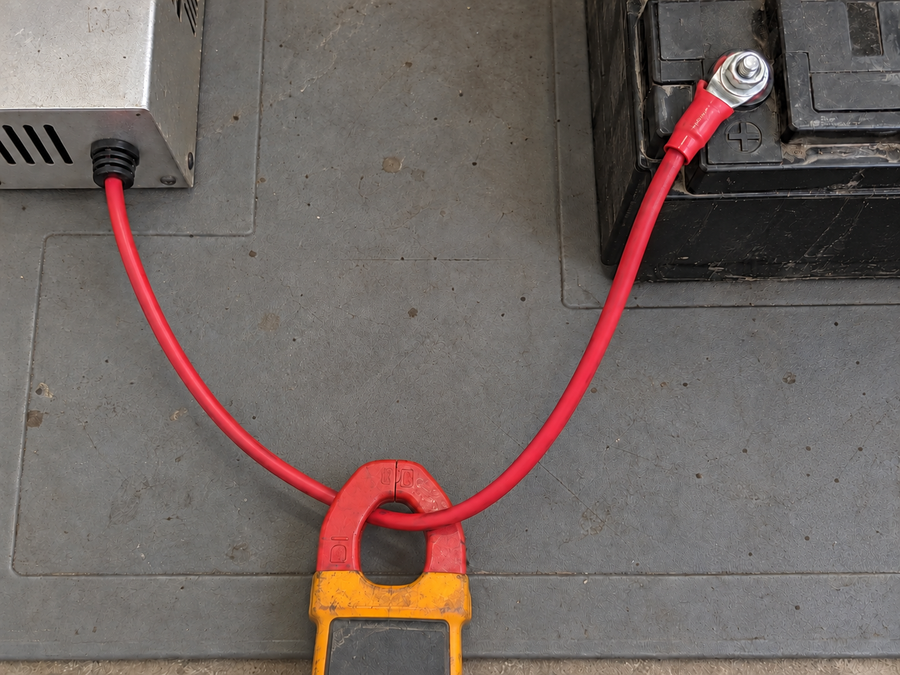
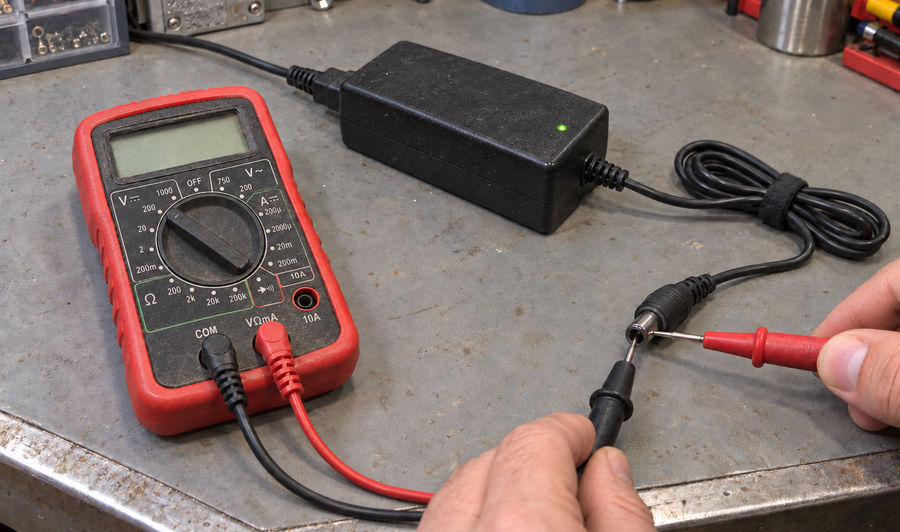
Before you buy, photograph the existing battery label and record the cart's system voltage, battery-compartment dimensions, charger requirements, and controller or motor information. If any item is unknown, pause and check the cart and battery manuals rather than guessing.
Confirm the cart's voltage before comparing batteries
Find the voltage on the cart label, owner's manual, or existing battery arrangement. Do not assume that a cart is 48V because it looks like another model. A 36V cart and a 48V cart need different battery systems, and a battery's marketing name does not override the cart's required voltage.

Write down:
- Cart system voltage: 36V, 48V, or another value shown in the manual
- Cart make, model, and year, if available
- Existing battery type and the number of batteries
- Controller and motor labels, including any stated voltage or current limits
- Whether the cart has accessories that draw from the battery system
If the cart label, battery arrangement, and manual disagree, stop at this point. Resolve the discrepancy with the cart manufacturer or a qualified technician before choosing a battery.
Check the electrical parts that must work together
A compatible battery is more than a voltage match. Compare the replacement battery's required charging voltage, continuous output, peak-output limits, terminal arrangement, and communication connections with the cart's controller, motor, charger, and wiring. Use the manuals for the exact model because a general compatibility claim cannot establish the limits of your cart.
Pay particular attention to the charger. It must be intended for the battery chemistry and match the battery's charging requirements. A charger supplied for lead-acid batteries should not be treated as lithium-compatible without confirmation. Also check whether the cart needs a separate converter for accessories or a particular communication cable.
For a practical pre-purchase record, fill in these fields from the relevant labels or manuals:
| Check | Your cart or existing system | Replacement-kit requirement | Result |
|---|---|---|---|
| System voltage | ____ | ____ | Match / stop |
| Charger chemistry and output | ____ | ____ | Match / stop |
| Controller and motor limits | ____ | ____ | Confirm with manual |
| Main cable and terminal arrangement | ____ | ____ | Confirm fit |
| Accessory or converter needs | ____ | ____ | Included / required / unknown |
Do not turn an unknown value into a yes. An unresolved charger, controller, or wiring requirement is a reason to delay the purchase, not a reason to rely on a higher amp-hour rating.
Measure the battery compartment and mounting points
Measure the usable length, width, and height inside the battery compartment. Include obstructions such as covers, cables, brackets, and the clearance needed to connect terminals. Compare those measurements with the kit's enclosure dimensions, then confirm how the battery is secured during driving.

For the supplied Vipboss 48V 150Ah conversion kit, the provided product information lists a 20.5-by-13.7-by-8.66-inch metal enclosure. Treat those dimensions as a product-specific starting point, then verify the actual clearance and mounting method against your cart and the kit manual.
Check these physical details before ordering:
- Enclosure length, width, and height
- Terminal location and cable reach
- Battery hold-down hardware or approved mounting method
- Clearance for the cover and nearby electrical parts
- Weight limits and the condition of the existing tray
- Corrosion, damaged metal, or loose hardware that should be repaired first
A battery can have the correct voltage and still be unsuitable if it cannot be secured without stressing terminals or cables.
Apply the safety and charger stop checks before buying
Use a charger listed for the specific cart and battery, and avoid modified or unlisted equipment. Key Biscayne Fire Rescue also advises using UL 2271-certified lithium-ion batteries and avoiding unattended or overnight charging in common garages; its guidance recommends keeping charging areas clear of combustibles and exit paths (golf cart lithium-ion battery safety guidance). Confirm which certification and installation requirements apply to the product and your location rather than assuming that a listing or description answers those questions.
Stop the purchase or installation if:
- The cart voltage is unknown or does not match the battery system.
- The charger chemistry, output, or charging profile is unresolved.
- The battery cannot be secured with an approved method.
- Cables, terminals, controller limits, or communication connections do not match.
- The product documentation does not answer a decision-critical question.
- The existing compartment or wiring shows damage that has not been repaired.
If smoke, popping sounds, swelling, visible damage, or unusual heat appears during charging or use, move away from the area and follow local emergency guidance. Do not continue testing a damaged battery.
Make the buy-or-wait decision
Buy only when every required field has a documented match: system voltage, charger, controller and motor requirements, physical dimensions, mounting, terminals, cables, and safety documentation. For a 48V cart, the Vipboss kit may fit the checklist as a product candidate because its supplied description identifies a 51.2V lithium system and includes a lithium-compatible charger and connection hardware, but the final decision still depends on your cart-specific measurements and manuals.
If one field is blank, mark the kit “not yet confirmed” and get that answer before paying. This simple rule prevents the most expensive mistake in a conversion: owning a battery that fits the advertised category but not the cart in front of you.