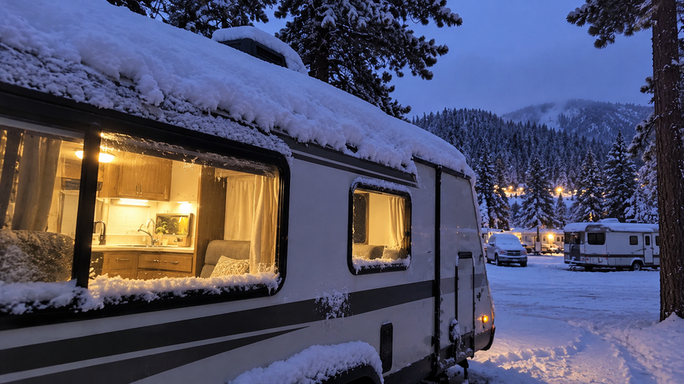

There is no universally best battery chemistry for a cold-climate off-grid system. A LiFePO4 battery with low-temperature charge protection is a strong choice when you can keep it within its permitted charging conditions. If the battery location stays below freezing, choose the battery together with a deliberate thermal strategy—or select another battery approach whose specified operating limits fit that location.
Why charging temperature matters
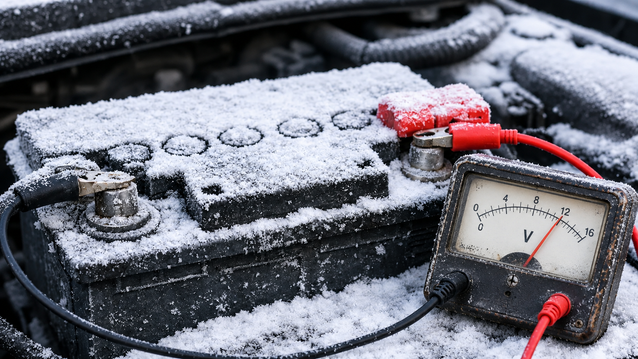
Charging and discharging need separate temperature checks. A battery’s ability to supply power in cold conditions does not establish that it can safely accept a charge at the same temperature. For an off-grid system, both matter: the battery must power loads and accept energy when your charging source is available.
At low temperatures, lithium-ion charging can cause lithium plating—the deposition of lithium on the electrode surface rather than its intended storage within the electrode. This can reduce capacity, increase resistance, and create safety risks. Sandia National Laboratories explains these temperature-dependent lithium-ion degradation mechanisms and notes that battery chemistries respond differently to operating conditions. That is why a single cold-charging cutoff should not be assumed for every lithium battery.
Choose the battery and its winter location together

1. Start with permitted charging conditions and protection. Compare the battery’s specified charging-temperature range with the temperatures expected at the battery itself, not just the outdoor weather forecast. For LiFePO4, prioritize low-temperature charge protection so the system can prevent charging outside the battery’s permitted conditions. Check the discharge-temperature range separately against the conditions in which you need power.
The Vipboss 12V 105Ah Bluetooth LiFePO4 Lithium Battery is an example with low-temperature charge protection and a built-in 100A smart battery management system (BMS). Its 12.8V, 105Ah rating provides 1,344Wh of rated energy, while Bluetooth monitoring provides a way to monitor the battery as part of system management. These are useful features to consider alongside the charging conditions and energy needs of your installation.
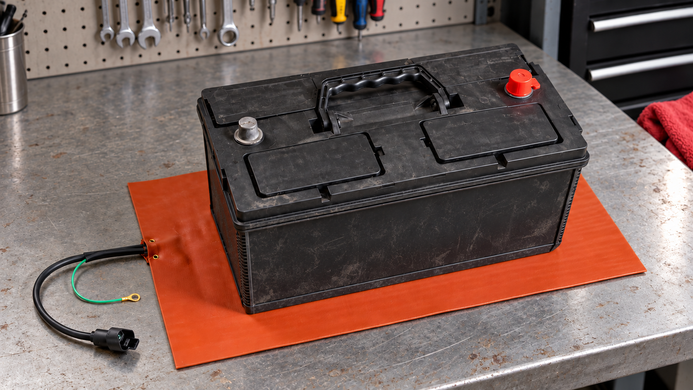
2. Decide how the battery will stay warm enough to charge. If its location remains within the permitted charging range, a protected LiFePO4 battery is a practical candidate. If the location falls outside that range, plan a suitable temperature-controlled location or a heating arrangement designed for the battery installation. Low-temperature charge protection stops charging; it does not heat the battery.
For a persistently freezing location, include the energy required for temperature control in the off-grid energy budget. If you cannot maintain suitable charging conditions, choose another battery approach with charge and discharge ratings that cover the actual conditions. Changing chemistry alone is not a substitute for matching those ratings to the site.
3. Size for the winter job, not just the battery label. Estimate the energy your loads need between charging opportunities, then account for any battery-temperature control. Select capacity using the battery’s applicable temperature and operating specifications rather than assuming its nominal energy rating establishes winter runtime.
The deciding question is whether the battery can both supply your loads and accept the next charge in its installed winter conditions. Resolve that before choosing capacity or adding more batteries.
Frequently Asked Questions
Is LiFePO4 the best battery for every cold-climate off-grid system?
No. It is a strong option when the system can keep charging within the battery's permitted temperature range and benefit from its usable energy and monitoring features. Sites that cannot control cold charging may need a different battery or installation strategy.
Should battery-heating energy be included in off-grid system sizing?
Yes. Heating consumes energy that would otherwise serve the loads, so include it in the winter energy budget along with reduced solar production, longer nights, and the required reserve between charging opportunities.
How can solar or generator charging be made safe in very cold weather?
Use battery-temperature-based charging control, low-temperature BMS protection, and compatible charging equipment. Charging should remain inhibited until the battery meets its specified recovery condition, regardless of whether the source is solar, a generator, or the grid.