Blackouts, higher electricity prices, and rooftop solar have pushed many households to look seriously at battery storage for the home. Two chemistries appear in almost every quote: LiFePO4 and other lithium-ion batteries. Both sit in the same big “lithium” family, yet they behave very differently in a house. Once you understand those differences, choosing a home power storage battery becomes much easier.
What Is LiFePO4 Battery?
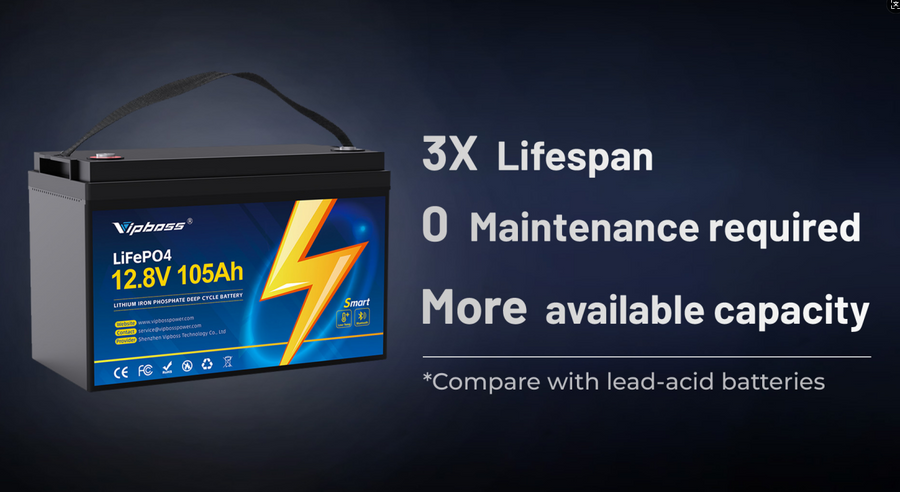
A LiFePO4 battery is a lithium battery that uses lithium iron phosphate as the cathode material, often shortened to LFP. Each cell runs at about 3.2 volts and is built as a deep-cycle battery, so it can charge and discharge regularly without wearing out quickly. You see LiFePO4 in solar storage systems, home energy storage units, RVs, boats, and off-grid setups because it combines solid energy density with strong safety and long cycle life.
How Is It Different from Other Lithium-ion Batteries?
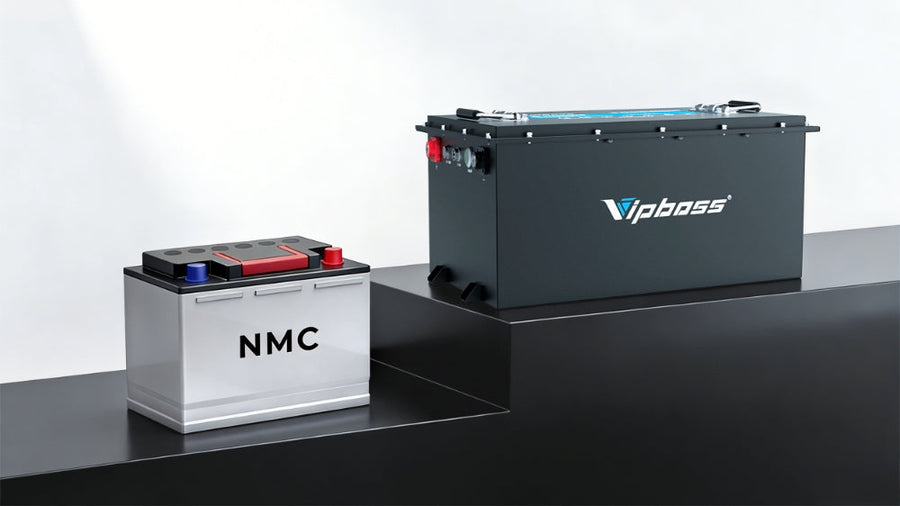
Most other Lithium-ion battery types used in energy storage rely on nickel, manganese, and cobalt (NMC) or similar blends at the cathode. That change creates three clear gaps between LiFePO4 and those chemistries:
Energy Density
- LiFePO4: usually around 90–160 Wh/kg
- NMC and similar: often around 150–250 Wh/kg
Cycle Life
- LiFePO4: commonly rated in the 2,000–4,000+ full-cycle range for stationary storage
- NMC: often rated around 1,000–2,000 full cycles
Thermal Behavior
- LiFePO4: thermal runaway typically appears near 270°C
- NMC: thermal runaway often begins closer to 200–210°C
So in practice, you are comparing a slightly bulkier but calmer chemistry with longer life against a compact chemistry that runs hotter and usually wears out sooner.

LiFePO4 and Lithium-ion Batteries: A Side-by-Side Comparison
Looking at the numbers side by side helps frame the choice for battery storage for the home.
| Aspect | LiFePO4 | NMC / Similar Lithium-ion |
| Energy Density | About 90–160 Wh/kg | About 150–250 Wh/kg |
| Cycle Life (to ~80% capacity) | Roughly 2,000–4,000+ full cycles | Roughly 1,000–2,000 full cycles |
| Thermal Runaway Threshold | Around 270°C | Around 200–210°C |
| Typical Role in Homes | Solar storage, off-grid battery system, backup | Slim wall units, compact all-in-one systems |
| Lifetime Value | Often higher upfront, usually lower cost per cycle | Often lower upfront, usually higher cost per cycle |
For a detached house with a garage or utility room, there is usually enough space for a slightly larger cabinet. In that setting, safety margins, predictable behavior, and total cost over many years matter more than shaving a few centimeters off the enclosure.

Which Battery Is Safer and Longer-lasting in Real Home Use?
This part focuses on two questions that matter most inside a house: how each chemistry behaves when something goes wrong, and how long it serves under daily use.
Safety in a House
LiFePO4
- The phosphate structure is very stable and does not release oxygen easily.
- Thermal runaway typically appears only at much higher temperatures.
- Many safety reviews treat LiFePO4 as one of the most forgiving lithium chemistries for home energy storage.
NMC-type Lithium-ion
- Cells carry higher voltage and pack more energy into the same size.
- Thermal runaway usually starts at a lower temperature band.
- Packs depend heavily on careful thermal management and protection to keep risk low.
With a good battery management system and proper installation, both can run safely. LiFePO4 simply offers a wider buffer before temperatures or faults become critical, which feels reassuring when the battery hangs on a wall near stored items, vehicles, or living spaces.
Lifetime in Daily Use
LiFePO4
- Many energy storage products built on LiFePO4 list cycle life figures in the 2,000–4,000 or higher range.
- In a solar home that cycles roughly once per day, this often lines up with eight to ten years of useful service before capacity falls to a level that starts to feel limiting.
NMC and Similar Chemistries
- Full-cycle ratings commonly fall between 1,000 and 2,000 cycles.
- Under the same daily cycling pattern, replacement becomes attractive several years earlier than with LiFePO4.
For families who plan to lean on stored solar energy almost every evening, LiFePO4 usually matches that long, steady workload much better.

When a LiFePO4 Battery Makes More Sense at Home or Off-Grid
LiFePO4 tends to be the natural choice once the battery is expected to work hard every week.
Typical situations:
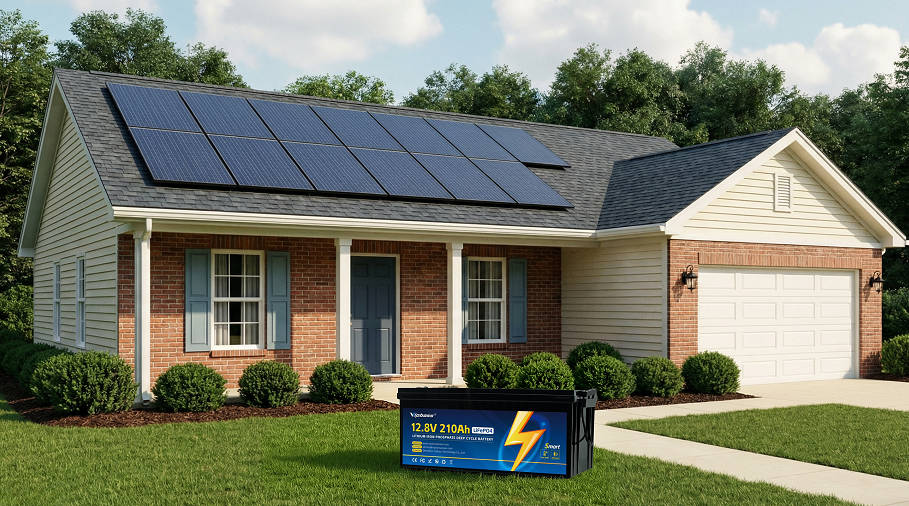
- A rooftop solar array charges the battery most days, and the system runs key loads through the evening and at night.
- An off-grid battery system keeps a cabin, farm, or remote home powered through all seasons without a utility connection.
- The local grid is unreliable and outages are frequent, so the battery bank sees regular deep discharges during storms.
In these scenarios, the pack cycles often and sits in spaces that may get warm in summer. Long cycle life, stable thermal behavior, and low maintenance make a LiFePO4 battery very suitable for this pattern. For many homeowners, the final decision is driven by cost per useful kilowatt-hour over the life of the system. A LiFePO4 bank that delivers thousands of efficient cycles often lowers that figure, even when the initial price per kilowatt-hour of capacity is slightly higher.
When a Conventional Lithium-ion Battery Is Still a Good Option
Other Lithium-ion battery chemistries still make sense in certain residential projects, especially when physical constraints dominate the design.
They often fit when:
- Wall space is extremely limited, and only a very slim enclosure fits near existing equipment.
- The system serves mainly as an emergency backup and might only discharge deeply a few times each year.
- A compact all-in-one unit was originally engineered around NMC modules and now needs a like-for-like replacement pack.
In these situations, the higher energy density of NMC packs helps manufacturers keep cabinets thin and light. If the pack rarely cycles, calendar life and electronic aging may become the limiting factors rather than the cycle count itself, so the shorter cycle rating is less of an issue. The usual rules still apply: choose certified equipment, follow the installation manual, keep clearances and ventilation, and ensure that protection devices and the battery management system are correctly configured.
Choose the Right Battery for Your Home: From Comparison to Action
Once the differences in safety, cycle life, and size are clear, the choice becomes a match between the battery chemistry and your routine. Daily solar use, long ownership plans, and a desire for calm behavior inside the house often point toward LiFePO4 for home energy storage. Beyond chemistry selection, sizing your battery bank correctly ensures you store enough energy to cover your actual daily consumption without overspending on unused capacity. Tight closets, rare outages, or fixed legacy hardware can tilt the decision toward a compact NMC-based system. With these points in mind, a direct conversation with a qualified installer can quickly turn the comparison into a storage setup that feels safe, practical, and cost-effective for your household.
FAQs
Q1. Is LiFePO4 always the better choice in LiFePO4 vs. Lithium-ion for home solar?
No single chemistry wins in every case. In LiFePO4 vs. Lithium-ion comparisons, LiFePO4 usually wins on safety, cycle life, and cost per cycle for daily solar use. High-energy-density lithium-ion packs can still make sense where space is very limited or cycling is rare, such as compact backup-only systems.
Q2. How do cold temperatures affect LiFePO4 and other lithium-ion batteries in home storage?
Both chemistries lose capacity in cold weather, but LiFePO4 is more sensitive to charging below freezing. Good systems include low temperature cutoffs or heaters so cells are only charged within a safe range. NMC packs also need protection, yet their higher energy density does not remove the need for thermal control.
Q3. Can I replace a lead-acid bank with LiFePO4 in an existing off-grid battery system?
Often yes, but it is not a drop in swap. You need a charger and inverter that support lithium profiles, new cabling checks, and appropriate fusing. LiFePO4 runs at similar system voltages but prefers shallower voltage windows and precise battery management, so professional design review is strongly recommended.
Q4. In LiFePO4 vs. Lithium-ion, how do warranties usually compare for home energy storage?
Manufacturers often pair LiFePO4 packs with longer warranties, for example, 10 years or a specific cycle count, because the chemistry tolerates frequent cycling. NMC-based systems may carry shorter terms or lower guaranteed throughput. The exact promise depends on the brand, so homeowners should read both the years and the warranted kilowatt-hours.
Q5. Does fire code compliance differ between LiFePO4 and other lithium-ion chemistries at home?
Most jurisdictions apply the same safety standards to all residential lithium systems, focusing on enclosure ratings, clearances, and certified testing. In practice, LiFePO4 vs. Lithium-ion discussions matter because inspectors and insurers may look more favorably on chemistries with better thermal behavior, but compliance still depends on the complete system design, not chemistry alone.