Electricity bills feel less predictable every year, and storms that used to be background noise now knock out power for hours. In that reality, home battery storage starts to look like basic household infrastructure, something that keeps daily life moving when the grid falters. Getting the size right means your battery can quietly cover the moments that matter instead of failing early or locking cash into capacity you never touch.
What Is Home Battery Storage
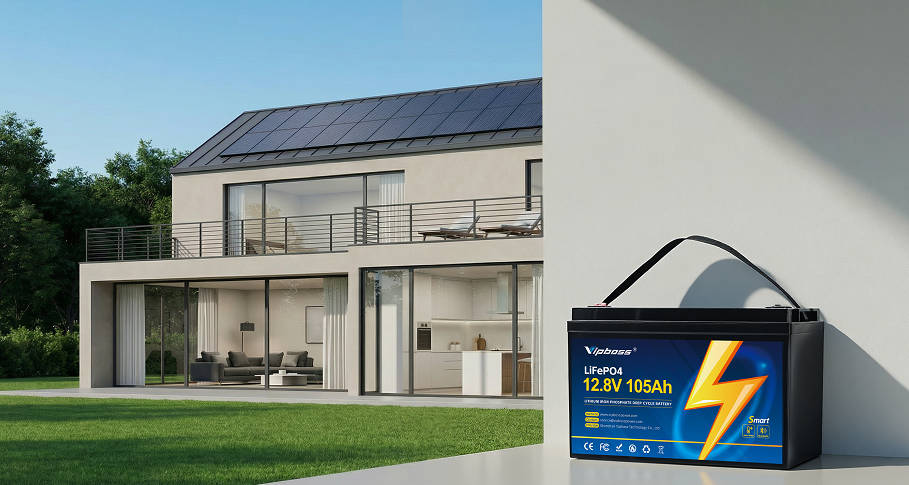
Home battery storage is a rechargeable battery system that stores electricity for later use. It usually sits between your home, the grid, and possibly rooftop solar. During times of cheap or abundant power, the battery charges. When rates rise, solar drops, or the grid fails, the battery discharges to keep your lights, fridge, and other selected circuits running.
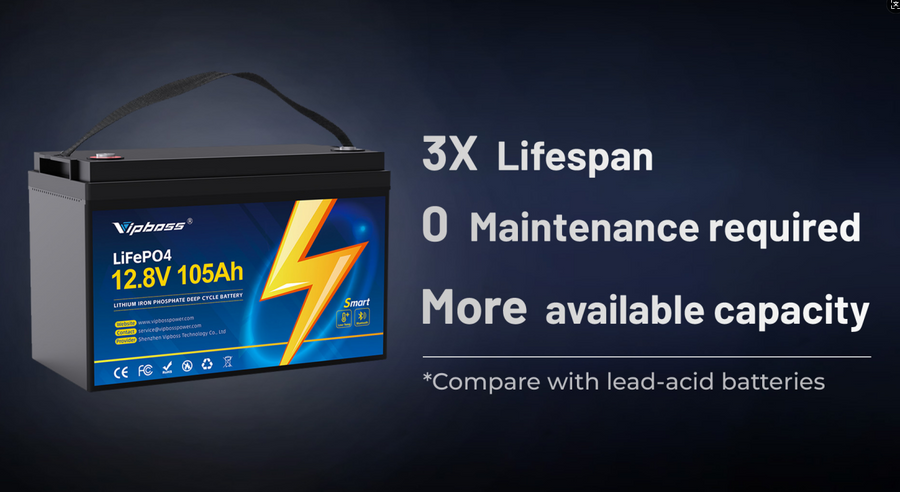
Most modern systems rely on lithium chemistries such as LiFePO4 because they offer long cycle life and high safety when installed and used correctly. Many LiFePO4 packs can reach thousands of cycles at typical depths of discharge.
Is It Worth It in 2026?
For a growing number of homes, the answer leans toward yes, especially in 2026. Several trends support the case:
- Battery pack prices have dropped significantly in the last few years, with global storage system costs falling as supply chains mature.
- Time-of-use tariffs and export limits on solar make self-consumption more attractive. Storing midday solar for evening use improves the value of a rooftop system.
- Outages from storms and heat waves are now part of planning, not an exception. Batteries bring quiet, automatic backup in situations that would once require a fuel generator.
Some households invest mainly for resilience, others aim at bill savings, and many care about both. That mix of motivations will shape how large a system makes sense.

How to Use Your Power Bill to Size Battery Storage for Home
Before looking at product brochures, it helps to understand what your home actually uses. Your electricity bill is the easiest place to start sizing battery storage for your home.
On the bill, find the total kilowatt-hours (kWh) used for the billing period. For example, the average US household consumes around 860 kWh per month, which is roughly 29 kWh per day, although individual homes can sit far above or below that average.
You can turn your own bill into a daily figure with a simple formula:
Daily kWh = Monthly kWh / Number of days in the billing period
For example, if the bill shows 900 kWh across 30 days:
Daily kWh = 900 / 30 = 30 kWh/day
Keep that number in mind. It describes your overall consumption, and you will soon decide which part of that consumption you want a battery to cover.
How Many kWh of Home Power Storage Battery Do You Really Need?
A home power storage battery usually does not need to cover your entire daily consumption. In many homes, it is sized around a smaller group of "critical loads" that you care about during outages or expensive evening hours.
Identify Your Critical Loads
Start by listing the equipment you really want to keep running when the grid goes down or prices spike. For many households, this short list includes:
- fridge and freezer
- internet modem, router, and a few wall outlets
- key lighting circuits
- a well pump or a small split AC unit in hot climates
Those items form a mini version of your home's demand. They are the loads your battery needs to support reliably.
Estimate How Long You Want Critical Loads to Run
Next, decide how long you want those critical loads to run. Once you have an estimate of their combined power draw, you can turn it into energy with a simple formula:
Required kWh = total critical load (kW) x hours of coverage
If your critical loads add up to about 0.5 kW (500 W) and you want 10 hours of coverage, the calculation looks like this:
Required kWh = 0.5 x 10 = 5 kWh
If you prefer to think in days, first work out the daily critical energy use, then multiply by the number of days you want to bridge:
Required kWh for N days = daily critical kWh x number of days
After you have that number, add a margin for inverter losses and a bit of reserve so the battery is not drained to the limit every time. This gives you a practical target capacity instead of a guess based on someone else's home.

Which Home Energy Storage Battery Size Fits Your Type of Household?
Once you know the rough energy requirement for your key loads, it becomes easier to map your home to typical capacity bands used in home energy storage battery projects. Industry reports and installers often group homes into a few categories.
| Household Type | Typical Daily Use (kWh) | Common Battery Size Range (kWh) | Notes |
| Small apartment or compact home | Up to ~15 | 5-10 | Focus on evenings and short outages |
| Average detached home with some AC | Around 20-30 | 10-20 | Pairs well with rooftop solar and TOU tariffs |
| Large home, heavy loads or EV | 30+ | 20-40+ | Often needs multiple units or modular stacks |
These ranges are not strict rules. A small, very efficient house in a mild climate could live comfortably with a modest battery, while a similar-sized home running electric heating in winter might lean toward higher capacity. The table simply helps frame realistic expectations before you gather quotes.
Key Technical Specs to Consider for Home Lithium Battery Storage
Capacity in kWh is only the starting point. For home lithium battery storage to feel reliable in daily use, several other technical parameters matter. When you compare products and proposals, pay close attention to these points:
Power Rating (kW)
Capacity tells you how long the battery can run. Power tells you how much it can run at once. If you want the system to handle a pump, microwave, and lights together, check the continuous and peak kW ratings and make sure they cover that combined demand with some headroom.
Depth of Discharge and Usable Energy
Many systems specify a usable percentage of the total capacity. For example, a 10 kWh pack with 90 percent usable energy effectively gives 9 kWh per cycle. Staying within that usable window helps preserve cycle life and keeps performance more stable over time.
Cycle Life and Chemistry
LiFePO4-based lithium battery home storage solutions usually deliver thousands of cycles when operated within the recommended depth of discharge and temperature range. Many are backed by warranties around 10 years, which roughly tracks the expected service life in normal residential use.
Round-Trip Efficiency
Every charge and discharge comes with some loss. Higher round-trip efficiency means more of your solar or off-peak power ends up doing useful work in the home instead of turning into heat. Over hundreds of cycles per year, a few percentage points of efficiency can add up.
Scalability and Integration
Check whether extra modules can be stacked later in case your needs grow. At the same time, confirm that the battery integrates cleanly with your inverter, monitoring platform, and any planned EV charger or smart panel. Good integration makes the whole home battery storage system easier to operate and expand.

How Much Does Home Battery Storage Cost
Pricing depends on labor rates, permits, local incentives, and hardware choices, so only broad ranges make sense in a general overview. Still, those ranges are useful when you think about budget and value for home battery storage.
Recent cost studies and industry surveys show:
- Residential battery pack hardware around 250 to 300 dollars per kWh for many lithium systems, before inverters and installation
- Fully installed residential systems in several markets often landing between roughly 600 and 1400 dollars per kWh, once hardware, balance of system, design, and labor are included
In practice, that means a 10 to 15 kWh system can reach from the high four figures to the low or mid five figures before incentives. Local rebates, tax credits, and financing tools can shift that picture quite a bit.
When Does It Pay Off?
Payback depends strongly on your situation. Several recent analyses place typical payback time around 7 to 12 years for homes that combine batteries with rooftop solar and time-of-use or high retail rates. The economics improve significantly when households use peak shaving strategies during high-usage periods such as holiday gatherings.
Shorter paybacks often appear in markets with very expensive electricity or strong storage incentives. Longer paybacks are common where energy remains cheap and policy support is limited. Running a simple model based on your actual bill, rate schedule, and any available subsidies gives the most honest answer for your home.
Make a Confident Choice on Your Home Battery Storage Size
By reading your bill, identifying the loads that matter most, and matching those needs to realistic capacity bands, you can narrow the field before you ever request a quote. A right-sized home battery storage system will feel like a calm, predictable part of your home, catching outages and shaping bills in the background. With the numbers in hand and a clear view of technical trade-offs, conversations with installers become easier, and your final decision rests on data instead of sales pressure.
FAQs
Q1: Do I need permits or inspections for a home battery storage system?
In most regions, yes. Installers typically pull electrical permits, submit a line diagram, and schedule inspections. Utilities may also require an interconnection agreement for grid-tied systems. Compliant work usually follows local electrical code plus product standards like UL 9540.
Q2: Where is the safest place to install a home battery storage unit?
Installers often choose a cool, dry, and well-ventilated location such as a garage, utility room, or exterior wall. Clearance around the cabinet, avoidance of sleeping areas, and distance from ignition sources usually follow manufacturer instructions and local fire or building codes.
Q3: How does home battery storage interact with a standby generator?
Hybrid setups need careful control logic. The inverter must recognize when a generator is running, avoid back-feeding it, and respect its capacity. Some systems use dedicated generator input ports and automatic transfer switches so solar, battery, and generator cooperate without fighting each other.
Q4: Will adding a home battery storage system affect my homeowner's insurance?
Some insurers want to know when energy storage is installed, especially for larger systems. Properly listed equipment, proof of professional installation, and passed inspections usually keep underwriting smooth. Documentation helps if you ever need to claim storm damage or grid-related losses.
Q5: How often should a home battery storage system be serviced or checked?
Routine service is light compared with engines or fuel generators. Many systems only need periodic visual checks, firmware updates, and confirmation that logs show normal operation. Installers may offer annual inspections to verify connections, ventilation, and performance data from the monitoring platform.