If you live in an RV several months a year, run a cabin off solar, or power a trolling motor on a small boat, battery safety is very real. The bank often sits under your bed, under a dinette seat, or in the same compartment as other gear. Many people have heard about lithium fires and thermal runaway and wonder if a LiFePO4 battery is really safe enough to trust in that space. The short answer is encouraging, but it helps to understand the details before you commit.
What Is a LiFePO4 Battery?
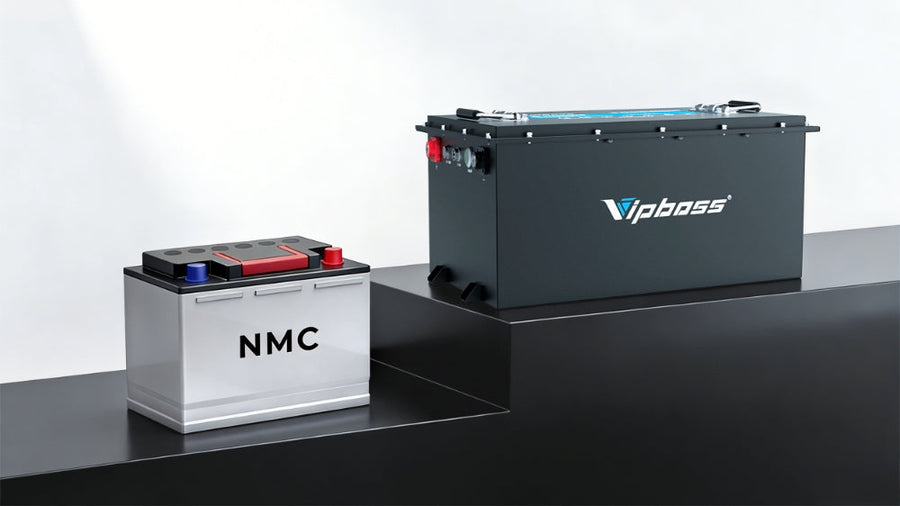
A LiFePO4 battery is a member of the lithium-ion battery family that uses lithium iron phosphate as the cathode material. In technical documents, you will see it written as lithium iron phosphate batteries, often shortened to LFP. Instead of cobalt-rich cathodes such as NMC or NCA, LFP uses an iron phosphate structure that behaves differently when stressed.
A few traits stand out:
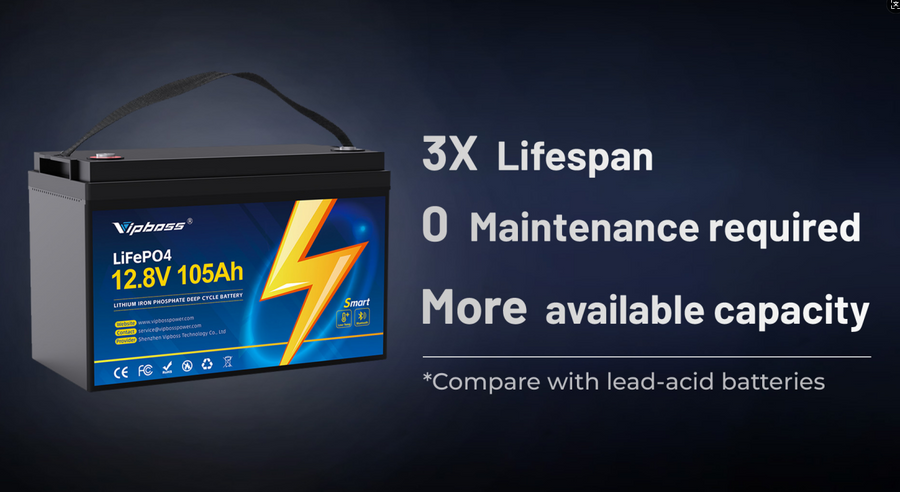
- A 4-cell pack has a nominal voltage around 12.8 volts, which lines up well with traditional 12-volt lead-acid systems used in RVs and boats.
- Many LFP products are rated for two to five thousand cycles at typical depths of discharge, and some deep cycle models go higher when managed correctly.
- The chemistry is designed for deep cycling rather than engine cranking, so it fits house banks, solar storage, and trolling motors better than starter roles.
That combination explains why a LiFePO4 battery now appears in so many RV, marine, and off-grid solar setups.
Are LiFePO4 Batteries Safer Than Other Lithium Batteries?
Yes, compared with many earlier lithium chemistries, LiFePO4 has a strong safety reputation. The main reason lies in how the cathode handles heat and abuse.
Thermal Stability and Fire Behavior
Cobalt-based lithium cells can release oxygen from the cathode when overheated. That oxygen feeds combustion inside the cell during thermal runaway. LFP’s iron phosphate framework holds oxygen much more tightly, so the reaction is far less violent if a failure occurs.
Comparative work on LFP and NMC packs for home energy storage highlights this difference. LFP batteries are often described as highly resistant to overheating and significantly less prone to thermal runaway, which is why many grid storage projects in fire-prone areas specify LiFePO4 chemistry.

Operating Temperature and Cycle Life
Many datasheets list an operating range of roughly −20 °C to 60 °C (about −4 °F to 140 °F) for LFP packs, with best performance between 0 °C and 45 °C. That wide window matters in vehicles and cabins where temperatures are not perfectly controlled.
Cycle life is another part of the safety story. Lithium iron phosphate batteries tolerate repeated deep cycles with less degradation, which lowers the odds that a badly aged pack with high internal resistance is hiding inside your system. Thousands of usable cycles are common in solar and off-grid applications when the system is designed sensibly.
Overall, if you compare chemistries at the cell level, LiFePO4 is consistently ranked among the safest lithium battery options for stationary and mobile energy storage.
What Risks Do LiFePO4 Batteries Still Have?
“Safer” does not mean “foolproof.” Several real-world risks remain, and most of them are tied to system design, installation, and control electronics rather than chemistry alone.
Abuse Conditions and Poor Design
A LiFePO4 cell can still be forced into failure if it is severely overcharged, shorted externally, punctured, or exposed to external fire. Poor pack design amplifies that risk. Examples include:
- No main fuse or breaker on the positive bus
- Undersized cables that run hot under normal loads
- Loose lugs or corroded terminals that create high-resistance joints
In situations like that, a fault in the wiring can become the ignition source long before any cell misbehaves internally.
Temperature, Storage, and BMS Quality
LFP handles heat better than many chemistries, but it still ages faster at high temperatures and dislikes charging when very cold. Many manufacturers specify that charging should occur only above freezing and recommend storing packs in moderate conditions to preserve both safety margin and capacity.
The battery management system is the other critical layer. A robust BMS monitors cell voltage, temperature, and current, then disconnects the pack when limits are exceeded. Protection ICs designed for LiFePO4 pack management are tested across wide temperature ranges and include dedicated overcharge and short circuit detection functions. Cheap packs with weak BMS hardware undermine the inherent safety of the chemistry.
Certifications and Test Standards
For deeper peace of mind, it is worth checking which safety standards a pack meets:
- UN38.3 shows that lithium cells and packs can be transported safely after tests for vibration, shock, altitude, and short circuit.
- UL 1642 focuses on individual lithium cells, checking for failures during overcharge, short circuit, and other abuse.
- UL 1973 and IEC 62619 apply to larger energy storage systems and look at performance under foreseeable fault conditions, including external shorts and high temperature.
When a manufacturer publishes these certifications and backs them with clear test references, that is a strong signal that the LiFePO4 battery has been evaluated beyond basic functionality.
How to Use LiFePO4 Batteries Safely in RVs, Boats, and Off-Grid Systems
Once you understand the chemistry, the next real question is how to live with it safely inside a moving vehicle or small building. Several practical habits go a long way.
Size the System With Margin
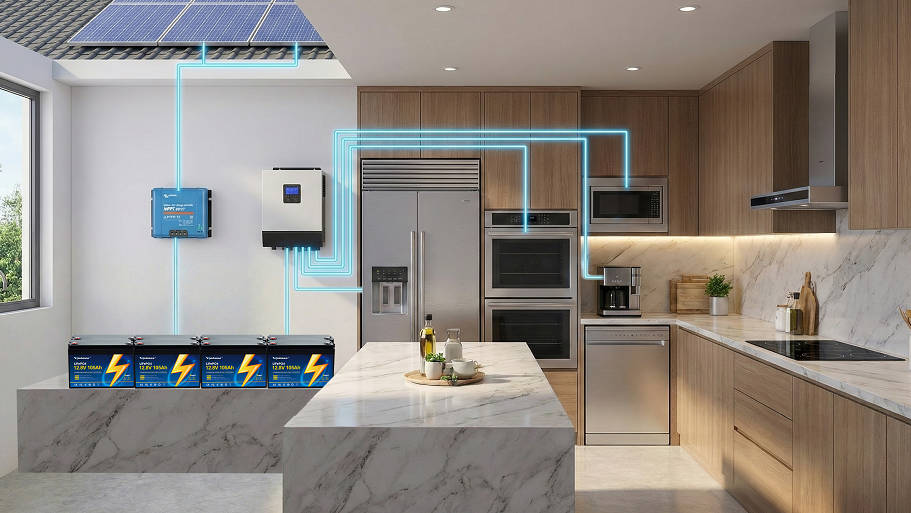
Begin by adding up the continuous and peak loads from your inverter, fridge, pumps, and electronics. Then select a pack or bank that provides comfortable headroom on both capacity and discharge current. Deep cycle LiFePO4 products often specify continuous and peak discharge currents; staying well within those ratings keeps internal temperatures and bus bar stress under control.
A conservative design also reduces voltage sag and avoids nuisance BMS trips, which improves both safety and user experience.
Mounting, Wiring, and Protection
Safe installations usually share the same features:
- Batteries mounted securely so they cannot move under braking or heavy seas
- Cables protected from chafe where they pass through holes or run along metal edges
- A main fuse or breaker as close to the positive terminal as practical
- Branch circuits that each have appropriate fusing
The aim is simple. If anything goes wrong in the wiring, the current should be interrupted before the insulation melts or the nearby material ignites.
Ventilation and Access
LiFePO4 packs do not require venting for explosive gases like flooded lead acid batteries. Even so, putting large banks in cramped, sealed boxes alongside inverters and chargers is not ideal. Leaving reasonable space around hardware improves cooling, allows easier inspection, and makes it far more likely that you notice a loose connection early.

How to Charge a LiFePO4 Battery Safely
A healthy charging setup makes everyday use feel uneventful. Charging problems are often at the root of incidents blamed on lithium systems, so it pays to set this part up carefully.
Match the Charger to the Battery
A dedicated LiFePO4 battery charger follows a constant current, constant voltage profile with voltage tailored to LFP cells. For a 12.8-volt pack, many manufacturers specify bulk and absorption voltages around 14.0 to 14.6 volts, with no aggressive equalization step that pushes voltage higher for long periods.
Older lead acid chargers with “desulfation” or “recondition” modes can apply extended high voltage pulses that LFP cells were never designed to see. Many suppliers recommend disabling those modes or avoiding such chargers for LFP banks.
Solar charge controllers, alternator regulators, and shore chargers should all be configured to the battery maker’s voltage and current recommendations. This is one place where reading both manuals carefully is not optional.
Simple Routine Checks
After setup, a few routine checks help keep charging drama-free:
- During the first full charges, feel cables, lugs, and breakers after the system has been running for a while. Warm is fine; hot enough to sting your fingers suggests undersized or loose hardware.
- Keep chargers and DC electronics where air can circulate. Avoid stuffing them into tiny, unventilated cavities with bedding or luggage.
- If the BMS repeatedly cuts off charging, stop and diagnose. Repeated resets without understanding the cause hide issues such as wrong voltage settings or a failed temperature sensor.
For detailed limits on current and temperature, always follow the instructions from both the battery manufacturer and the charging equipment supplier. They know the limits of their own hardware better than any generic rule of thumb.
Is a LiFePO4 Battery the Right Safe Choice for You?
For RVs, boats, and small off-grid systems, LiFePO4 sits in a sweet spot: very stable chemistry, long cycle life, and solid performance across real-world temperatures. It still isn’t “fit and forget,” though. Pair a LiFePO4 battery with a robust BMS, conservative wiring and fusing, properly configured chargers, and verified safety certifications. Do that, and your battery bank becomes a quiet, reliable background infrastructure instead of a constant safety worry.
FAQs
Q1: Can I Install a LiFePO4 Battery Inside My Living Space?
Yes, many LiFePO4 packs are designed for indoor use, but they still count as energy-dense equipment. Follow local electrical codes, use enclosures rated for the environment, keep them away from soft furnishings, and maintain clear access for inspection, cabling checks, and servicing.
Q2: Is a LiFePO4 Battery Safe During Transport or a Vehicle Crash?
For road use, safety depends heavily on mechanical mounting. Use solid brackets or battery boxes rated for impact, secure cables against pull-out, and follow UN-rated packaging rules for shipping. A correctly restrained LiFePO4 pack is unlikely to become a projectile or rupture hazard.
Q3: What Type of Fire Extinguisher Should I Keep Near a LiFePO4 System?
For small RV or boat systems, most electricians recommend at least one ABC dry-chemical or clean-agent extinguisher nearby. These target wiring, plastics, and surrounding materials. Large banks in buildings may justify additional Class C or lithium-focused equipment based on local fire-code guidance.
Q4: Can I Mix LiFePO4 Batteries with Lead-Acid Batteries in the Same Bank?
Mixing chemistries in one bank is generally discouraged. Voltage curves, charging profiles, and internal resistance differ, so one chemistry ends up chronically undercharged or overstressed. If both are required, keep them on separate banks with dedicated chargers or a DC–DC converter between them.
Q5: How Should I Store a LiFePO4 Battery for Several Months?
For seasonal storage, charge the battery to a mid-level state of charge, disconnect all loads, and leave it in a cool, dry place. Many manufacturers suggest checking the voltage every few months and topping up slightly if it drifts below their recommended standby window.