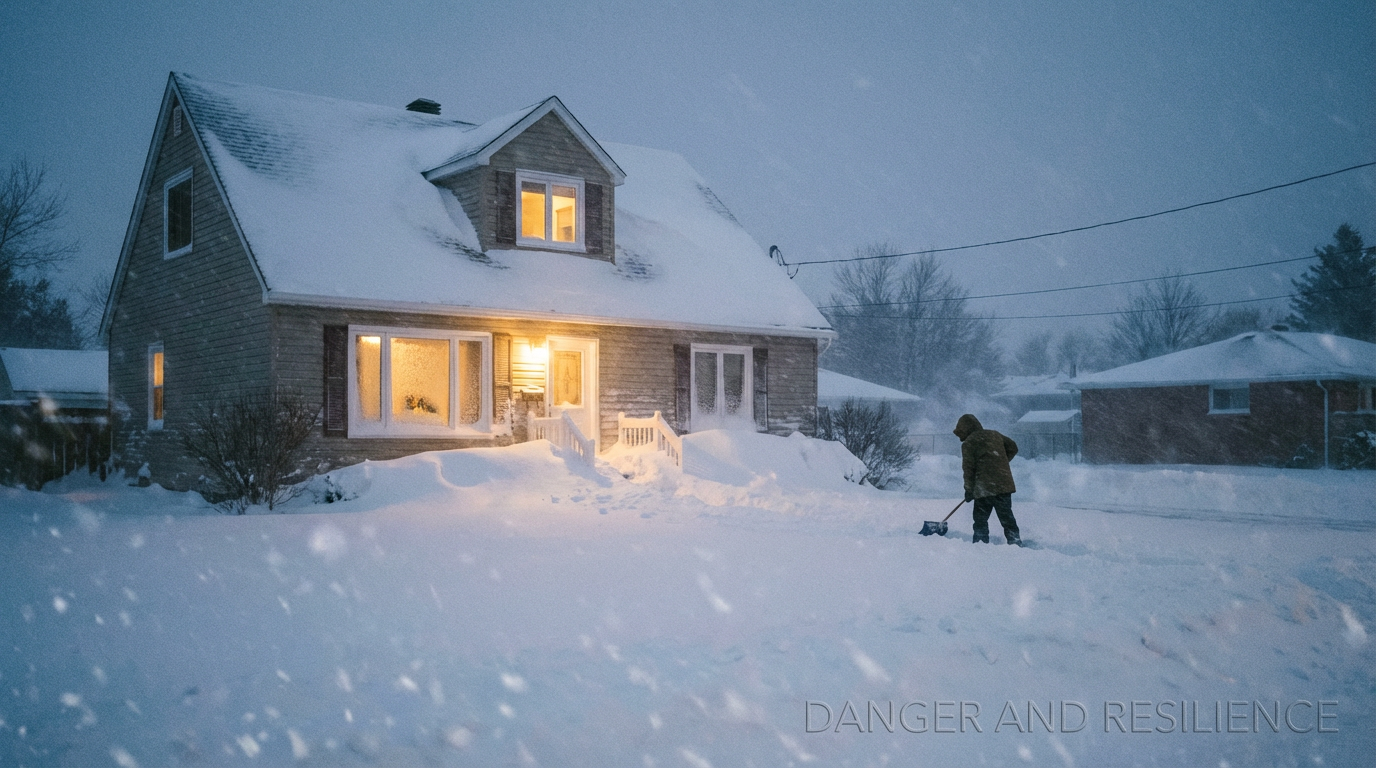

Snow is plastered against the door, drifts are higher than your porch rail, and the house just went silent as the furnace and lights cut out. You know there is a generator somewhere under the whiteout, but reaching it means fighting teeth-chattering wind and maybe a stuck door. After watching winter storms repeatedly expose the same weak spots in home backup setups, one pattern keeps winning: systems are engineered to work even when no one can step outside. This guide walks through how to build that kind of backup power plan so a buried driveway or frozen latch never takes your heat and lights with it.
The Real Risk: When the Grid Fails and the Door Won't Budge
Heavy snow, ice, and wind can bring down trees and power lines and leave neighborhoods without electricity for days, disrupting both safety and property protection during winter storms, as highlighted in winter storm preparedness guidance from utilities and safety organizations such as Safe Electricity's winter storm resources and Red Cross winter storm information (SafeElectricity winter storm preparedness and Red Cross winter storm preparedness). These are not just brief flickers; extended outages stop heating systems, refrigeration, and even basic plumbing in many homes that rely on electric pumps or controls.
Large winter storms have knocked out power to tens of thousands of households in a single event, and the trend is toward more frequent, grid-straining disruptions as storms clash with aging infrastructure. Recent outages have reached states that rarely saw deep snow in the past, so "this can't happen here" is no longer a safe assumption. The goal is not to guess whether the grid will fail, but to assume that at some point it will and design your home so that the failure is an inconvenience, not a crisis.
The "snowed in" scenario adds a special challenge: if your only backup is a generator buried under a drift, you have a single point of failure that depends on your ability to dig a path, clear vents, and refuel under dangerous conditions. The solution is to flip that logic.

Critical backup should be controllable from inside the house, with outdoor equipment acting as a fuel source or booster, not the first and only line of defense.
Start With Power You Can Control From Inside
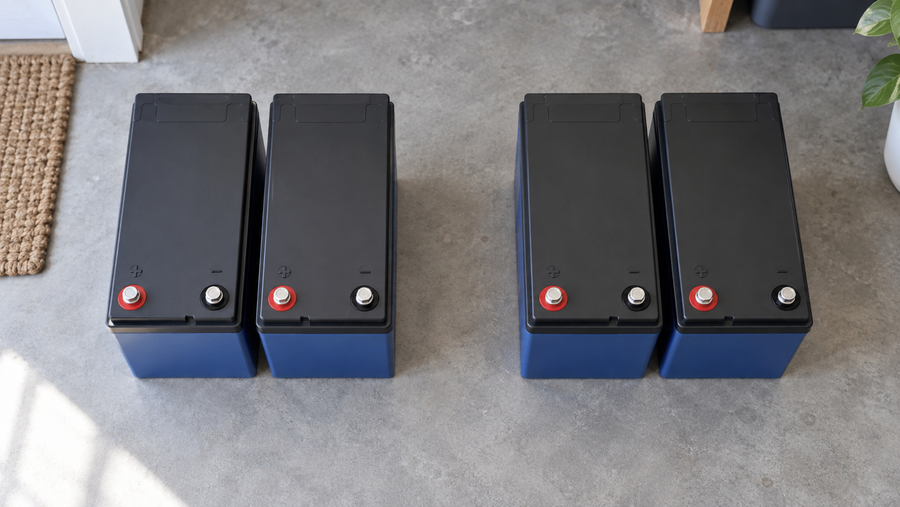
Indoor-safe battery storage is the backbone of a snowed-in power plan. Modern lithium iron phosphate (LiFePO4) battery systems are designed to sit indoors, provide quiet backup, and run essentials such as lights, communications, a gas furnace blower, and a refrigerator without needing a single step outside. They are highlighted in winter outage checklists as low-maintenance, cold-capable alternatives to gas generators for home and RV loads, particularly when storms make outdoor access unsafe or impossible.
Think in terms of "essential circuits" rather than every outlet in the house. In most winter retrofits, that core list includes the furnace or boiler controls, the refrigerator and freezer, a few kitchen and living-area outlets for phone charging and communications, a well or sump pump if you have one, and a small number of LED lights. Because these loads are modest compared with electric resistance heaters or ranges, even a mid-sized indoor battery bank can often cover a full day or more of core operation if you have other safe heat sources available.
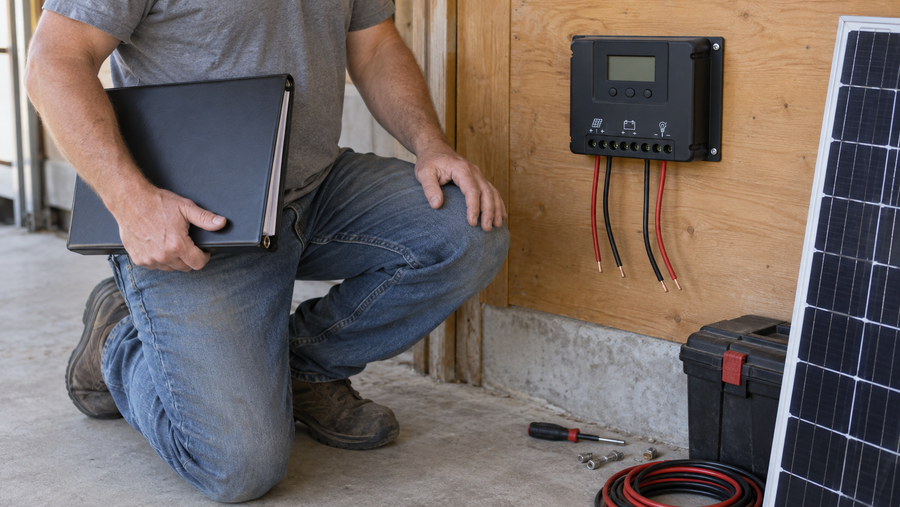
To make battery backup practical for whole-house wiring instead of a tangle of extension cords, a manual transfer switch becomes the key connector between portable generators, battery inverters, and selected home circuits. Systems like the EZ Generator Switch are designed as UL 1008-certified, code-compliant transfer devices that can connect both portable generators and compatible battery inverters to critical loads such as the furnace, refrigerator, and pumps manual transfer switch powering essential circuits. With a setup like this, you can flip a switch from inside and move those circuits between grid power and your backup source without cracking the door.

A simple sizing example sharpens the decision. Suppose you want to cover a furnace blower at roughly 500 W for 8 hours of actual run time across a day, a refrigerator at 150 W that averages one-third duty across 24 hours, and about 100 W of lighting and device charging for 6 hours. That is 4 kWh for the furnace, 1.2 kWh for the refrigerator, and 0.6 kWh for lights and electronics, or roughly 6 kWh per day. A 10 kWh LiFePO4 bank would give you over a day and a half at that usage, and more if you lower thermostat setpoints slightly and trim nonessential loads. The exact numbers vary by home, but working through your own wattage and hours with this kind of calculation shows how much indoor backup you truly need.
Retrofit the Generator Into a Hybrid System, Not a Solo Hero
A standby or portable generator is still a powerful asset in winter storms, especially for high-demand loads and multi-day outages. Cold-weather-rated standby generators are highlighted as invaluable for keeping families warm and maintaining critical systems when snow or ice cuts the grid standby generator value in winter storms. The upgrade is to stop treating the generator as the first responder and instead use it as the "muscle" that periodically recharges your indoor batteries and carries heavy loads when conditions allow.
If you already own a generator, the most effective retrofit usually follows a simple sequence. First, route your critical loads through a transfer switch that can accept either generator or inverter power. Second, install an indoor LiFePO4 inverter system sized for at least a day of essentials. Third, configure the generator to feed the inverter's charging input and, when needed, the same essential circuits. In practice, that means during a long outage you can run the generator in concentrated blocks when the weather eases or fuel deliveries arrive, top up the batteries, heat the house, and then shut the engine down while the indoor system quietly carries you through the next stretch of bad conditions. Understanding how to safely charge lithium batteries from a portable generator ensures your hybrid setup works efficiently without risking damage to the battery management system.

This hybrid approach also solves a common real-world trap: generators that technically work but are not trusted because they have not been tested under real loads in bad weather. Experiences shared by generator owners show that even branded units stored carefully can fail to start or keep running in wet or snowy conditions, while older, simpler machines sometimes keep chugging along. Treat that as a warning that you should test your system under realistic conditions before you need it. Run the generator with your transfer switch powering actual home circuits on a cold day, verify that the batteries charge correctly, and confirm you can manage everything from inside.
Make the Generator Winter-Proof Before the Blizzard
A generator that starts easily on a mild fall afternoon can still fail when the temperature plunges and snow piles up. Seasonal maintenance is repeatedly emphasized as the foundation of reliable winter operation in generator-specific guidance (generator maintenance to prepare for winter and seasonal generator care). Key steps cluster into four areas: fluids and filters, fuel, cold-start hardware, and physical access.
Oil and filters thicken and clog in cold weather. For new generators, a first oil change after about 25 hours of use, followed by changes every 50–60 hours, is a common recommendation in winter-focused maintenance programs, along with keeping spare filters and oil on hand before storms. Infrequently used units should have gasoline either drained or treated with a stabilizer that keeps fuel from breaking down and clogging carburetors for up to about 12 months, as described in winter preparation guidance for backup generators. Running the generator for roughly 10 minutes once a week keeps parts lubricated and makes it much more likely to start when the temperature drops.
Cold starts are where many generators fail. Seasonal maintenance advice stresses installing cold-weather kits that include battery warmers and engine block or breather heaters so engines can crank at freezing temperatures. Factory support notes for home standby units also emphasize battery health in numbers: a fully charged battery often reads around 12.6 to 12.8 V; once it sags toward 12.0 V, cold cranking becomes unreliable. That effect is magnified in winter because chemical reactions in cold batteries slow down, so swapping marginal batteries before winter and using battery warmers below about 32°F (except where the manufacturer specifically excludes certain battery types such as AGM) is a high-impact reliability upgrade.
Snow and ice buildup can choke even a mechanically sound generator. Manufacturers and service providers recommend keeping at least several feet of clearance around standby generator enclosures and shoveling a path from the building so you can reach the unit without climbing snowbanks or slipping on ice. During storms, vents, intakes, and exhausts should be checked and cleared regularly because drifting snow can pack in quickly and trigger shutdowns or dangerous exhaust recirculation. For portable units, using a purpose-built, open-sided weather cover or enclosure and elevating the generator off the ground helps keep moisture away from sensitive components while maintaining ventilation, especially when the unit runs in blowing snow.
Fuel planning is the last piece. Before a major storm, verify that tanks are full and that you have enough on-site fuel to cover at least the first stretch of a likely outage. A simple thought exercise helps: if your generator's manual specifies that it uses 0.5 gallon of fuel per hour at the loads you expect, then a 24-hour run consumes about 12 gallons. That does not mean you will run it continuously; in a hybrid system, you might only need it for 4–8 hours per day to recharge batteries and handle heavy loads, but working from real numbers avoids unpleasant surprises when roads are blocked.
Remote monitoring systems, where available, close the loop when you cannot easily step outside. They allow you to see whether the generator is running, track fuel levels, and receive alerts if the unit shuts down or throws a fault, all from the safety of your living room. That reduces the number of trips through snow and helps you time any necessary outside work to the safest possible windows.
Stretch Your Backup Power When You're Trapped Indoors
Once the storm hits and you are stuck inside, the game shifts from building capacity to managing demand. Winter storm preparedness guidance points out that conserving heat and reducing the number of powered loads can dramatically improve safety and comfort during extended outages. The idea is simple: the fewer watts your home draws, the longer your indoor batteries last and the less often you need the generator.
Start with the heat envelope. Before storms, sealing leaks around windows and doors, closing off unused rooms, and insulating exposed pipes are recommended steps to keep more warmth inside and reduce the risk of frozen plumbing. During the outage, gathering family in a single well-insulated room, dressing in warm layers, stuffing towels or rags at the bottom of exterior doors, and covering windows at night with shades or blankets can noticeably slow heat loss. These low-tech moves cost nothing during the event but buy extra runtime for your backup systems.
Resource conservation extends to food and water. Winter outage checklists recommend at least three days of shelf-stable food and about 1 gallon of water per person per day, along with non-electric tools like a manual can opener and battery-powered or hand-crank lights and radios. To stretch refrigeration, keep refrigerator and freezer doors closed as much as possible; once power returns, discard perishable food that has been above 40°F for more than about two hours, a standard food safety threshold referenced in winter outage and insurance guidance. An indoor battery system can often handle a refrigerator with modest impact, but every unnecessary door opening still drains stored cold.
From a power-budgeting standpoint, a simple hybrid example illustrates the payoff of conservation. Assume your indoor LiFePO4 bank stores 10 kWh. If you run electric heat or other high-wattage loads, you can drain that in a few hours. If instead you lean on non-electric heat sources that are safe for indoor use and limit electrical loads to 3 kWh per day by focusing on the furnace blower, refrigerator, and a few lights, your stored energy can carry you well over three days without starting the generator, or even longer if you occasionally recharge from a generator between weather windows.
Communication and safety planning matter as much as kilowatt-hours. Winter power outage preparation checklists urge households to keep cell phones and battery banks fully charged ahead of storms, maintain a written list of emergency contacts, and agree on a regular check-in rhythm with relatives and neighbors, especially older or medically fragile people. That way, if your backup plan falters, others know to ask questions quickly rather than assuming you are fine.

Safety Rules You Never Break, Even in a Blizzard
When the house is getting cold and you can't get outside to fuss with a generator, the temptation to improvise is strong. This is exactly when carbon monoxide and fire risks spike. Carbon monoxide is a colorless, odorless gas produced by burning fuels like gas, oil, wood, or charcoal, and winter storm guidance stresses that alternative heat and power sources used during outages are a major source of exposure carbon monoxide danger in snowstorm outages. Warning signs include wheezing, shortness of breath, dizziness, nausea, confusion, or feeling unable to take a full breath; anyone experiencing these symptoms should leave the area immediately and seek medical help.
Safe electricity and winter storm safety resources are blunt on one point: never run a generator indoors or in attached spaces such as garages, carports, or enclosed porches, and never try to use charcoal grills or gas ovens as improvised heaters. Even if the garage door is open a crack, exhaust can drift into living areas and accumulate. Generators must run outdoors, on stable ground, well away from windows, doors, and vents, with exhaust directed away from the house.
The same sources recommend using only heaters that are explicitly rated for indoor use and following their ventilation requirements carefully. For lighting, battery-powered lanterns and flashlights are strongly preferred over candles because candles increase fire risk in crowded, cold rooms. Having working smoke and carbon monoxide detectors with fresh batteries before winter storms arrive is a non-negotiable part of the plan, as is keeping a multipurpose dry-chemical fire extinguisher on hand and knowing how to use it.
Safety also extends to your interaction with the grid once you are snowed in. Downed power lines may be hidden under snow or ice, and winter storm safety organizations emphasize that you must treat any downed or hanging line as live, stay away, warn others, and contact the utility; lines do not need to spark or arc to be deadly. Designing your backup system so that it can be isolated via a proper transfer switch also protects utility workers, because it prevents your generator or inverter from backfeeding power onto damaged grid lines.
Generator, Lithium, or Hybrid? How Each Handles a Snow-In
The table below compares three common backup strategies in a snowed-in scenario.
Backup setup |
Strengths in deep snow |
Weak links when you can't go outside |
Best role in a winter upgrade |
Standby or portable generator |
Handles high loads; can run heating, pumps, and whole-home circuits; fuel can last days with planning; cold-weather standby models are designed for storms |
Needs outdoor access for starting, refueling, snow clearing, and troubleshooting; vulnerable to cold starts, gelled fuel, and snow-blocked vents |
Bulk power source and battery charger when weather allows |
Indoor LiFePO4 battery system |
Runs quietly indoors; no exhaust; controllable from inside; ideal for communications, lights, furnace blower, refrigerator, and electronics |
Limited total energy; cannot sustain large resistive loads like electric ranges or baseboard heaters; needs thoughtful load management |
First line of backup when doors are blocked |
Hybrid generator-lithium system |
Combines generator power with battery flexibility; fewer generator hours; far fewer outside trips; can prioritize indoor control via transfer switches |
More complex design; requires planning, wiring, and testing ahead of storms; higher upfront investment |
Most resilient option for extended, snowed-in outages |
Most homes that face serious winter weather get the best resilience by treating the generator as a supporting actor and the indoor battery system as the lead. The generator handles high-demand jobs and long outages when you can safely get to it, while the battery bank keeps core circuits alive when the porch is buried and stepping outside would be dangerous.
Blizzard-Ready Power Is Built Before the Snow Flies
Backup power that works when you cannot even open the door is not about one flashy gadget; it is about designing a system that assumes you will be stuck inside and planning every weak point around that reality. Indoor-ready lithium storage, a well-placed and winterized generator, a transfer switch that lets you control circuits from inside, and disciplined maintenance and safety habits all stack together into a plan that holds up when the snow and wind do their worst.
Walk your own setup now with that "door frozen shut" scenario in mind: decide which loads must stay on, how long your current backup can run them, and how many outside trips it takes to make the system work. Then upgrade ruthlessly so that the next time the drifts bury the steps and the grid goes down, your lights, heat, and critical systems keep running while you stay warm and safe indoors.