
Across the U.S., more ski areas now welcome overnight RV ski camping, and whether you should plug in or boondock comes down to your power system, the forecast, and your tolerance for risk; as a rule of thumb, plug in any time your batteries, propane, or weather window cannot comfortably cover at least two cold nights off-grid.
Know Your Ski-Lot Power Budget
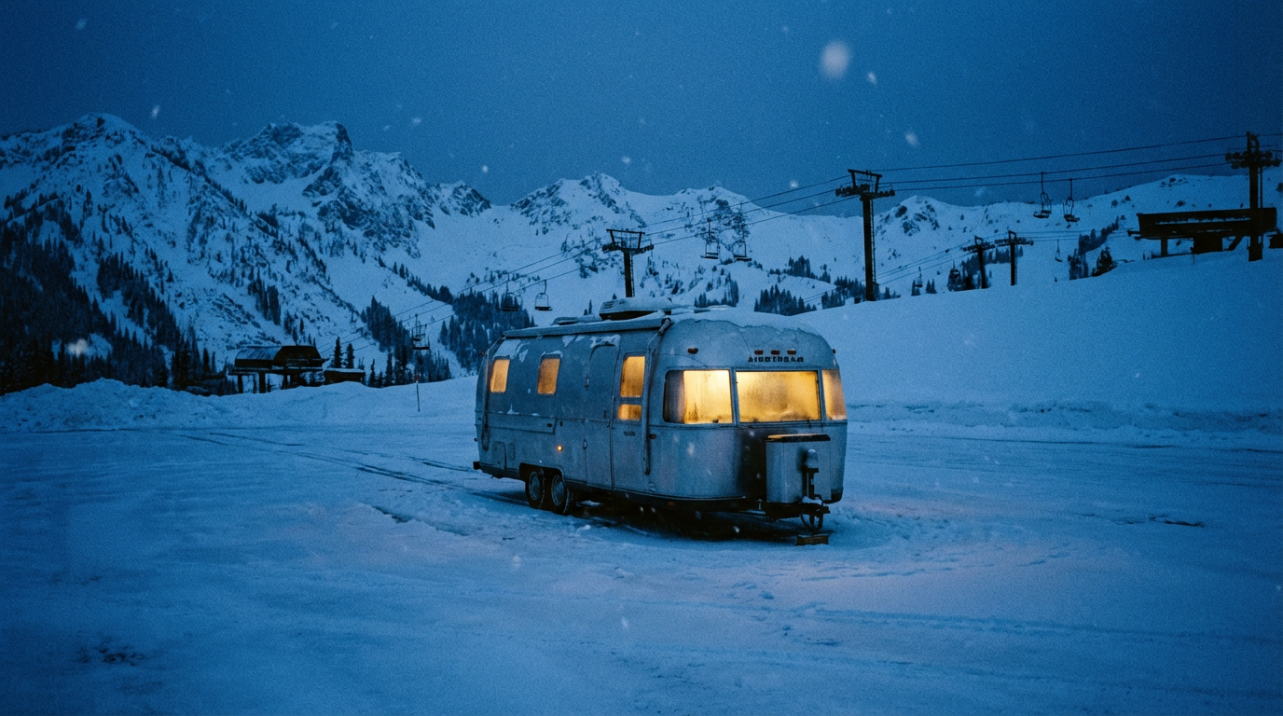
Winter ski lots are a worst-case scenario for RV power: long, cold nights, minimal solar, and wet gear to dry. Expect your furnace to run often and your batteries to work hard.
A typical RV furnace plus lights, fans, and pumps can pull 60-120 amp-hours overnight, and experienced ski campers report two group-31 batteries lasting only 24-48 hours before needing a charge. Cold also slashes propane efficiency, so a weekend can burn 7-10 gallons of LP without feeling wasteful.
Before you decide between plugging in and boondocking, be honest about your rig: how many usable amp-hours you really have, how much propane is on board, and what the actual overnight low will be where you are parked, not just in town down the valley.

When Plugging In Is the Smart Play
Hookups do not kill the adventure; they buy you margin. Resorts that offer 30-amp spots, like the RV row at China Peak's winter parking, let you run electric heaters, boot dryers, and dehumidifiers without draining your batteries.
Choose hookups if forecast lows are in the single digits or worse and you are not fully four-season equipped, or if you are still on stock lead-acid batteries or have less than about 300 amp-hours of lithium. They also make sense when you plan to run power-hungry gear such as electric boot dryers, a dehumidifier, an induction cooktop, or other big inverter loads, or when you are managing kids, work, or back-to-back ski days and cannot babysit generators and battery state of charge all weekend.
Think of plugging in as buying insurance: you get predictable heat, easier thawing of frozen lines, and the freedom to ski bell to bell instead of chasing generator run windows.

When Full Boondocking Pays Off
Dry camping in the ski lot is the purest version of this game: cheaper, quieter, and often closer to first chair. Many mountains offer free or low-cost dry camping in self-contained rigs with no hookups and strict stay limits.
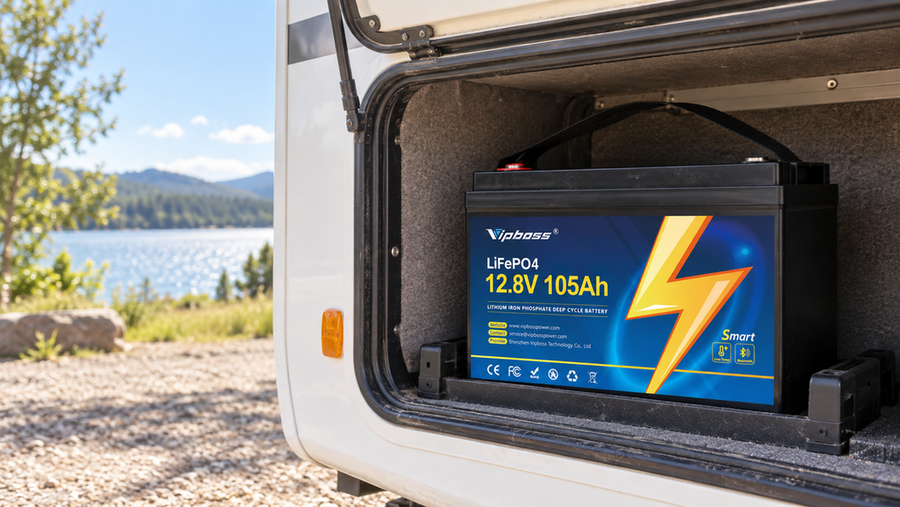
You are ready to boondock if you have at least about 300-400 amp-hours of lithium (or equivalent usable capacity) and know your nightly draw. Winter solar output is limited, so understanding flexible vs rigid solar panel options helps maximize what little sun you get. You should also carry generous propane and refill when you hit about one-third of a tank, have a reliable generator with spare fuel and a clear idea of how long it must run to recover your batteries, and feel comfortable living tank-light by using campground or town showers when possible and stretching your tanks for 3-5 days.
In real numbers, a 400 amp-hour lithium bank can comfortably cover two cold nights in the teens with furnace, lights, fans, and a bit of TV, especially if you top up with a generator run before bed and again in the morning.

Build a Ski-Ready Off-Grid System
If you want the option to boondock confidently, build your system so hookups become a luxury, not a requirement.
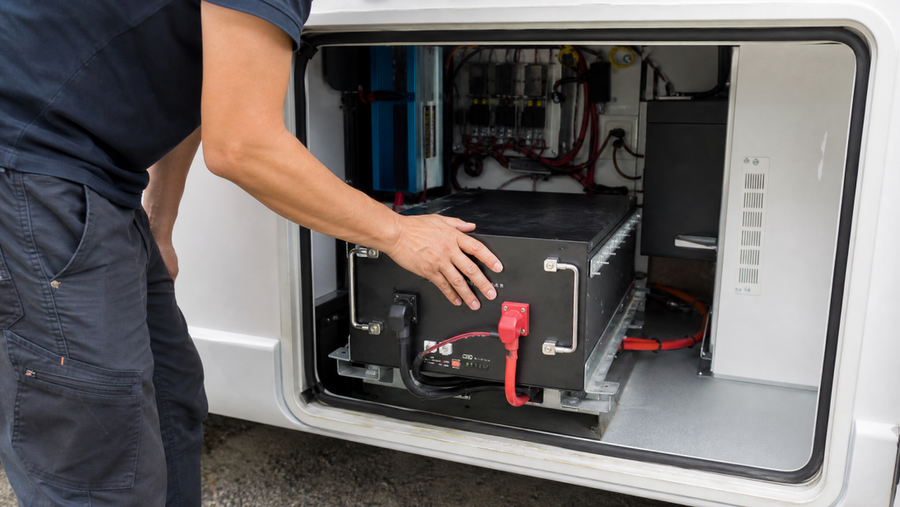
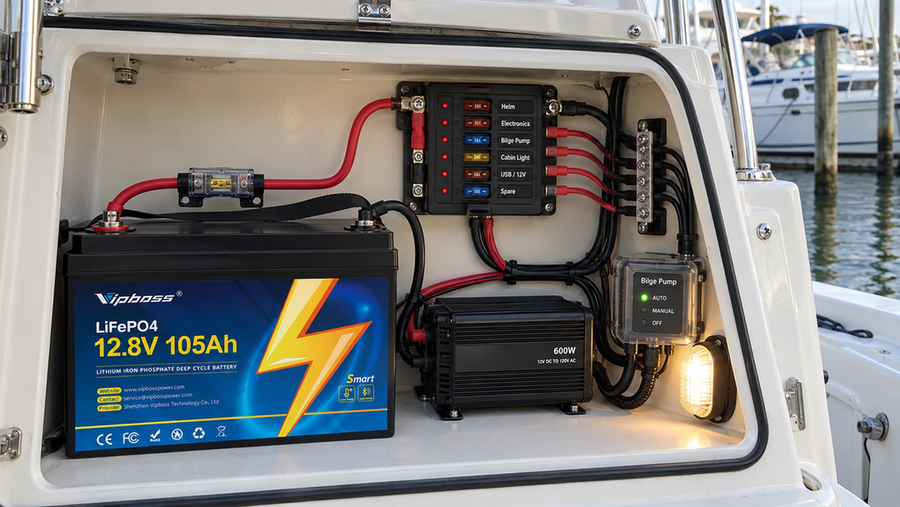
For most ski-focused rigs, plan on 300-400 amp-hours of heated lithium as a baseline, with more capacity for families or longer stays. Pair that with strong charging from your alternator through a DC-DC charger plus a smart inverter/charger, and treat solar as a bonus in winter rather than your primary source. A properly configured alternator charging system ensures your batteries recover quickly during ski trips. Use your LP furnace as the primary heat source, but carry one safe electric heater for hookup nights and focused thawing jobs. Add real state-of-charge monitoring so you know, rather than guess, how many nights you can last.
Winter upgrades like window insulation and serviced heaters—standard advice for RV-friendly ski resorts—do more than add comfort; they can dramatically cut your nightly amp-hour burn.
Safety First in Winter Lots
Ski-lot camping stacks risks: cold, snow load, generators, and tight parking. Treat safety gear as installed equipment, not optional accessories.
Every winter RV should have working carbon monoxide and smoke alarms, and you should know exactly what each alarm sounds like and what to do when it goes off, as emphasized in RV safety guidance. Never sleep with a generator running, and always park or place generators so exhaust blows away from rigs.
Manage snow load by keeping awnings in, slides clean, and roofs shoveled when it is safe to get up there. Respect chain laws, arrive before dark, and leave yourself enough battery and fuel margin to sit through an unplanned road closure.
Some guides discourage running the furnace much at night, but in sub-20°F ski lots the safer compromise is a lower thermostat setting, good carbon monoxide and propane alarms, serious cold-rated bedding, and a power system you know can support that plan.