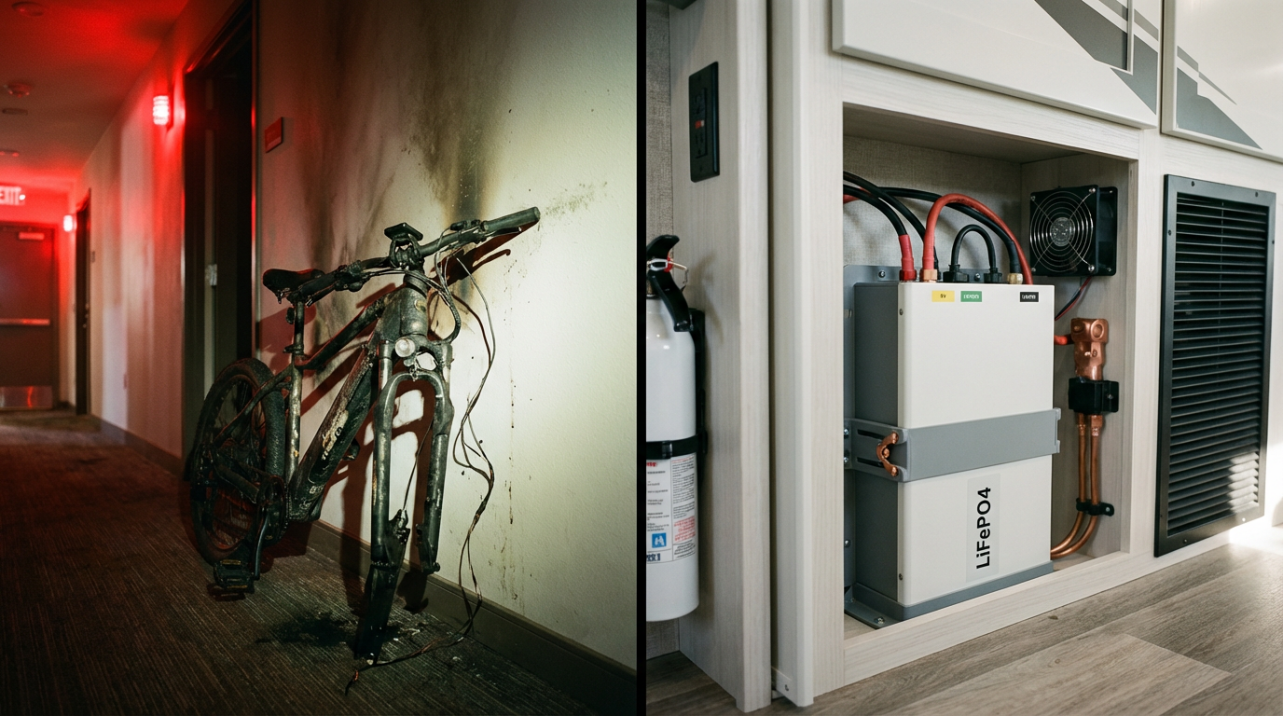

You have probably watched a video of an e-bike on fire in a hallway and then looked over at your new LiFePO4 battery bank or upgraded pack with a knot in your stomach. That reaction is understandable when you know you are parking a lot of energy a few feet from your living room, garage, or camper bed. The good news is that LiFePO4 is built for a very different risk profile than the cheap packs behind most headline fires. By the end of this guide you will know what is actually happening in those videos, how LiFePO4 really behaves, and what to do to keep your system safe and reliable.
Why E-Bike Battery Fires Dominate the News
Lithium-powered e-bikes and scooters are booming, and their batteries have been documented catching fire or even exploding in homes and stairwells, which is why safety organizations flag them as a serious hazard for riders and neighbors alike. The National Fire Protection Association explains that the batteries powering these devices can overheat, catch fire, or explode when damaged or misused, and that this risk is now one of the main concerns around e-bikes and e-scooters as they spread in cities and suburbs NFPA e-bike safety.
Fire departments are seeing this on the ground. New York City recorded 268 fires in 2023 traced to lithium-ion batteries, many involving e-bikes stored and charged inside apartments, with the fire department warning that many of these packs are poorly made or used with off-brand chargers that bypass critical protections FDNY lithium-ion safety tips. A similar message comes from the Massachusetts State Fire Marshal, who urges people to buy listed products with recognized certification marks and to avoid tossing lithium-powered devices into regular trash because damage in trucks and transfer stations can trigger fires.
Behind those dramatic clips is a simple reality: a typical e-bike battery holds enough energy to matter if things go wrong. A common 36 V, 13.6 Ah pack stores about 490 Wh, roughly comparable to powering five 100 W lights for an hour, and higher-performance 48 V, 19.6 Ah packs push close to 917 Wh. If that energy is released in seconds instead of hours because a cell is crushed, overcharged, or shorted, you get the kind of violent fire behavior that makes the news.

What Makes LiFePO4 Different From Typical E-Bike Packs
Most headline e-bike fires involve high-energy lithium-ion chemistries such as NMC (nickel manganese cobalt) that are optimized for squeezing maximum range into a small, light package. NMC is the default in many e-bikes and is an excellent performer, but it typically delivers about 500 to 800 full cycles before dropping to around 80% of original capacity.
LiFePO4, short for lithium iron phosphate, is a different lithium-ion chemistry that trades some energy density and weight for long life and stability. Typical LiFePO4 packs are designed to deliver roughly 2,000 to 5,000 charge-discharge cycles at moderate depth of discharge, providing 5 to 10 years or more of service in many applications when used within recommended voltage, current, and temperature limits LiFePO4 battery care. Because of its more stable cathode material and better thermal behavior, LiFePO4 is widely regarded as having a lower fire risk than many other lithium chemistries when installed and operated correctly.
In other words, the chemistry in your off-grid LiFePO4 bank or LiFePO4-based cargo e-bike is not the same as the cheapest packs in many problem micromobility devices, and that difference shows up in both longevity and safety margins.
Chemistry, Cycle Life, and Safety Compared
A quick side-by-side makes the tradeoffs clear.
Feature |
Typical NMC e-bike pack |
|
Common use |
Mainstream commuter and performance e-bikes |
Cargo e-bikes, off-grid storage, RV and marine systems |
Typical full-cycle life to about 80% capacity |
About 500–800 cycles |
Roughly 2,000–5,000 cycles |
Energy per pound |
Higher, for lighter packs and longer range |
Lower, heavier for same energy |
Thermal behavior |
Good, but more sensitive to abuse |
Very stable with lower fire risk when used properly |
Best fit |
Riders chasing maximum range or low weight |
Users prioritizing safety, life, and deep cycling |
The cycle-life figures are drawn from real product data and field experience: NMC packs in quality e-bikes often deliver those 500–800 cycles, while LiFePO4 packs in similar roles commonly exceed 2,000 cycles when kept within recommended limits. That is a several-fold increase in usable life before noticeable capacity loss.
From a safety standpoint, LiFePO4's more stable chemistry is part of the story; the rest is electronics. A modern LiFePO4 pack for e-bikes or off-grid storage is normally paired with a robust Battery Management System that monitors cell voltages, temperature, and currents, cuts off charge and discharge beyond safe limits, and balances cells to keep them in sync over time. That "brain" is what helps prevent overcharge, severe over-discharge, and short-circuits from turning into thermal events.
Real-World Example: Upgrading a Workhorse System
Consider a utility or cargo e-bike that originally shipped with a 48 V lithium-ion pack rated around 19.6 Ah, roughly 917 Wh. Paired with NMC cells and a decent BMS, you might reasonably expect 500 to 800 full cycles over several years of daily commuting.
Now imagine swapping to a LiFePO4 pack matched to the same 48 V system with about 20 Ah of capacity, roughly 960 Wh, and a LiFePO4-optimized BMS. Using conservative numbers, a 2,000-cycle life gives you at least two and a half times the cycle life with similar stored energy. For a rider using one full cycle per day, that is on the order of three years for NMC versus more than five years before reaching similar wear, with a wider safety margin along the way.
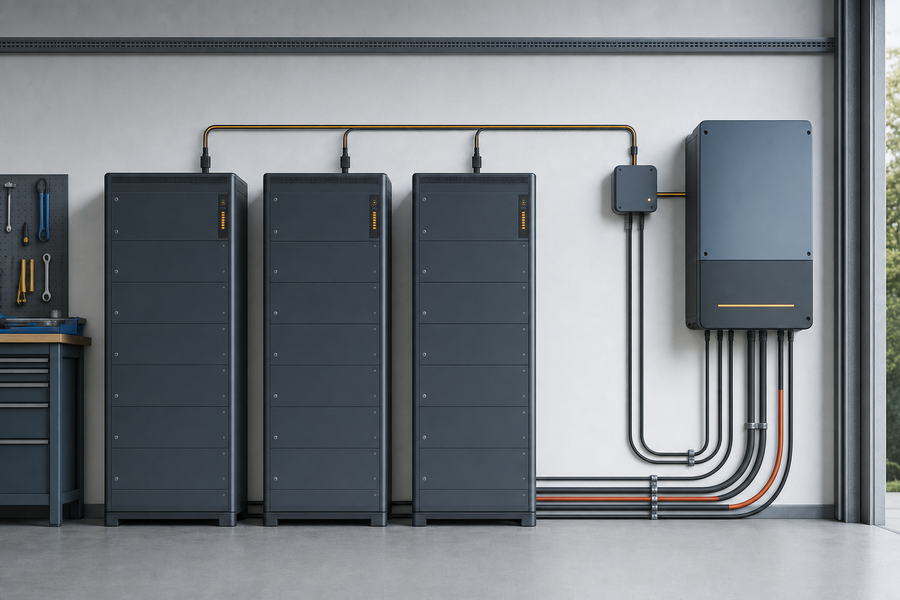
The same math applies to off-grid retrofits. A 48 V, 200 Ah LiFePO4 bank sized from individual modules follows the same principles: more cycles and a more stable chemistry mean your cabin, RV, or tiny home can handle deeper daily cycling with reduced fire risk compared with many lead-acid or NMC options, provided the system is designed and installed correctly.
Can LiFePO4 Still Catch Fire or Explode?
Here is the hard truth: no lithium-based battery is fireproof. Regulators treat all lithium batteries, including "safer" chemistries like LiFePO4, as hazardous materials in transport because damaged, defective, or improperly packaged units can short, overheat, and ignite even when they are at end of life DOT lithium battery safety. Strict shipping regulations for lithium batteries reflect the real risks that even stable chemistries pose during transport and handling. Insurance risk specialists make the same point, highlighting lithium batteries as a significant fire and explosion risk in cargo, aviation, and consumer products, which is why transport rules are tight and violations can have major financial consequences insurance risks transporting lithium batteries.
The difference with LiFePO4 is not that it cannot burn, but that it is much harder to push into dangerous territory under normal use. Its thermal stability means it tolerates reasonable abuse better than many chemistries, and it tends to release energy less violently if it fails. However, severe overcharging with a mismatched charger, direct short-circuits through undersized or damaged wiring, crushing or puncturing the pack in a crash, or baking it in extreme heat can still create a fire scenario, especially if it is surrounded by flammable materials.
Think of a LiFePO4 bank in an RV parked in full summer sun, in a poorly ventilated compartment that doubles as storage for cardboard boxes and spare clothing. If a wiring fault causes a prolonged high current and the BMS or fuse protection is inadequate, you have both a potential ignition source and a pile of fuel. The chemistry buys you time and margin, but it does not excuse poor design or neglect.

Practical Safety Blueprint for LiFePO4 Retrofits and E-Bikes
You do not need to be an electrical engineer to keep LiFePO4 from becoming a problem. You do need to respect that you are working with a dense energy source and follow a few non-negotiable habits.
Design and Hardware Choices
The first safety layer is what you buy. Safety experts consistently advise choosing batteries and chargers that have been evaluated to recognized standards and are explicitly approved for your device or system, because counterfeit and off-brand replacements often lack key protections and dramatically increase fire risk UL e-bike battery tips. That principle applies directly to LiFePO4 retrofit banks and drop-in packs.
On the cell side, LiFePO4 gives you stable chemistry and long life. On the electronics side, a modern BMS designed for LiFePO4 supervises charging and discharging, prevents overcharge and undervoltage, limits overcurrent and short circuits, and actively balances cells to keep them in sync under changing loads. For an off-grid bank, that BMS should be matched with properly sized cabling, fuses or breakers on each major branch, and solid mechanical mounting that protects against vibration and impact rather than just stuffing the pack into a plywood box.
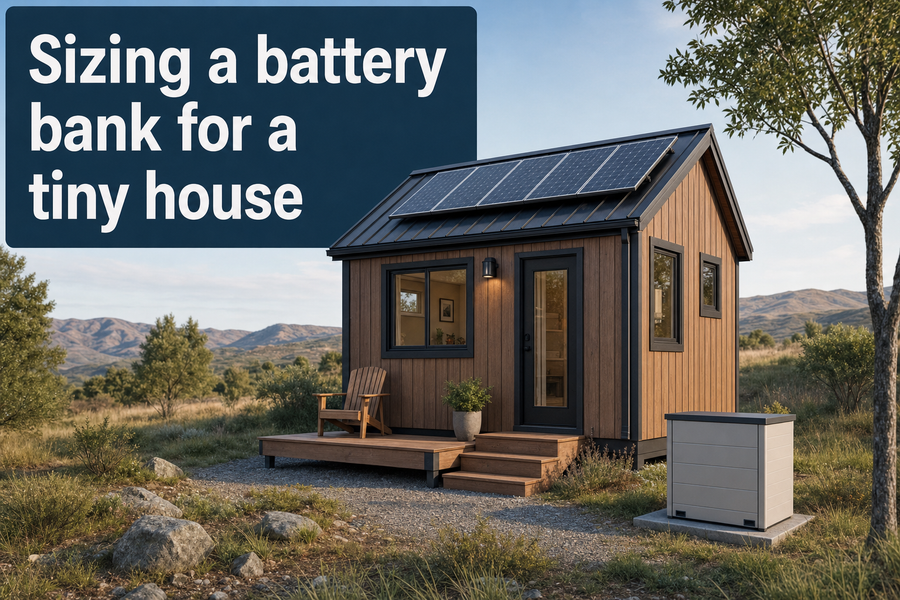
Picture a small off-grid cabin running a 48 V, 20 Ah LiFePO4 pack for lights, a fridge, and cell phone charging. Choosing a pack with a robust BMS, a charger set to the manufacturer's voltage window, and correctly sized cables with appropriately rated fuses is what turns that pack from a box of risk into a dependable energy appliance.
Daily Use and Charging Habits
Lithium-ion battery incidents are far more common during charging than during discharge or storage, which is why fire safety and transportation authorities emphasize charging practices so heavily NJ micromobility battery fire tips. With LiFePO4, you get more tolerance, but the same fundamentals apply.
Use only chargers specifically designed for LiFePO4, not generic lead-acid or random "lithium" units, because the wrong voltage profile can overcharge the cells or leave them unbalanced and stressed over time. Aim to keep the state of charge roughly between about 10 and 90 percent in daily use when you can, because avoiding both full drains and long periods parked at 100 percent reduces wear and helps LiFePO4 achieve its multi-thousand-cycle potential.
Temperature is the other key variable. Many LiFePO4 batteries are meant to be charged only within roughly 32 to 113°F and discharged roughly between about -4 and 140°F, and some include low-temperature charge protection that stops charging automatically below freezing. Charging in a frozen garage or leaving a pack to bake in a closed vehicle in direct sun is asking the chemistry to do more than it was designed for.
Finally, treat charging as an active process, not background noise. Safety agencies repeatedly warn against charging lithium-powered devices unattended or while sleeping, and against blocking exits with charging bikes or batteries. For an apartment dweller charging a LiFePO4 e-bike pack, that means charging on a hard floor away from bedding and soft furniture, unplugging once the pack is full, and never setting up a charging station in front of the only front door.

Storage, Transport, and End-of-Life
Storage is where LiFePO4 really shines for off-grid and rarely used systems, provided you set it up correctly. For long-term storage of weeks to months, the sweet spot is a cool, dry place at a partial state of charge, often around 40 to 60 percent, with a charge check and top-up every few months to prevent over-discharge. Temperatures around 50 to 77°F reduce chemical stress, so a climate-moderated basement or interior utility room beats a hot shed or uninsulated attic.
When the time comes to move or retire a LiFePO4 pack, treat it as hazardous material even if it is "dead." The U.S. Department of Transportation warns that used lithium batteries present a fire hazard in transport and that anyone shipping them for recycling needs to protect terminals from short circuits and follow specific packaging and labeling rules DOT lithium battery safety. Local fire services add that lithium-ion batteries should never go into regular household trash or normal recycling, because crushing and compaction are a common cause of fires in waste facilities FDNY lithium-ion safety tips.
In practical terms, that means taping or capping the terminals of any removed LiFePO4 modules, storing them in a non-conductive container away from metal tools, and using designated battery recycling or collection programs instead of the trash can. For a van or boat project where you are replacing an entire bank, plan the removal and recycling logistics before you install the new packs so old units are not left sitting loose in the garage where they can be damaged.
Straight Answers to Common Worries
Does a LiFePO4 battery bank in a van, RV, or cabin ever "just explode" on its own?
Spontaneous failures without any trigger are extremely rare. The main pathways to a serious incident are severe electrical faults like short-circuits, gross overcharging with an incorrect or defective charger, or significant mechanical damage combined with poor protection. With a properly specified BMS, correct fusing, a LiFePO4-compatible charger, and sensible mounting and ventilation, the risk is dramatically lower than what you see in most e-bike fire clips, which usually involve abused or uncertified packs rather than well-designed LiFePO4 systems UL e-bike battery tips.
Is a LiFePO4 e-bike pack safe to charge in an apartment?
It can be, but only if you pair the chemistry with good habits. Charging on a hard, nonflammable surface, using only the manufacturer-approved charger, keeping the bike and battery away from exits and combustible clutter, and unplugging after charge are the baseline expectations from fire departments and safety agencies NJ micromobility battery fire tips. LiFePO4 gives you extra thermal stability, but those precautions still matter as much as they do for other lithium chemistries.
Should you replace a perfectly good NMC e-bike battery with LiFePO4 purely for safety?
Not automatically. Quality NMC packs with good BMSs and certified chargers can run for years with very low incident rates when treated properly. If you already own a reputable e-bike with a certified pack, your safety return may be higher from improving charging and storage habits than from an expensive chemistry swap. The case for LiFePO4 becomes strongest when you also want extreme cycle life, frequent deep cycling, or are building a custom system where you can design around the larger size and weight.
Closing Thoughts
LiFePO4 will not magically make physics go away, but it does tilt the odds strongly in your favor when you pair its inherently stable chemistry with disciplined system design and smart daily habits. Treat your battery bank or upgraded e-bike pack like the compact power plant it is, and it will deliver thousands of quiet, uneventful cycles instead of a headline.