
That sharp pop or tiny "zap" you hear the first time you hook up an inverter is usually the sound of inrush current charging large internal capacitors, not your system blowing up. The key is recognizing the difference between a one-time, harmless snap and the kind of repeated or violent noise that signals real danger.
What That First "Pop" Really Is
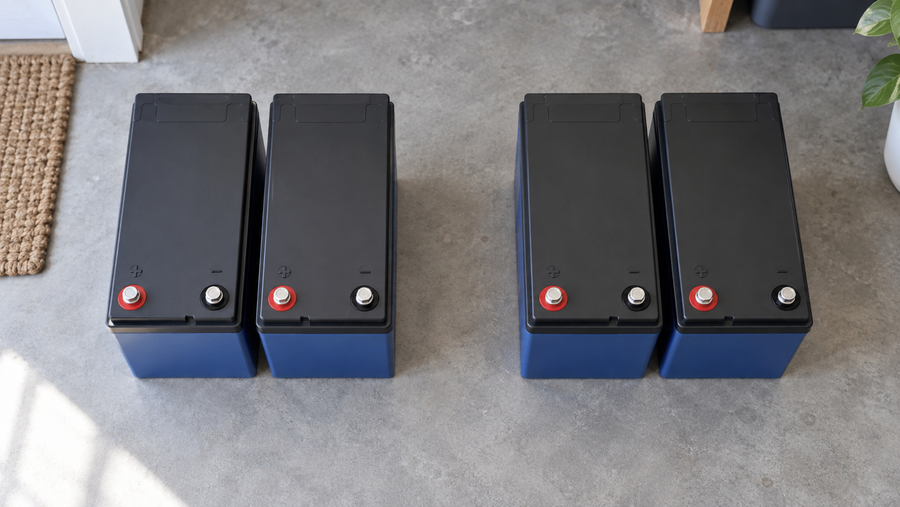
Inside most inverters is a bank of capacitors sitting right behind the DC terminals. The instant you connect the battery, those empty capacitors draw a surge of current to charge, and that inrush can arc across your breaker, fuse, or battery lug for a split second.
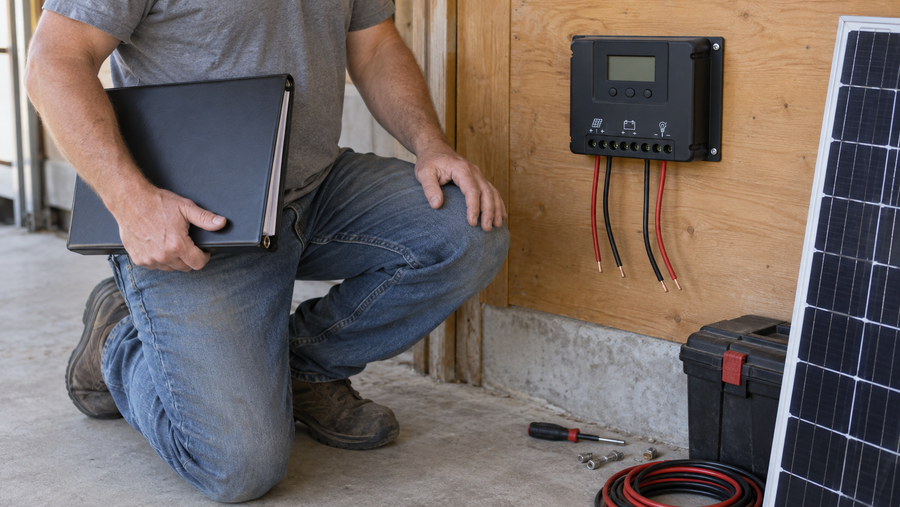
That brief arc is what your ears register as a pop or zap, and in high-power systems it can be surprisingly loud. In dozens of off-grid cabins and van builds I have commissioned, a single sharp pop on first hook-up has been completely routine.
Once the capacitors are charged, the inrush stops, the arc disappears, and the sound does not repeat. From then on, normal inverter sounds are more like a gentle hum, fan noise, or an occasional relay click during mode changes, as described in many explanations of abnormal inverter sounds.
Normal Pop vs Dangerous Zap
A safe, normal event is a single pop right as you close the DC breaker or land the final battery terminal. There is no smoke, no smell, no repeated snapping, and the inverter boots cleanly with stable output.
What you do not want is a pattern: repeated loud snaps, buzzing, or sizzling, especially if lights flicker or the unit shows error codes. Persistent harsh noise is one of the classic signs your inverter may require immediate professional attention.
Another red flag is anything that sounds like a bang from the battery area, accompanied by swelling, fumes, or visible damage. That moves you out of inrush-pop territory and into the realm of potential battery failure.

Severe abuse or overheating can, in extreme cases, contribute to battery explosion risk.
Connect It Right: Step-By-Step
Here is how to connect a new inverter so that the inevitable pop is controlled and as gentle as possible:
- Turn everything off: open the AC breakers, open the DC disconnect, and unplug all loads.
- Double-check DC polarity and the torque on every battery and inverter lug before making the final connection.
- If you have a DC breaker or disconnect, use it as your switch so the arc happens inside a rated device, not on a loose wrench or clamp.
- Stand slightly to the side, keeping your eyes and face away from the terminals, when you first close the DC breaker and expect a small pop.

- After DC is stable and the inverter boots normally, energize the AC output breakers and begin adding loads.
On higher-voltage or large off-grid banks, a simple pre-charge circuit or spark stopper can let the capacitors fill more gently so the pop is barely noticeable.
Keep Future Pops Safe and Predictable
Once the system is commissioned, you should not hear loud pops during everyday operation. If you regularly hear sharp noises when loads start, or the inverter is unusually loud, treat it as a diagnostic clue rather than background sound, just as many guides on inverter noise recommend.
Protect your system by avoiding chronic overloads, keeping cabling tight and correctly sized, and giving the inverter plenty of cool, well-ventilated space so fans and components are not stressed. Combined with routine inspections for heat discoloration, loose lugs, and battery health, that first-time pop becomes what it really is: a brief initiation rite for a properly designed power upgrade, not a preview of failure.