
Most homes can replace a noisy gas generator with about 10–30 kWh of lithium battery storage sized to essential loads, often keeping a small generator only for rare multi‑day emergencies.
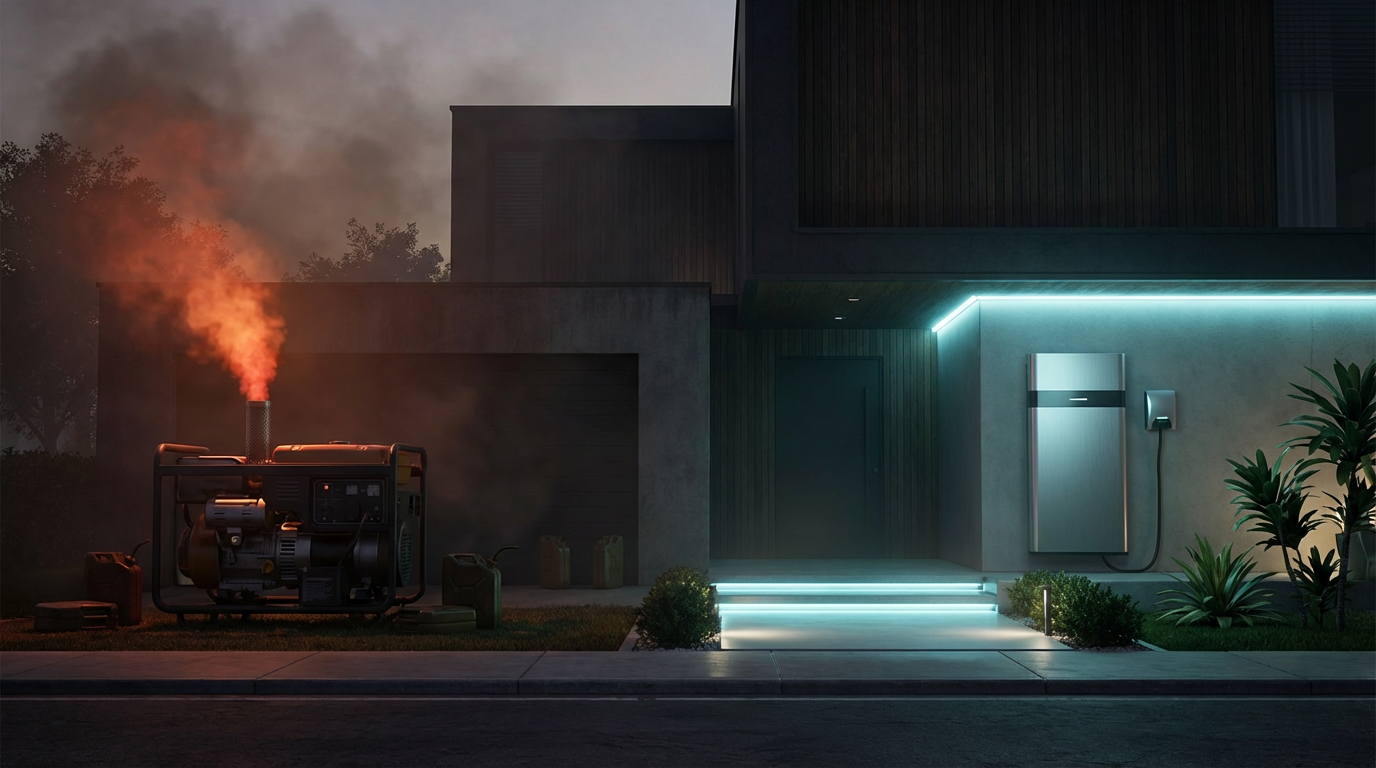
The scene is familiar: the lights go out, you fire up the generator, and within minutes the yard sounds like a lawnmower parked outside the bedroom window while exhaust drifts through open windows and neighbors start side‑eyeing your driveway. After working with homeowners who swapped that racket for silent battery banks, the pattern is clear: they sleep, their food stays cold, and the only hum left is from the fridge. This guide walks you through how loud is “too loud,” how to turn your generator runtime into battery capacity, and exactly when you can retire the generator versus when a hybrid setup makes more sense.
Why Your Generator Noise Is More Than Just Annoying
Most portable and home backup generators land somewhere between the sound of normal conversation and a loud vacuum cleaner when they are working under load, which is why camping and residential “quiet” standards aim for around 50–60 decibels at a set distance. Quiet home generators are often defined as operating below about 60 decibels, with ultra‑quiet battery systems under 50 decibels to stay comfortable for you and your neighbors. That benchmark is echoed in quiet‑focused product lines that keep their noise figures below this range for 24/7 use in backyards and garages quiet home generator is typically defined as operating below about 60 dB. Because the decibel scale is logarithmic, each extra 10 decibels represents about ten times the sound intensity and is perceived as roughly twice as loud, which is why a “small” jump from 60 to 70 decibels can feel like a huge quality‑of‑life hit during a long outage.
Off‑grid cabin owners talk about that constant generator rumble drowning out wind, birds, and conversation; a typical portable unit in the 60–90 decibel range can turn a quiet forest into something that sounds more like a yard full of lawn equipment. By contrast, a solar‑plus‑battery system is inherently quiet, since panels and batteries are silent and a modern inverter usually makes only a faint 25–45 decibel hum that disappears when you tuck it into a utility closet or shed, giving you near‑silent, low‑maintenance energy independence instead of a permanent mechanical soundtrack solar power systems are inherently quiet: solar panels.
There is also the endurance factor. Emergency planners remind residents that outages are not always a one‑evening inconvenience; storms, grid failures, and heat‑related incidents can leave neighborhoods without power for many hours or even several days, which means any backup source you rely on will run long enough for its noise, fumes, and maintenance demands to matter a lot more than they do during a short blackout. A system that is simply “tolerable” for an hour can become unbearable by day three.
The Core Question: What Are You Really Trying To Power Quietly?
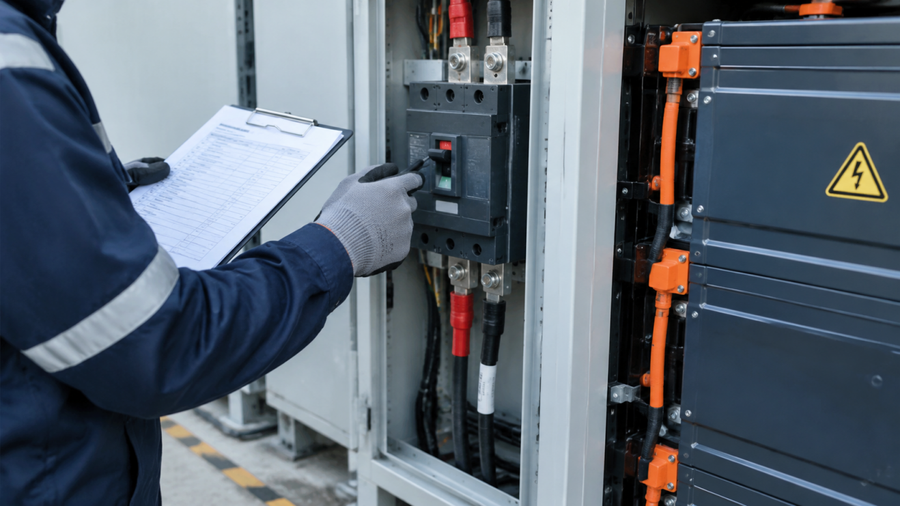
Before you can nail down battery count, you need to decide whether you are trying to silence the whole house or only the circuits that keep everyone safe and reasonably comfortable. Most homes do not need full‑panel backup; instead, they run what are often called critical loads—refrigerators and freezers, some lighting, communications gear, and any essential medical or safety equipment. High‑demand appliances like electric water heaters, central air conditioning, and electric dryers, often drawing 3,000–5,000 watts each, usually stay off the backup system entirely.
In a typical house, those critical loads add up to about 3–8 kW when several things are running at once, but the average power over a day is much lower. A full‑size fridge may have a nameplate around 400–800 watts, yet actually draw closer to 150–200 watts on average, while a half‑horsepower sump pump might be in the 400–600 watt range and a furnace blower around 400–500 watts when running. The real key is not the label but what your devices consume in real life. Accurate load assessment should use a power meter on real usage instead of nameplate ratings; for example, a 20 cu ft fridge rated at 800 watts often runs at only 150–200 watts, a 1/2 horsepower sump pump at 400–600 watts, and a furnace blower at 400–500 watts. Plug‑in power meters and whole‑home monitors make this easy and are worth the small effort, because every extra phantom load you allow into the “critical” panel translates directly into more batteries.
Imagine a common scenario where you keep one efficient refrigerator running around 200 watts on average, about 200 watts of mixed LED lighting in the evening, and roughly 100 watts for a Wi‑Fi router and charging cell phones and laptops. That stack comes out to around 500 watts continuous during waking hours and somewhat less while you sleep, which is a good ballpark for a “just the essentials” household.
Turning Generator Runtime Into Battery kWh
Battery sizing has two parts: how much power you need at any instant, measured in kilowatts, and how long you need that power to last, measured in kilowatt‑hours. For most homes, the inverter that connects the battery bank to your panel needs to handle about 3 kW of continuous power, with the ability to ride through surges around twice that when a pump or fridge compressor kicks on, so many practical systems use a 5–6 kW inverter to comfortably cover critical circuits. That inverter rating is the “muscle” side; the batteries underneath determine how long that muscle can flex.
If your critical loads draw 3 kW continuously and you want eight hours of backup, you need about 24 kWh of stored energy for a single day without refueling or sunshine. Many homes start with modular 10–15 kWh batteries, which typically provide roughly 12–24 hours of essential‑load runtime and leave room for future capacity expansion. On the other hand, if your measured critical loads average closer to 500 watts, that same 24 kWh would theoretically run them for about two full days, which is why careful load trimming often matters more than simply piling on extra batteries.
A practical way to think about it is in daily chunks. Take the average wattage of your essentials, multiply by the hours you want to cover, and that tells you how many kilowatt‑hours you need. If your essentials sit around 500 watts and you want one full day of autonomy, you are looking at about 12 kWh.

If you want to ride through a weekend‑long outage without gas or solar, double or triple that, and you get a very direct answer to how many kilowatt‑hours of batteries it takes to silence the generator for as long as you care about.
Matching the Math to Real Battery Systems
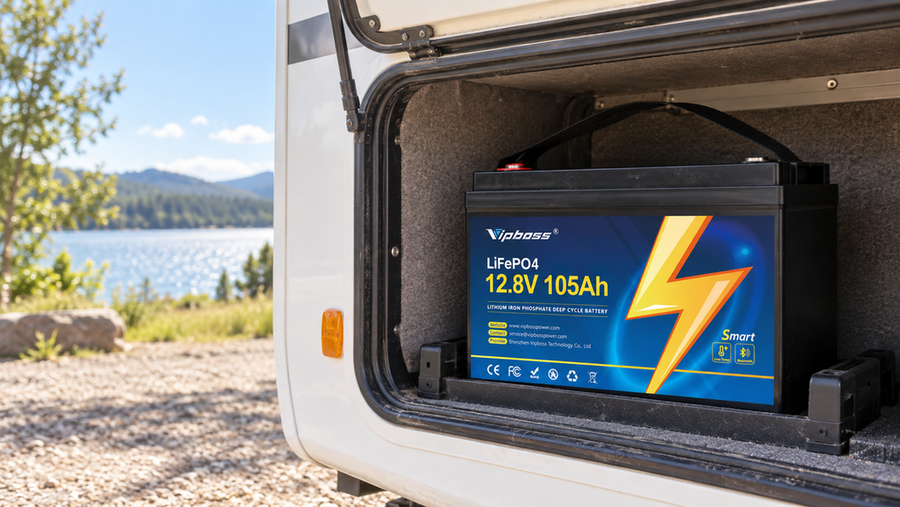
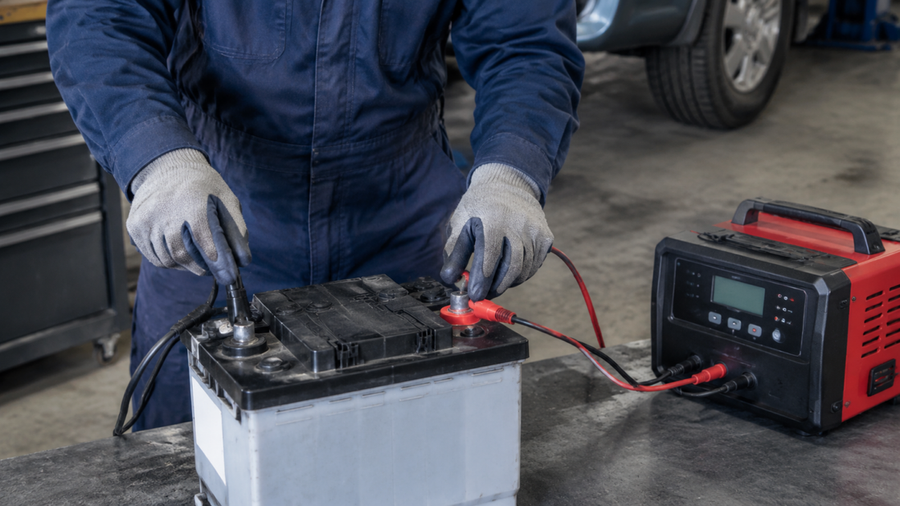
Once you know your target energy and power, it is time to translate those numbers into actual batteries on the wall or floor. Modern battery‑based generators and home storage systems almost all use either sealed lead‑acid batteries or lithium‑ion, with lithium iron phosphate chemistry becoming the go‑to choice for stationary and medical backup because it can safely deliver a high percentage of its rated capacity, has long cycle life, and avoids the off‑gassing and maintenance of flooded lead‑acid designs the main battery chemistries used in modern battery. Lead‑acid may cost less up front but is heavy, bulky, and typically used at only about half of its nameplate capacity to preserve life, whereas lithium iron phosphate packs deliver higher usable energy per pound and commonly support thousands of deep cycles, which is why many quiet home systems rely on them.
Several quiet‑first home backup solutions show how this plays out. One example pairs a 9,000 watt inverter with modular 4,960 Wh battery packs that can be expanded to around 9.9–19.8 kWh, using lithium iron phosphate cells and weather‑resistant enclosures that stay under about 50 decibels while powering a typical home’s critical loads. Another modular system uses 3,072 Wh lithium iron phosphate blocks stacked to roughly 12.3–18.4 kWh around a 3,000–5,000 watt inverter, again keeping noise levels under about 50 decibels so the battery bank can live near occupied spaces without bothering anyone.
Portable power stations follow the same pattern on a smaller scale. High‑end portable units built around lithium iron phosphate cells offer a few kilowatt‑hours each, quiet operation well under typical generator noise, and flexible charging from solar, grid, or even a small fuel generator when needed, making them a strong fit for modest household critical loads, RVs, and apartments that cannot host a large wall‑mounted battery portable power stations (battery-based units) are recommended instead. Many of these systems use lithium iron phosphate chemistry rated for roughly 3,500 or more cycles to 80% capacity, translating into well over a decade of typical use, which helps offset their higher upfront cost compared to simple generator‑and‑gasoline combinations.
So How Many Batteries Is That, Really?
Now the fun part: turning the abstract kilowatt‑hours into actual “how many boxes” on the wall or floor. If your critical loads average around 500 watts and you want one full day of quiet backup, the earlier math says you need about 12 kWh. That can be covered by a single 10–15 kWh home battery, a configuration that typically provides roughly 12–24 hours of essential runtime with room for expansion. In practice, many homes start with one pack and add a second if budget and load profile justify it.
If instead you want to build your system around roughly 3 kWh modules like the 3,072 Wh blocks used in several quiet lithium iron phosphate systems, that same 12 kWh target translates into about four battery modules. For a more demanding 24 kWh per day goal, you are looking at two 10–15 kWh wall batteries or roughly eight 3 kWh modules. In other words, moving from one‑day to multi‑day generator‑free autonomy does not just mean “a few more batteries”; it can double or triple your storage count, which is exactly why hybrid designs are so common.
A simple rule of thumb emerges from these examples. If your measured critical loads sit under about 5–8 kW and you want silent coverage for typical 4–24 hour outages, a single 10–15 kWh lithium iron phosphate battery or a stack of three to five portable packs is usually enough to retire the generator for day‑to‑day needs. When you start talking about multi‑day outages without solar recharging or whole‑house loads above roughly 10 kW, the battery count quickly climbs into territory where a fuel generator backing up a smaller battery bank starts to look smarter.
Silent Batteries vs Noisy Generator: Pros and Cons That Matter
On the battery side, the advantages line up cleanly with your goal of ditching the roar. Batteries and inverters operate virtually silently, can be installed indoors, and produce no exhaust fumes, making them ideal for tight urban lots, cabins, and noise‑sensitive neighborhoods where gas generators are restricted or frowned upon. A solar‑plus‑battery system offers near‑silent, low‑maintenance energy. Lithium iron phosphate packs in particular deliver long service life in the range of thousands of cycles, effectively stretching their cost over 10–20 years of regular outages, and they integrate cleanly with rooftop solar so you can recharge quietly instead of hauling fuel.
Generators, by contrast, shine on the “endurance” axis. A properly sized 4–7 kW generator can run as long as you can feed it fuel, which is why generators remain recommended for long or frequent multi‑day outages, very large backup needs above about 10 kW, homes without solar, and situations where continuous power is non‑negotiable for medical or business reasons. They also win on upfront price; a 5 kW generator with an automatic transfer switch generally costs far less to install than a 5 kW inverter with around 15 kWh of lithium storage, even though fuel and maintenance costs gradually narrow that gap over a decade of use.
Noise and quality of life are where generators clearly lose. Even “quiet” models can run around 60–75 decibels at a typical rating distance, and your actual experience will depend heavily on how close the unit is to walls, windows, and neighbors. Generator manufacturers and noise‑focused guides emphasize that picking low‑noise models, sizing them correctly, and operating them at moderate loads helps, but if you fundamentally dislike the idea of a gas engine running outside your bedroom at 3:00 AM, there is no way to make that sound as peaceful as a battery bank noise level is only one consideration; the generator.
When You Can Ditch the Generator, and When To Go Hybrid
If your outages are usually short, your critical loads are modest, and you value silence and low maintenance, you are an excellent candidate for a battery‑only system sized in the 10–30 kWh range. That kind of storage, built around a 5–6 kW inverter and lithium iron phosphate packs, will handle refrigeration, lights, communications, and a few outlets for most 4–24 hour events, especially if you have solar to recharge during the day. It does so without noise, exhaust, or regular oil changes, which makes batteries particularly attractive for homes with solar, urban or noise‑sensitive locations, and owners who prioritize convenience, clean operation, and long‑term operating cost stability over lower upfront cost. In that scenario, your loud generator becomes optional equipment you may eventually sell or mothball.
If you live where multi‑day outages are common, your home has large electric heating or cooling loads, or you run critical medical or business equipment around the clock, a hybrid approach is usually the smartest move. A small but capable battery bank covers frequent short outages silently and bridges the gap when power flickers, while a right‑sized generator steps in only for rare long‑duration events, topping up the batteries during daylight hours and shutting down at night to keep peace with neighbors and city noise ordinances. This design gives you most of the lifestyle benefits of batteries while still providing effectively unlimited runtime when the grid stays down longer than your battery bank was built for.
The final decision is simple in concept: measure your real critical loads, decide how many days of silence you want, translate that into kilowatt‑hours, and then choose whether that battery count feels reasonable on your roof, wall, and budget. When the math says you can cover your realistic needs with one or two modular lithium iron phosphate batteries or a small stack of portable power stations, you are in the sweet spot for retiring the generator’s roar and upgrading to quiet, instant backup that just works when the lights go out.