
If you’re grid-tied and money is tight, buy solar panels first, then add batteries once your bill drops and cash flow improves. Choose batteries first—or a combined install—only if outages, weak grid service, or off-grid goals matter more than cutting your monthly bill.
How to Decide in 30 Seconds
Start with your pain point: is it your power bill or your power reliability?
If your main goal is to spend less every month, panels almost always beat batteries on payback. If you’re already losing food, work hours, or rental income to blackouts, backup power jumps to the front of the line.
Use this quick filter to narrow your choice. If your bill hurts more than outages, go solar first. If you deal with frequent or long outages, prioritize a battery with a small solar array or both at once. If you have a weekend cabin or off-grid property, plan for batteries and a critical-load solar setup together. If you already know you want full solar-plus-storage soon, design for both now and install as much as your budget allows today.

Exact savings and payback depend heavily on your local utility rates, roof, and incentives, so treat online calculators as general guidance, not a guarantee.
Why Solar First Usually Wins
Currently, a 30% federal clean energy credit covers both solar panels and qualifying battery storage installed on your home, and you can claim it again in any tax year you add new eligible equipment. That immediately takes a big bite out of the upfront price if you have enough tax liability.
Panels attack the biggest ongoing cost: your electric bill. A typical residential system priced around the national average per watt can offset much of a 250 monthly bill, often bringing the loan payment close to—or below—your old utility bill when you use zero-down solar financing. As you pay off the system, more of those dollars stay in your pocket instead of going to the utility.
Professionally designed systems also tend to deliver decades of bill savings by using higher-efficiency equipment and optimized layouts, which is hard to match with piecemeal DIY upgrades. That makes panels the workhorse for long-term return on investment.

On a tight budget, leading with panels lets you lock in the big, compounding savings first, then use that freed-up cash flow to help pay for storage later.
When Batteries First—or Both Together—Make Sense
Batteries move to the top of the list when downtime is more expensive than your power bill. If you run a home office, refrigeration-heavy business, depend on medical devices, or have frequent storms and grid failures, the cost of a few bad outages can easily rival a year of bill savings.
If you already have a good solar array, adding a battery can transform it from “bill cutter” to “backup power plant.” Keep in mind, though, that retrofitting storage usually costs more than installing it with new solar because electricians have to rework existing wiring and may need extra equipment.
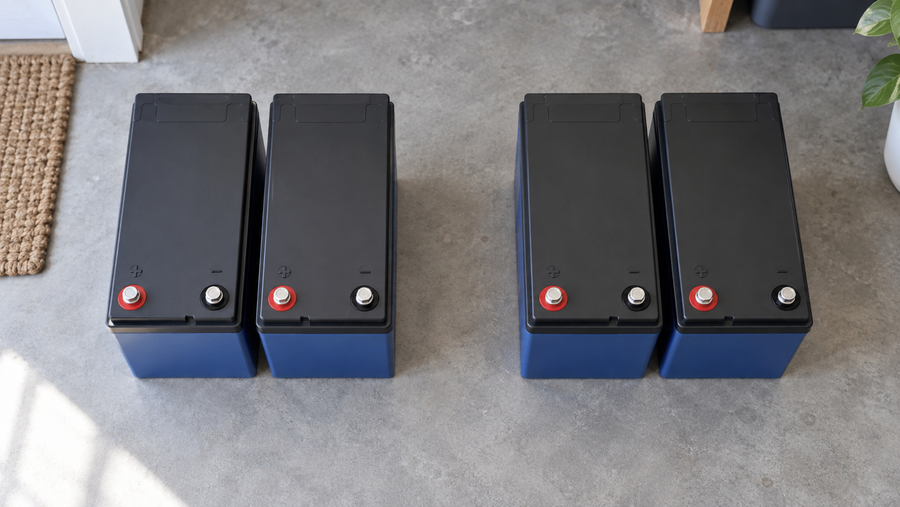
For homeowners targeting whole-home backup, products like Tesla Powerwall are designed for solar-plus-storage from day one, and installers can size both pieces together. Out in truly off-grid settings, you rarely have the luxury of “panels now, batteries later”—you design an integrated battery bank and right-sized solar at the same time so the lights stay on every night.
A Practical Phased Upgrade Roadmap
If you know you want both but can’t afford everything at once, treat this like a staged construction project, not random add-ons.
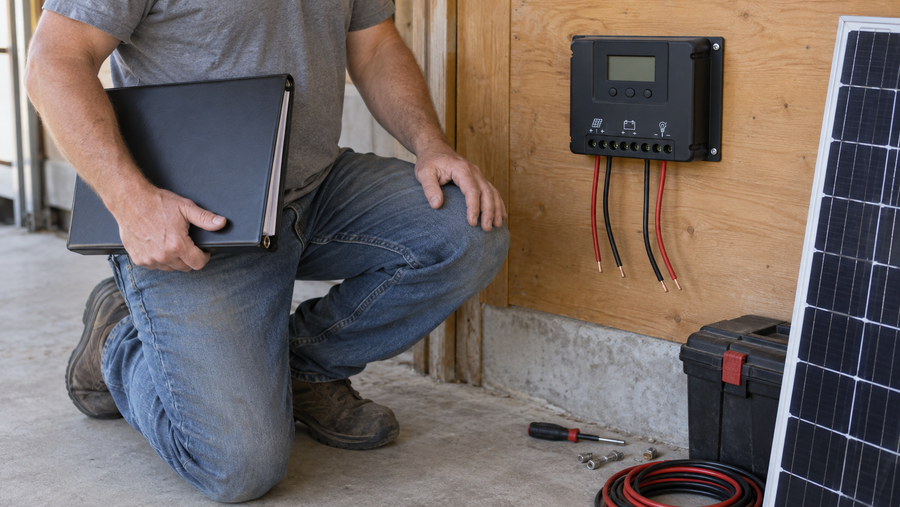
Phase 1: Install solar designed for future storage. Have your installer oversize the conduit and include a critical-loads subpanel and battery-ready wiring even if you don’t buy the battery yet. This adds a modest cost now but avoids expensive rework later.
Phase 2: Use financing to keep cash in your pocket. Many lenders and co-ops offer zero-down options, and some even structure two-part solar loans that float your expected 30% tax credit for the first year so you don’t have to front that portion in cash.
Phase 3: Add the battery when your budget and incentives line up—ideally before the full 30% federal rate starts to phase down. Because your home is already wired for storage, the electrician’s job is simpler and cheaper.
This approach lets you act now, harvest real savings quickly, and still end up with a robust solar-plus-battery system without stretching your budget to the breaking point.