
Summary: Yes—paired with a properly sized lithium battery, a few modern electric blankets can keep your family warm through a Christmas Eve furnace failure, as long as you manage safety and power use carefully.
When the Heat Goes Out
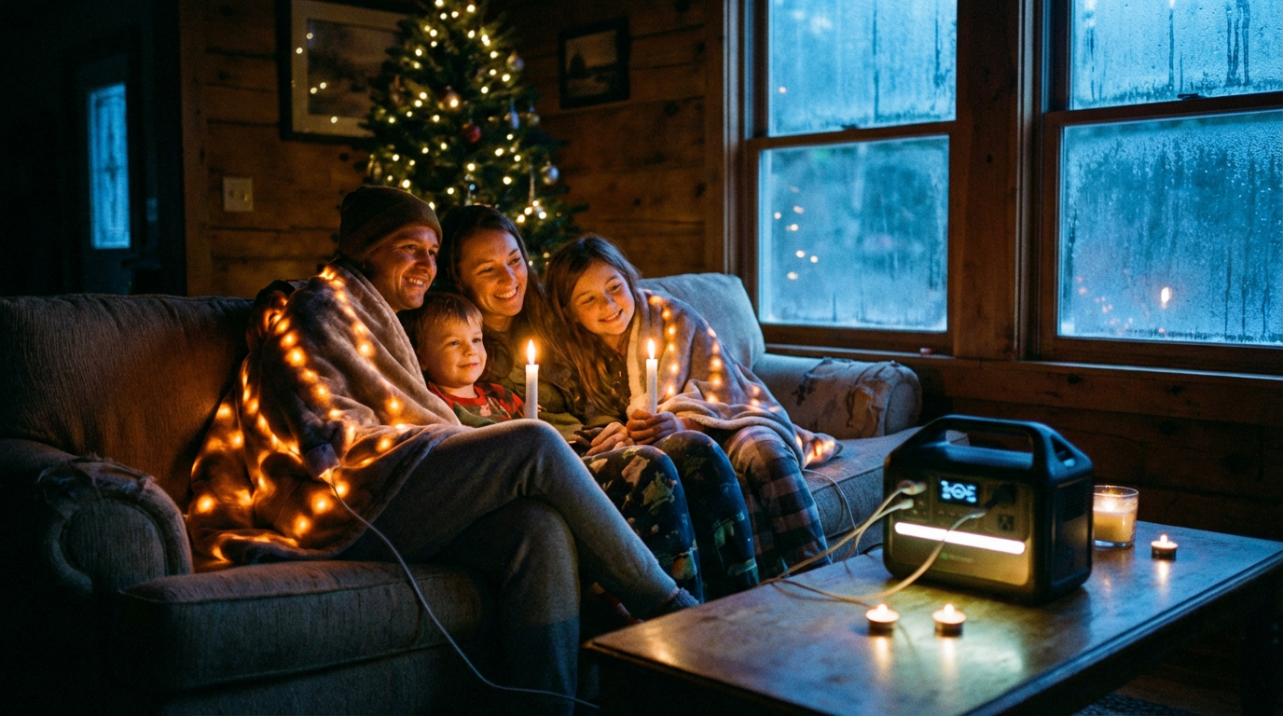
When the furnace dies in a winter outage, room temperatures can drop below comfortable levels in a couple of hours.
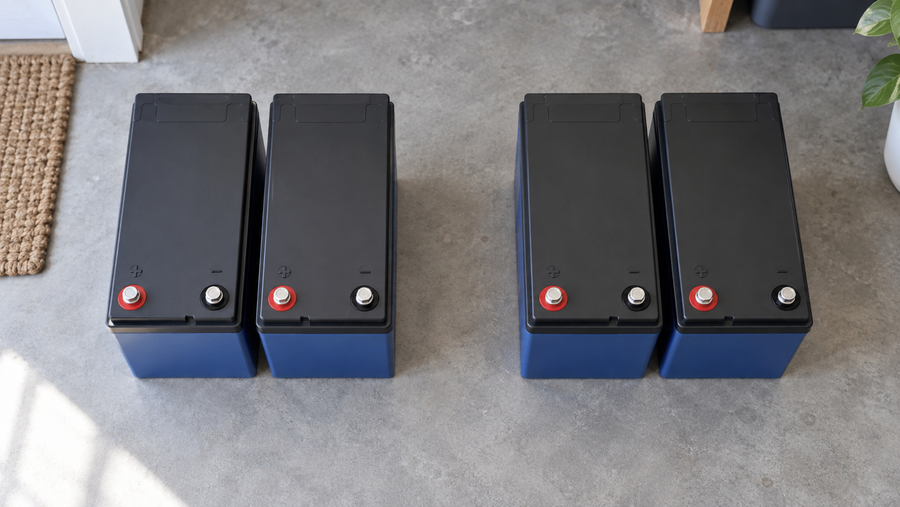
Modern electric blankets are safer than early models and use far less power than a space heater, which makes them well suited to portable lithium power stations and home battery banks.
Why Battery-Powered Electric Blankets Work in Outages
Most heated throws draw around 60–100 watts on higher settings; full-bed blankets often sit in the 100–200 watt range.
Because they warm bodies directly instead of wasting energy on the entire room, they deliver more comfort per watt than running a 1,500-watt space heater or trying to revive central heat. That is why electric blankets are often promoted as an energy-saving alternative to whole-home heating in analyses of electric blankets and energy bills.
Modern blankets typically add auto shutoff and overheat protection, and tests of top models show they can warm up in minutes and run on modest power. That makes them ideal loads for portable batteries, solar generators, and RV systems.

Nuance: Different manufacturers disagree about all-night use, so in an emergency favor pre-warming and the lowest settings that keep everyone comfortable.
Can Your Battery Actually Run Them All Night?
Here is where the runtime math matters.
In a typical scenario, you might have a 2,000 watt-hour (about 2 kWh) lithium power station and four 70-watt throws for the family. If you run all four on a medium setting averaging about 50 watts each, that is roughly 200 watts total, giving you around 8–9 hours of runtime once you account for inverter losses.
Manufacturers of large solar generators report that a 100-watt blanket can run roughly 17 hours on a 2 kWh unit and more than 25 hours on a 3 kWh unit. In real homes, Christmas Eve usually looks more like cycling:
- Pre-warm beds and the main refuge room on medium for 30–60 minutes.
- Drop blankets to low once everyone is under layers and wearing hats and socks.
- Shut off one or two blankets if kids fall asleep bundled together.
- Reserve 20-30% of battery capacity for lights, a router, and any critical medical gear.

If your home battery or power station is smaller (around 1,000 watt-hours), prioritize kids, elderly relatives, and anyone with medical issues first, then rotate blanket use in shifts.
Safety Rules Do Not Take the Night Off
In a cold, stressful outage, safety shortcuts are tempting, but electric blankets can be involved in numerous home fires each year, especially when old or damaged.
Quick safety checklist before you plug into your battery:
- Use newer, UL- or ETL-listed blankets; retire anything around 10 years old or visibly worn or scorched.
- Keep blankets flat, without bunching or tight tucking, and avoid heavy comforters or pets piled on top.
- Plug blankets directly into the battery or wall outlet, not power strips or extension cords.
- Use them to pre-warm beds, then switch to low or turn off once everyone is settled.
- Skip use for infants, people who cannot sense heat well (for example, some diabetics), or anyone who cannot remove the blanket independently.
If you smell burning, see discoloration, or feel hot spots, unplug immediately and do not use that blanket again.

Building Your Warm-People-Not-Air Plan
A battery-backed electric-blanket strategy works best as part of a whole-system plan: close off most rooms, move everyone into one insulated core space, layer up in wool or fleece, and then let the blankets handle the final comfort boost.
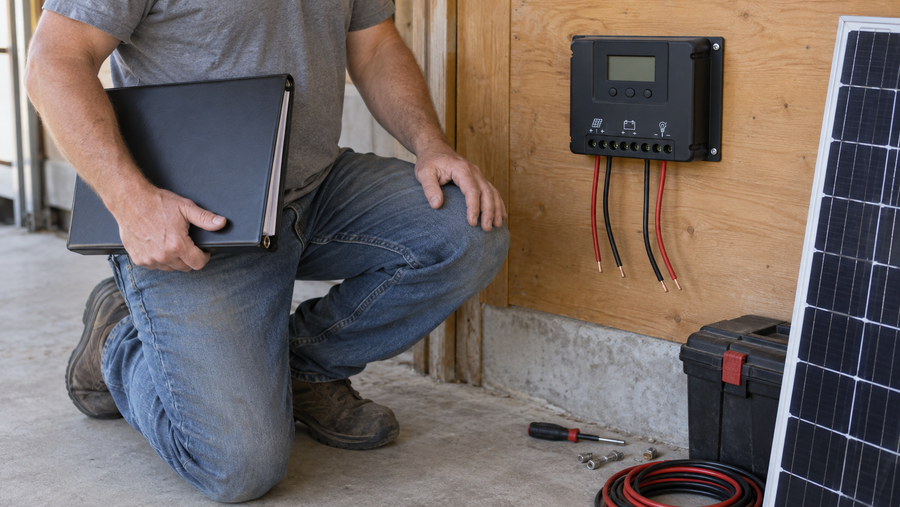
If you are upgrading your backup power this year, size your lithium storage not just for fridges and lights, but with a specific target in mind: how many blankets, at what wattage, for how many hours you want to keep everyone warm when the furnace quits.