
Use the slow, cold months to audit your power system, set clear goals, and map out a phased lithium and off-grid upgrade for next year.
Reframe Winter as Your Planning Season
When temperatures drop and loads spike, your system shows exactly where it is weak. That makes winter an ideal time to step back, analyze performance, and decide what you want your power system to do differently next year.
Organizations that revisit and adapt strategy at least annually dramatically improve outcomes, and the same logic applies to your energy system. Treat your power plan as a living strategy, not a one-time purchase, so you can stay ahead of demand and technology shifts, as shown in research on how companies upgrade their strategy in four steps.
Over the years, I've seen the most successful off-grid owners treat January like a "power retreat": fewer rushed purchases, more clear decisions about resilience, comfort, and long-term operating cost.
Use this downtime to write three sharp goals for 2025, such as cutting generator run time by 50%, riding through a 24-hour outage without anxiety, and adding capacity for an EV or new workshop tools.

Audit Loads, Weak Links, and Safety Risks
Before you talk batteries and inverters, start where every serious upgrade starts: at the service panel and load profile. A structured electrical needs review at the main panel clarifies how much power your home or site can safely handle and whether a panel or service upgrade is the real bottleneck.
Quick checks to do in winter:
- Panel size and age: Is it 60–100 amps and decades old, or a modern 200-amp unit with room for new breakers?
- Symptoms: Frequent breaker trips, flickering lights, warm or buzzing panels, or heavy extension-cord use all point to overloaded or outdated circuits.
- Off-grid loads: List your big draws (well pump, mini-split, oven, shop tools, EV charger) and how many hours per day they run.
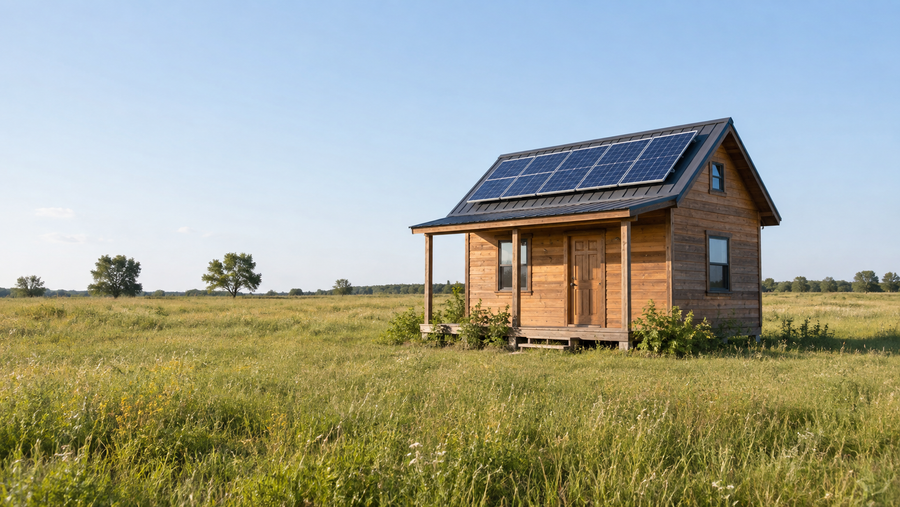
For a rough off-grid check, add up daily energy use. If your cabin consumes around 8 kWh per day and your lithium bank is 10 kWh usable, you have barely a day of autonomy. That may be fine in summer but risky in a multi-day winter storm.
Document all this in one place: panel rating, visible issues, daily kWh estimate, and your "problem list" (for example, "shop heater trips breaker when EV is charging").
Design a Phased Lithium and Off-Grid Roadmap
Now turn the audit into a phased upgrade roadmap instead of a one-shot, budget-blowing project. Large plants rely on careful scoping and phasing to avoid overruns, and the same disciplined thinking that improves construction and upgrade projects works well at residential and small-facility scale.
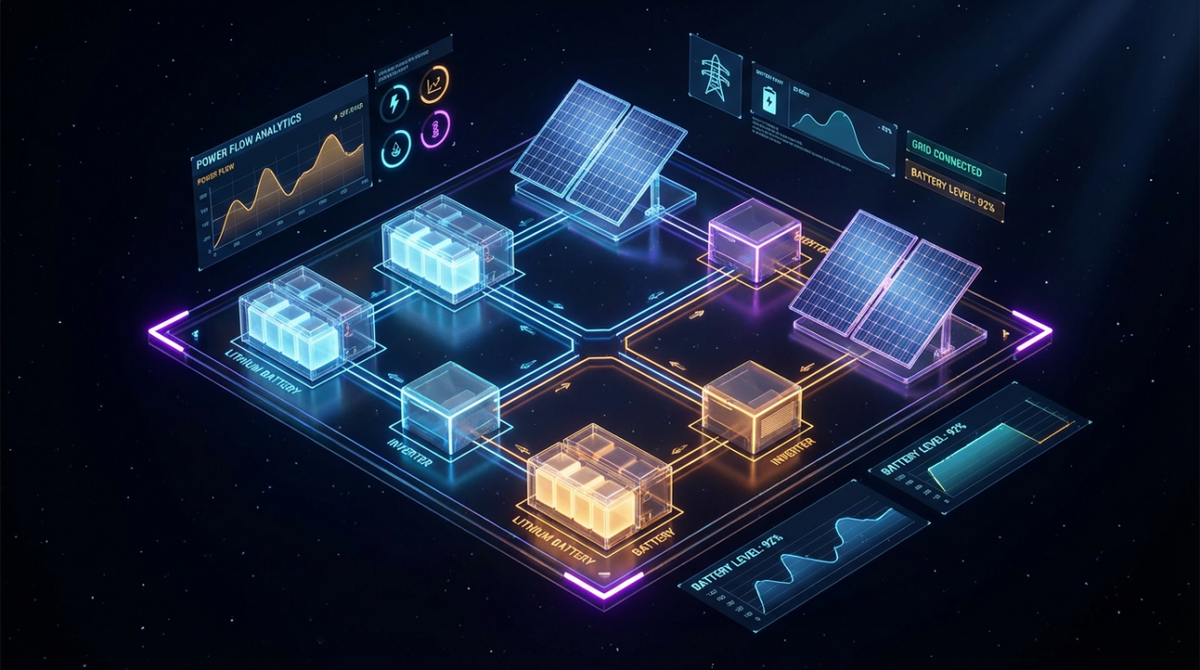
Think in simple modules. Start with data upgrades such as better charge profiles, smarter load control, and efficiency tweaks that squeeze more runtime from existing hardware. Then plan hardware modules—panel, inverter/charger, lithium storage, solar array, and backup generation or grid-tie—so each can be upgraded on its own schedule.
A simple, practical 3-phase roadmap:
- Phase 1 (Safety & Capacity): Replace undersized or obsolete panels, clean up wiring, and add dedicated circuits for big loads.
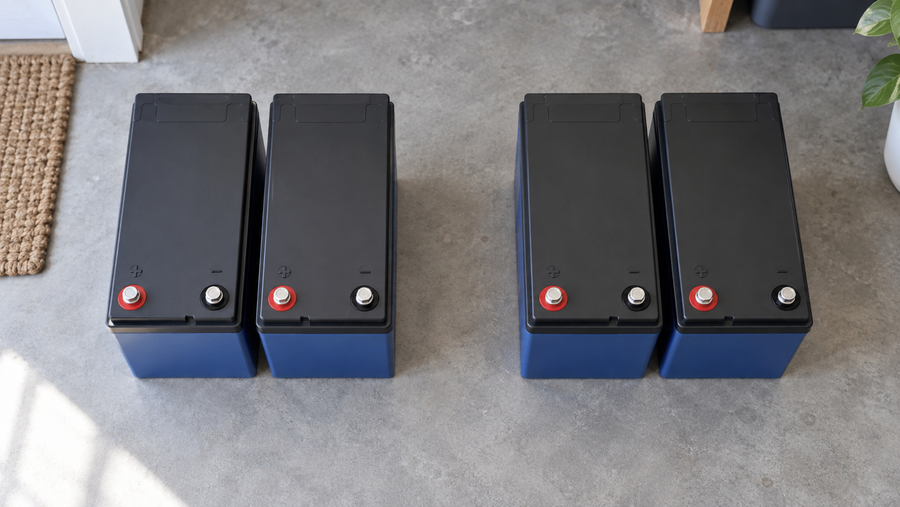
- Phase 2 (Core Power Module): Install or upgrade your hybrid inverter/charger and lithium bank, sized for your realistic daily kWh and outage goals.
- Phase 3 (Optimization): Add or expand solar, integrate smart load management, and fine-tune settings once you've seen a full season of real-world data.
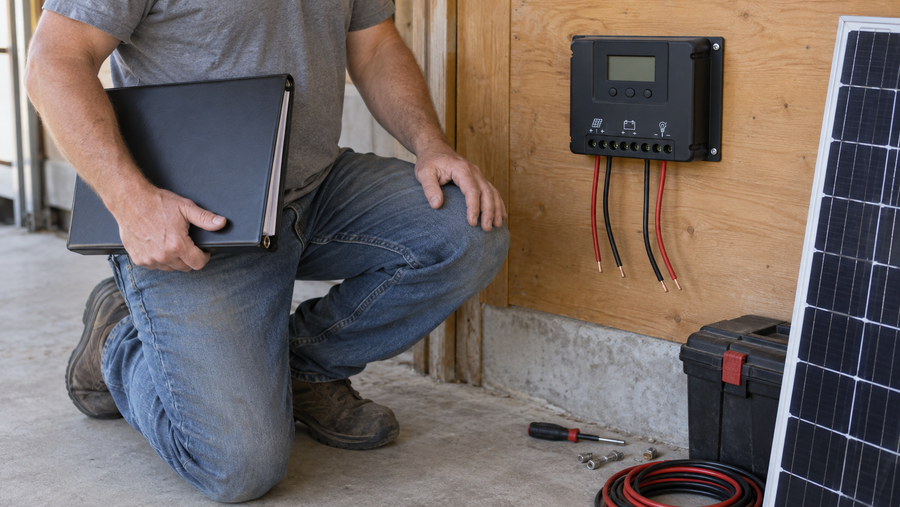
By phasing, you can tackle the highest-risk constraints first and spread cost over 12–24 months without losing sight of the end state. If the thought of opening a panel or running new circuits feels intimidating, a clear safety-first approach to first-time wiring can help overcome the fear and build confidence with real electrical work.

Turn the Resolution Into a Spring-Ready Project
A plan is only as good as the calendar and budget behind it. For many homes, panel upgrades often cost a few thousand dollars depending on amperage and scope, and that is before you consider major service upgrades or trenching, as highlighted in common guidance on electrical panel upgrades. Lithium storage and inverter hardware add another layer, so build a realistic range rather than a fantasy number.
Online cost ranges can swing from under $1,000.00 to well over $10,000.00 once service upgrades, code fixes, and smart controls are included, so local quotes matter more than national averages.
Use the rest of winter to move from idea to execution:
- January: Complete your audit, define phases, and sketch target sizes (amps, kWh, solar watts).
- February: Get bids from licensed electricians and solar/storage pros who understand off-grid and backup design.
- March: Lock in scope, order long-lead gear, and schedule work for late spring or early summer.
By treating your New Year's resolution as a serious power-upgrade strategy, not a vague wish, you will roll into next winter with a safer panel, smarter lithium storage, and an off-grid system that works as hard as you do.