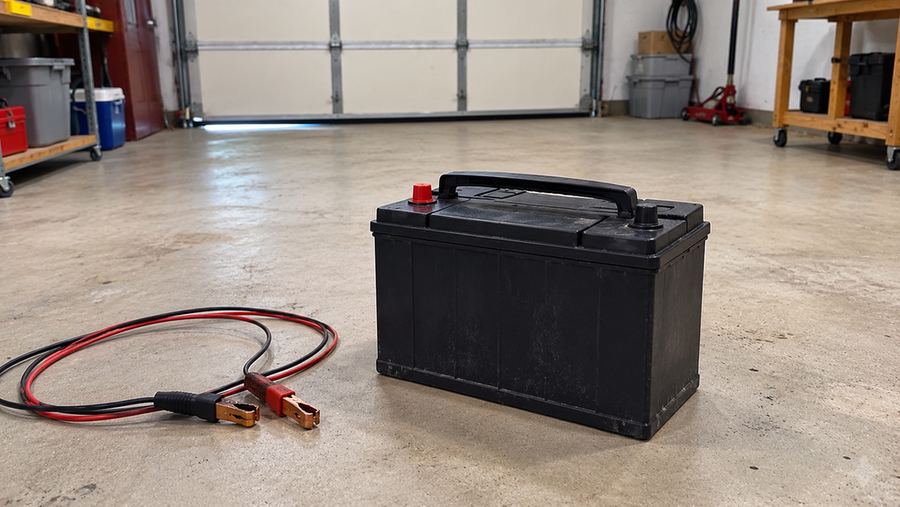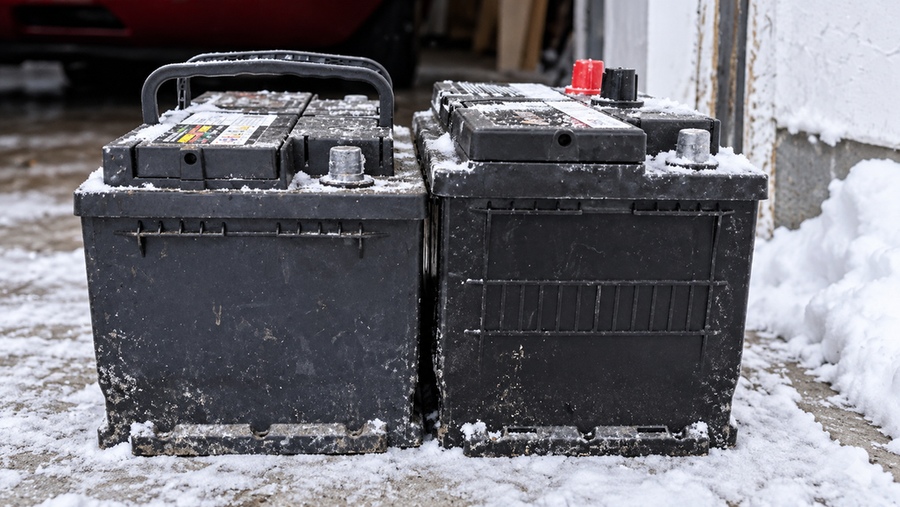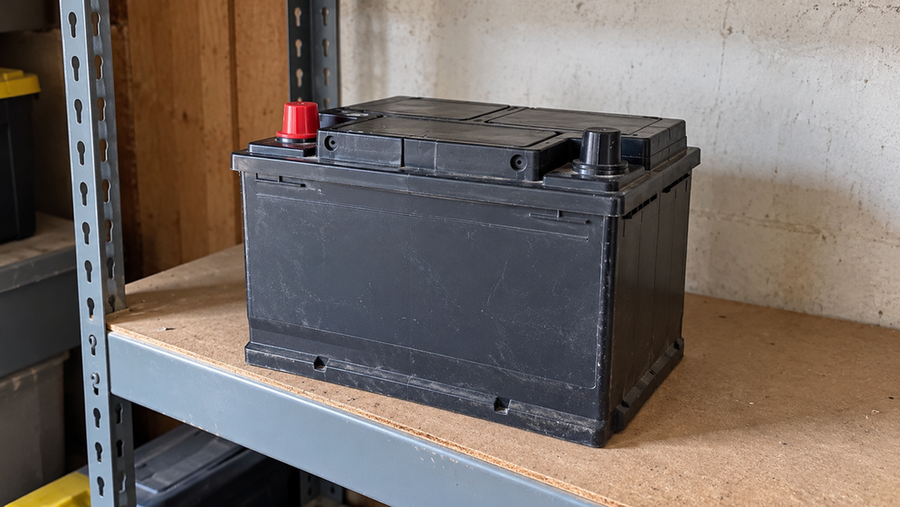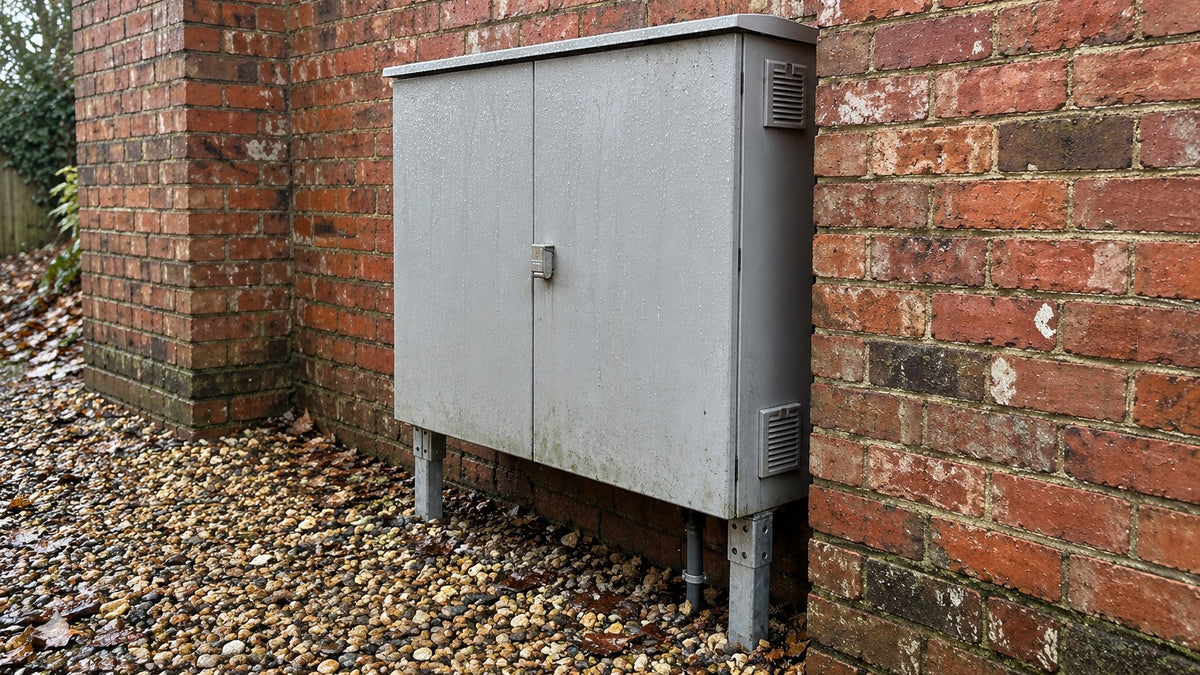

To choose added weather protection for an outdoor LiFePO4 battery, first match the enclosure’s rating to the site’s exposure, then measure the battery and allow for its terminals, cable route, and access. IP and NEMA labels use separate systems, so compare protection within the rating system shown rather than treating the labels as interchangeable. Direct spray or washdown, salt air, strong sun, or cold can change which rating, material, or placement is appropriate.
What the rating on the box actually means
IP and NEMA are different rating systems; IP65 and NEMA 3R are not equivalents or direct substitutes. For ordinary outdoor exposure, IP65 or NEMA 3R may be used as baseline options. If direct spray or washdown is expected, consider greater protection within the same system—for example, IP66 in the IP system or NEMA 4X in the NEMA system. These examples are not a conversion between labels.
Match the material to your site
Material is a separate choice from ingress rating. In harsher settings where impact resistance or grounding continuity matters, steel or aluminum may be preferable to budget ABS; ABS may be an option for a single-battery installation in a mild climate. If a site includes strong sun, salt air, or temperature extremes, choose an enclosure whose material is specified as suitable for that exposure rather than inferring performance from the material name alone.
Size the box around the battery, not the other way around
Measure the battery, including its terminals, and account for cable routing and enough room to make connections and reach them. Compare these needs with the enclosure’s clear interior dimensions rather than relying on a fixed clearance figure.
For a reference point, the Vipboss 12V 105Ah LiFePO4 battery measures 12.95 x 6.77 x 8.42 inches. Compare those dimensions with the enclosure’s clear interior space, then account for terminal clearance, cable routing, and access.
Cable entry, drainage, and ventilation

- Cable entry: Route cables through sealed glands or entries at the bottom or lower sides of the enclosure rather than through unsealed openings.
- Drainage: Use drainage provisions compatible with the enclosure’s stated protection. Do not drill holes in a rated enclosure unless the modification preserves that protection.
- Ventilation: Where the enclosure design calls for passive vents, downward-angled vents with mesh are a practical option.
Mount it high, level, and out of standing water
Mount the enclosure securely and level, clear of standing water, with the door accessible so you can reach terminals and connections. Use a support suitable for the combined weight of the enclosure and battery.
What changes in freezing climates
For a cold-weather installation, consider cold exposure alongside the enclosure rating and material. The Vipboss 12V 105Ah includes low-temperature charge protection.